Steering Committee

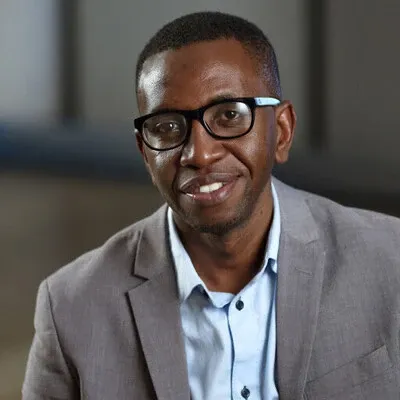
Engineer Bainomugisha
Makerere University, Uganda
Engineer Bainomugisha is a Professor and the Chair of Computer Science at Makerere University, Uganda. He leads AirQo (https://www.airqo.africa), an initiative focused on monitoring air quality across African cities and driving clean air actions and policies.
Engineer is a member of the World Economic Forum Global Future Council on Clean Air and also serves on the Advisory Council for the Africa Clean Air Network (https://cleanairafrica.org/).
He holds a PhD in Computer Science from Vrije Universiteit Brussel, Belgium.

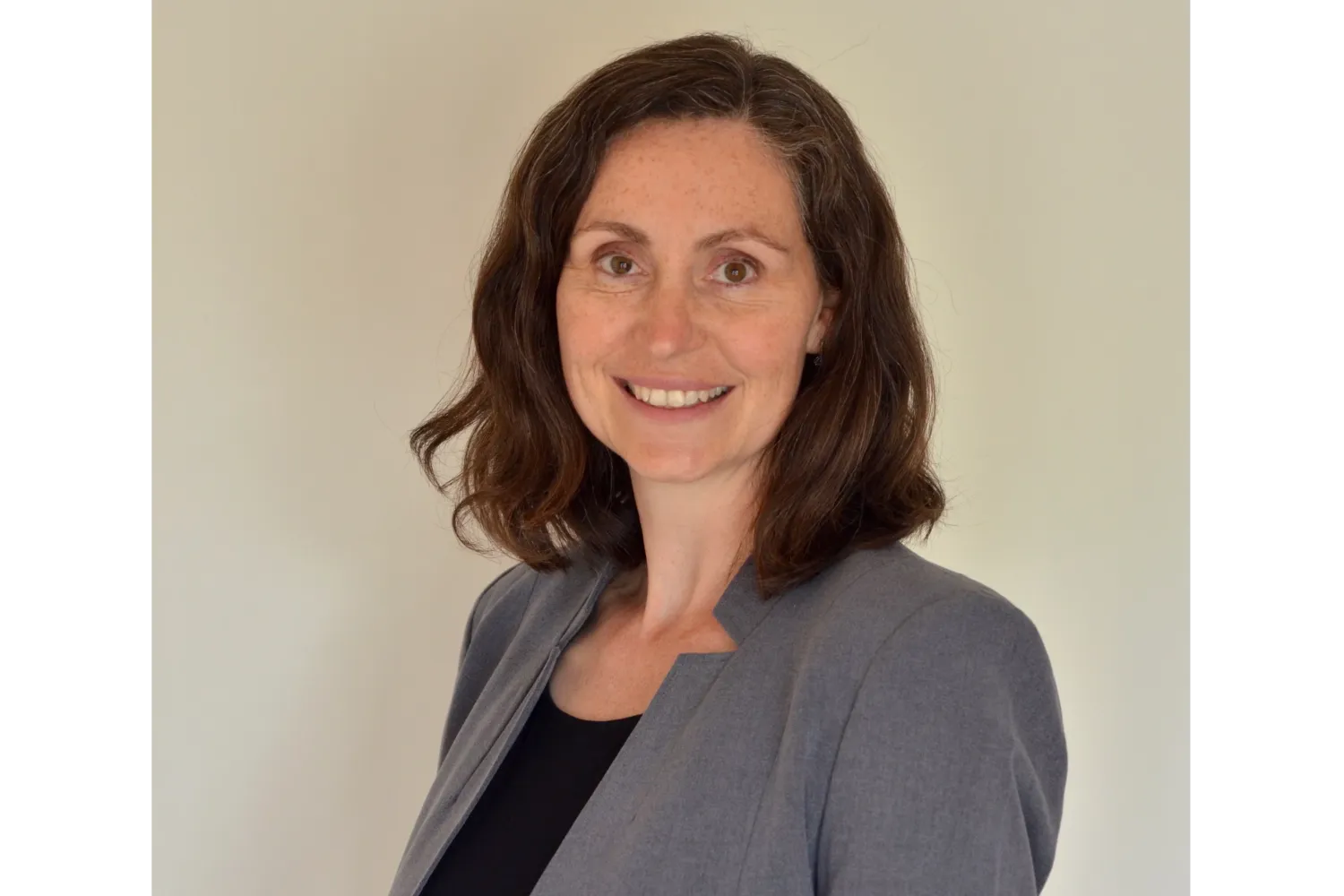
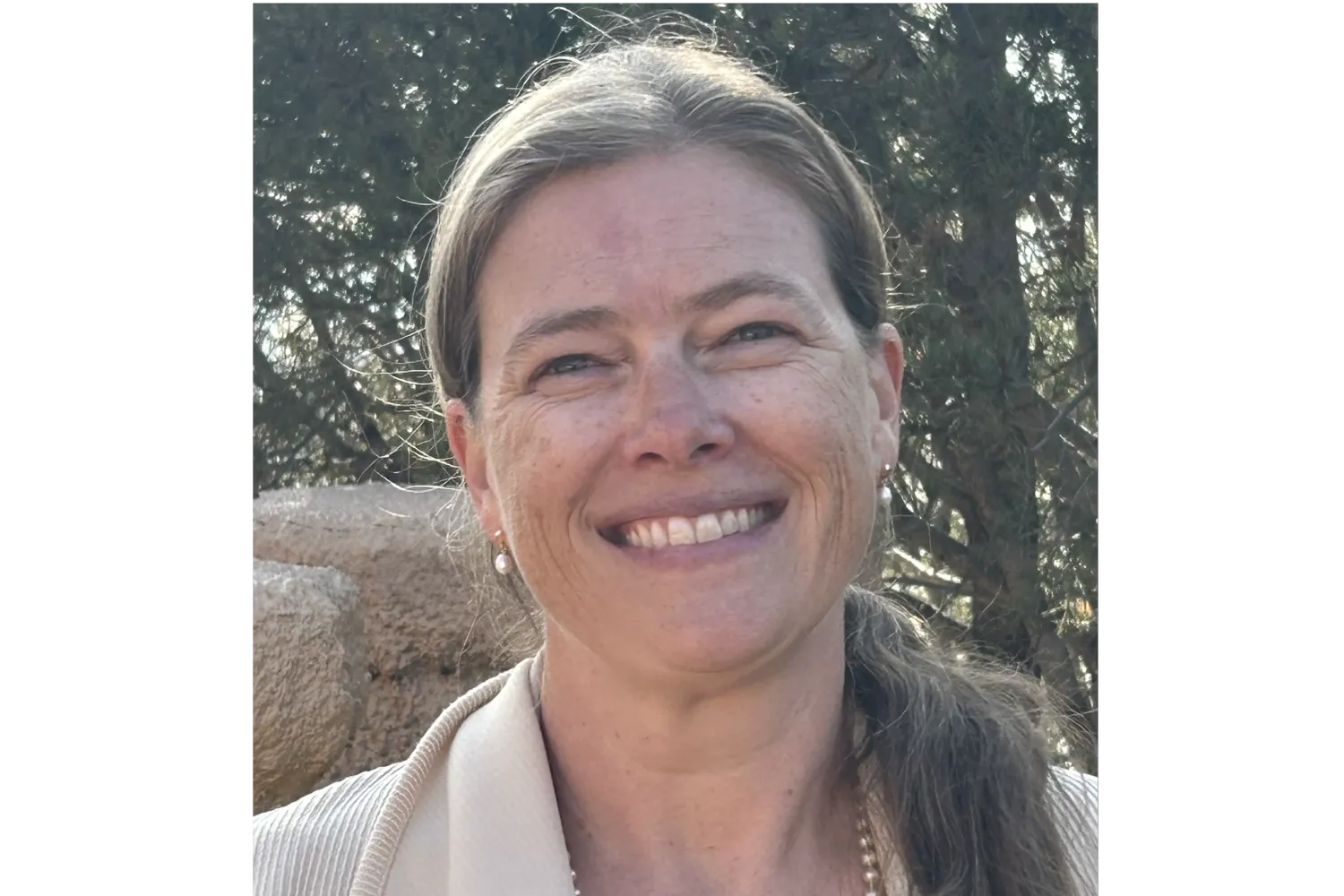
Zoë Chafe
C40
Zoë Chafe, PhD, MPH is Head of Air Quality and Health Technical Programmes at C40, where she leads C40’s Technical Working Groups on equity, low emission zones, and household fuel transitions; Air Quality Data & Analytics team; Clean Air Network; and Bloomberg Cities Idea Exchange air sensors project.
Zoë has contributed to the Intergovernmental Panel on Climate Change (IPCC) Fifth Assessment Report, the Global Energy Assessment, and World Health Organization reports on energy use’s air quality, health, and climate impacts.
Zoë holds a PhD (Energy and Resources) and MPH (Master of Public Health) from the University of California, Berkeley, as well as a bachelor’s degree in human biology from Stanford University. She is a recipient of the National Science Foundation Graduate Research Fellowship and Cornell University’s Atkinson Center Postdoctoral Fellowship.

Dr. Andrea Clements
Physical Scientist, U.S. EPA
Andrea L. Clements, Ph.D., is a research physical scientist with the U.S. Environmental Protection Agency’s Office of Research and Development, located in Research Triangle Park, North Carolina. Andrea leads efforts to evaluate sensor performance, test the usability of sensors for a variety of applications, summarize best practices, and develop resources that educate and guide others in the most effective use of sensors and the data they produce. She holds a Ph.D. in Civil and Environmental Engineering from Rice University in Houston, Texas, and has degrees in Environmental Science and Engineering (M.S., Caltech), Chemical Engineering (B.S., Washington University in St. Louis), and Mathematics (B.A., Cornell College).

Tim Dye
TD Environmental Services, LLC
Tim Dye has over 30 years of experience in air quality monitoring, data management, and public communication. A visionary and entrepreneur, he has created air quality applications that vividly communicate air quality conditions. Tim is respected as an independent voice in the air monitoring community. Tim works in many areas of air quality: 1) low-cost, air quality sensor evaluation and deployment, 2) air quality monitoring, 3) data management and analytics, and 4) community science applications. He is regularly sought out for his wide-ranging and strategic insights on air quality sensing by foundations, NGOs, government, industry, and companies worldwide.

Jessa Ellenburg
2B Technologies
Formerly a bridge engineer, Jessa Ellenburg found her true calling at 2B Technologies when she joined the company in 2009 to create education and outreach programs using 2B Tech's innovative air pollution monitors. She has worked with innumerable schools, students, and community groups from around the world to educate and expand involvement in air monitoring. During her nearly 17 years at 2B Tech Jessa has held various positions at and is currently serving as the General Manager. She holds a Bachelor of Science in Civil Engineering from the University of Colorado at Boulder.

Brandon Feenstra, Ph.D.
South Coast AQMD
Brandon Feenstra is the Quality Assurance Manager in the Monitoring & Analysis Division at South Coast AQMD. As the QA Manager, he manages both the QA Branch and the Air Quality Sensor Performance Evaluation Center (AQ-SPEC). Brandon has experience as a station operator, QA auditor, and experience in AQ-SPEC as an Instrument Specialist and Air Quality Specialist. His work included the field deployment aspect of AQ-SPEC evaluations, the development and deployment of air quality sensor networks, and the development of software tools to manage sensor data. Dr. Feenstra received his Doctor of Philosophy degree in Chemical and Environmental Engineering from the University of California, Riverside.

Walter Ham
California Air Resources Board
Walter Ham, Ph.D., is Chief of the Monitoring and Laboratory Division at the California Air Resources Board. He oversees statewide air monitoring operations to support regulatory compliance, public health protection, community air protection, emergency response, and climate policy. His programs support California’s ambitious air quality goals through rigorous data collection, quality assurance, scientific innovation, stakeholder engagement, and regulation development. He has a Ph.D. in Civil and Environmental Engineering from the University of California, Davis.

Michael Ogletree
Colorado Department of Public Health and Environment
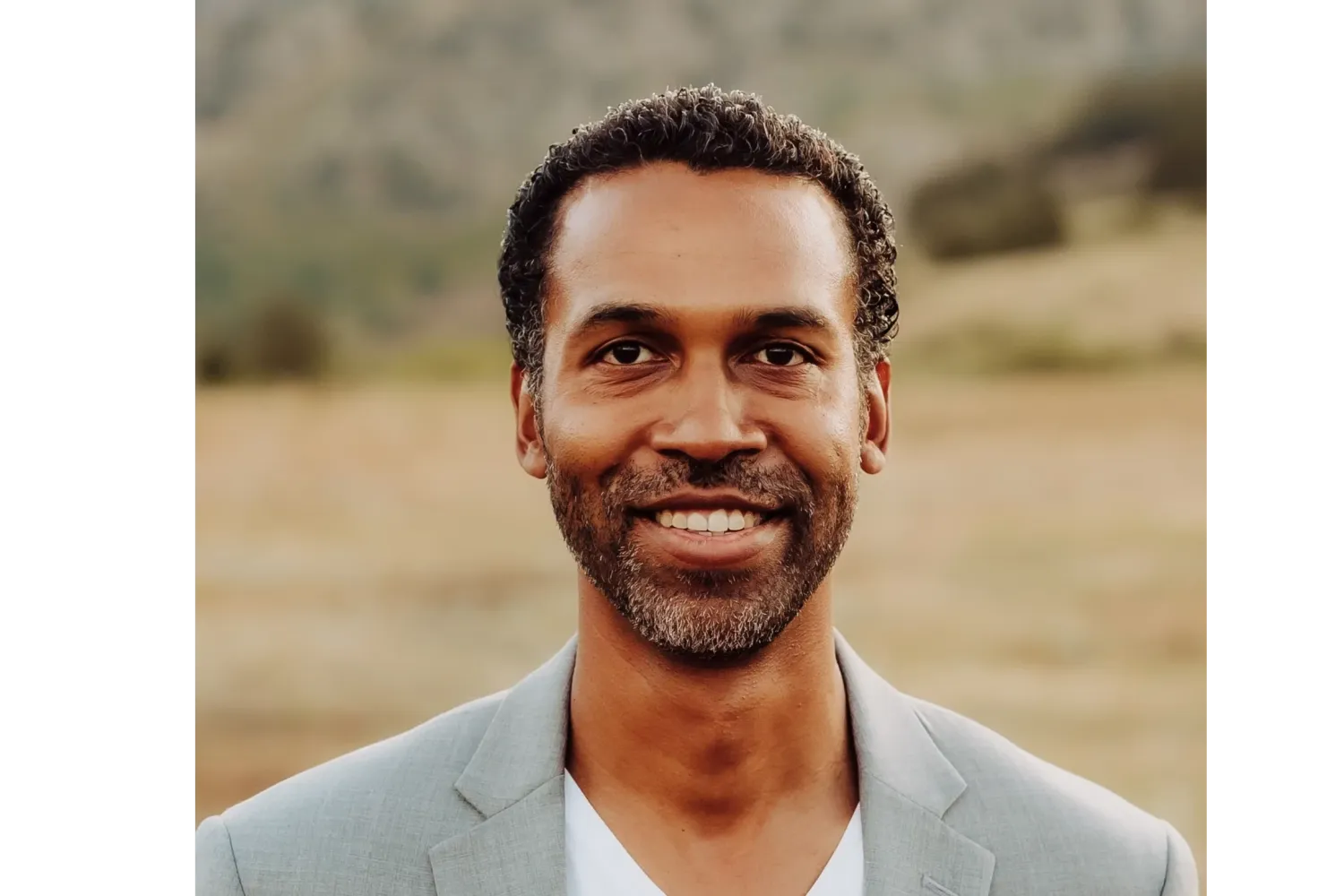
Michael Ogletree has led the Colorado Department of Public Health and Environment’s Air Pollution Control Division since November 2021. Ogletree oversees and contributes to programs that protect Colorado’s air quality with science-informed policies and programs that are responsive to community feedback. He has led the division through multiple major achievements, including enhancing the state’s air monitoring program with more permanent stations and mobile equipment, developing nation-leading standards to control air pollution emissions from key sectors such as manufacturing and oil and gas operations, and modernizing the division’s processes while making public information more easily accessible. Ogletree’s accomplishments led to him being named a national leader in climate policy in April 2024. Before he came to CDPHE, Ogletree previously served as air quality program manager for the City and County of Denver where he developed and implemented the city’s Love My Air program, was appointed by Governor Polis to serve as secretary of the Air Quality Control Commission for several years, served on the state’s Air Quality Enterprise Board, and worked in the private sector as a chemist and laboratory manager.

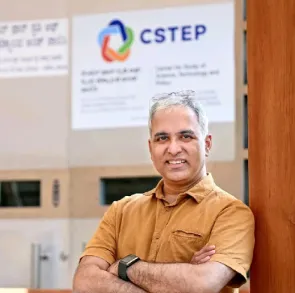
R (Subu) Subramanian
Center for Study of Science, Technology and Policy
I study the impact of energy-related emissions of particulate matter (PM) and gases on air quality and climate using traditional methods, cutting-edge tools, and innovative solutions.
I am now a Senior Scientist leading the new air sensors group at the Qatar Environment and Energy Research Institute (Qatar Foundation/HBKU). Our focus areas include air quality and climate-warming methane. I hope to hire a postdoctoral researcher soon - contact me if interested.
Over 2015-2018, I led a CMU team collaborating with SenSevere (a private company) on the development of the Real-time, Affordable, Multi-Pollutant (RAMP) monitor for hyperlocal and low-cost air quality monitoring. I also worked with local NGOs and city/township leaders on deployment and use of the RAMPs by local communities especially in environmental justice areas. This work was funded by the US EPA (I led a $750,000 STAR grant).
A significant new component of the low-cost air monitoring program is AfriqAir, a hybrid urban network of reference monitors and low-cost sensors in multiple cities across Africa. This work is partly funded by the French ANR through a MOPGA grant for the "Make Air Quality Great Again" project (2018-2022). African scientists/early career researchers wanting to get involved - feel free to contact me!
I have also studied soot emissions from combustion sources and measured methane and other pollutants emitted from oil & natural gas facilities.

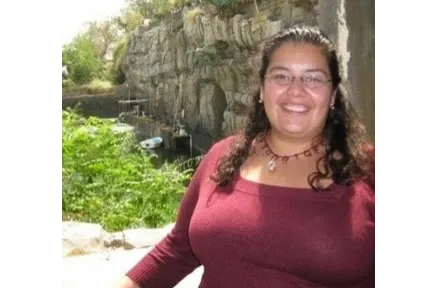
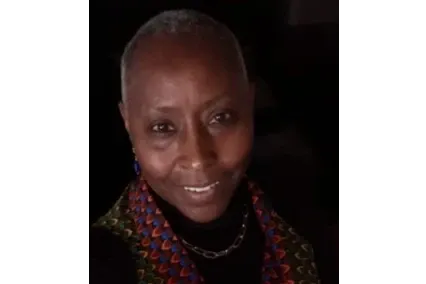
Gwendylon Smith
CHARRS
Gwendylon P. Smith is a passionate advocate for equity and Environmental Justice, dedicated to addressing systemic challenges faced by African American and marginalized communities. Based in Atlanta, Georgia, she serves as the Executive Director and Founder of Community Health Aligning Revitalization Resilience & Sustainability (CHARRS), where she employs a Social Determinants of Health lens to improve social, economic, educational, and health outcomes.
Gwendylon’s work encompasses a wide range of initiatives in sustainability, community resilience, and Environmental Justice. She has spearheaded projects and programs such as repair cafes, emergency preparedness, ambient and indoor air quality monitoring, environmental health outdoor classroom, and brownfield redevelopment. Her programs aim to increase community awareness and understanding, reduce inequities, Environmental Injustices, and greenhouse gas emissions while fostering community well-being.
Deeply committed to capacity building and community action, Gwendylon collaborates with higher education institutions to develop innovative programs that address systemic issues. She also leads community forums to share vital environmental and health data, fostering dialogue and encouraging community-led participation in policy decisions that directly affect their health and quality of life.