Healthy Aging

This session brings together experts with complementary perspectives to promote optimal and healthy aging. The four presentations will explore the contributions of artificial intelligence, the use of nutritional strategies, including probiotics, and tailored physical activity practices, all aimed at personalizing care to support cognitive and metabolic health and preserve the autonomy of older adults. The speakers will present interdisciplinary advances, innovative models, and tools that open new avenues for maintaining quality of life at every stage of aging.

Opening remarks by the two co-chairs of the session : Xavier Fioramonti and Angelo Tremblay
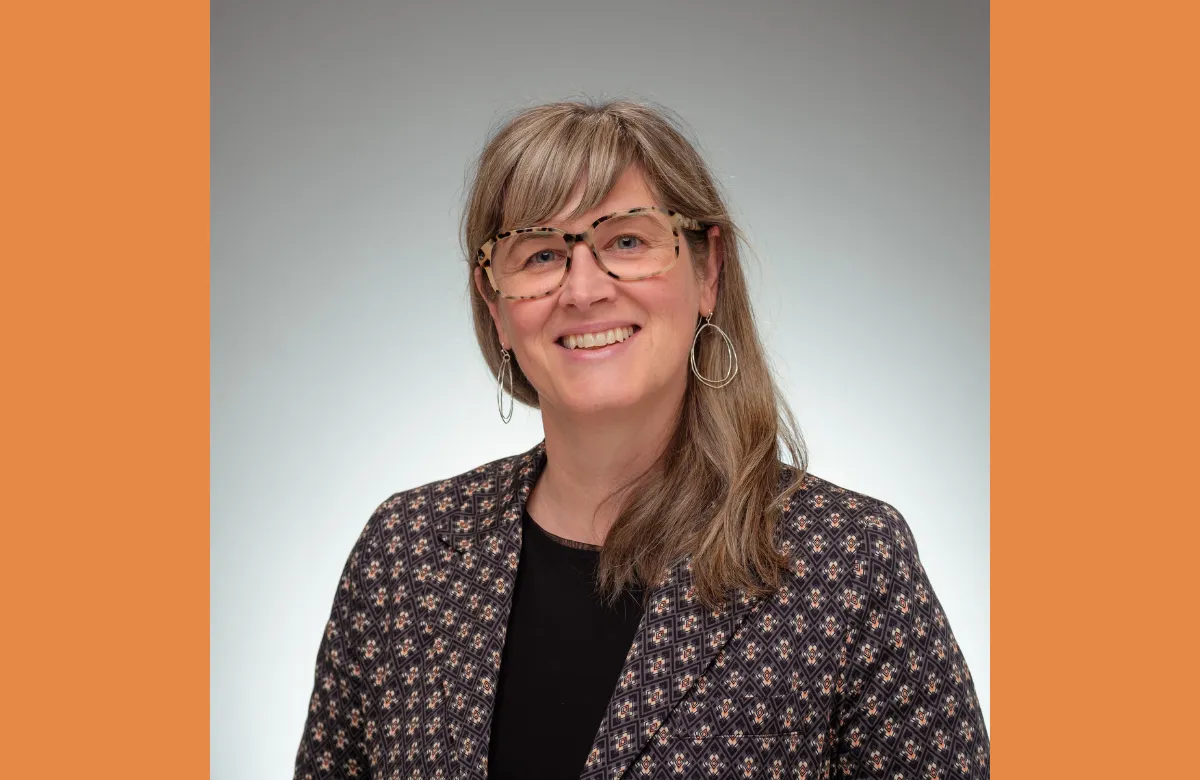
Keynote speaker : Isabelle Dionne
While life expectancy at birth has significantly increased over the past two decades, healthy life expectancy has stagnated. Yet physical activity remains one of the best preventive tools. It is now recognized that tailored exercise should be part of treatment plans for various age-related health conditions. Understanding the different exercise modalities and their respective impacts is essential. This talk will explore the latest research on effective active practices that promote health and quality of life in older adults.
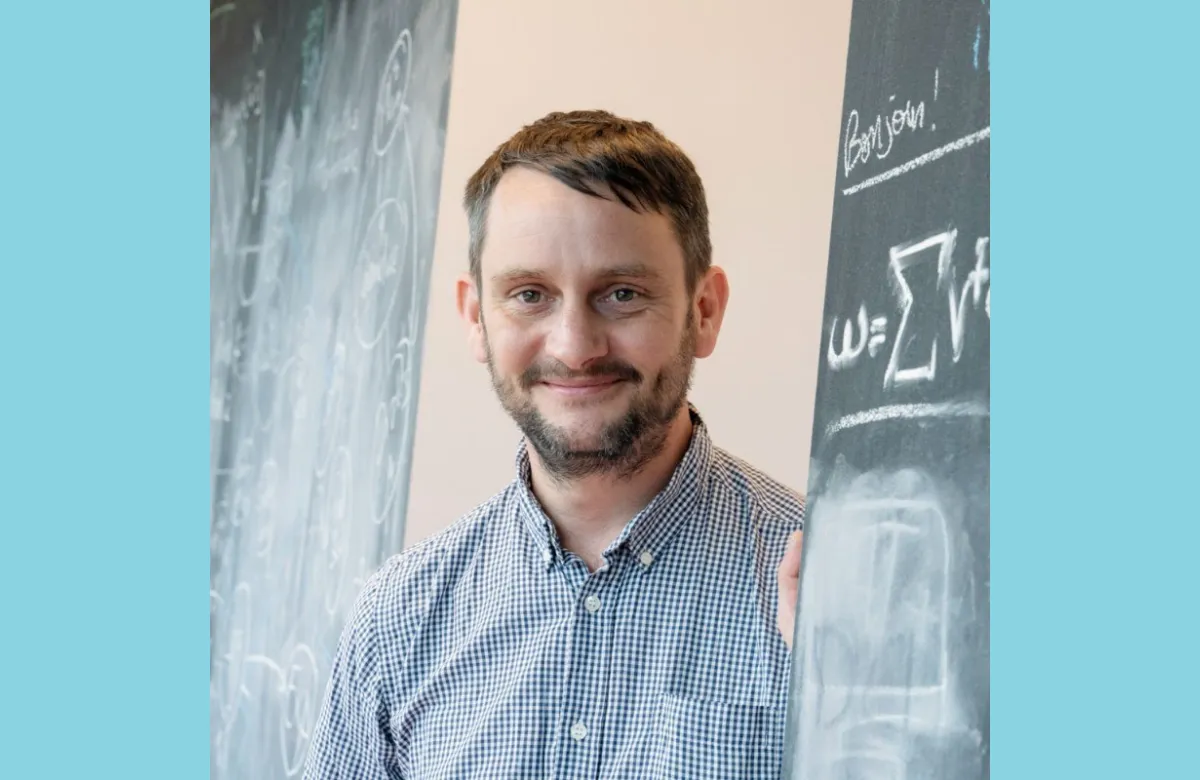
Speaker : Xavier Fresquet
The accelerated aging of the European population presents a major public health challenge, marked by rising chronic diseases and loss of autonomy. Artificial intelligence is emerging as a key tool to anticipate, personalize, and support seniors’ care pathways. This presentation explores the role of universities in addressing this issue, using Sorbonne University as an example to showcase ongoing complementary actions: stroke prevention, digital twins for disease modeling, microbiota analysis to boost immunity. It also highlights the contributions of socio-physical robotics in rehabilitation, optimizing prescriptions in nursing homes, and the potential of sustainable nutrition. A new Paris-based structure (AUTONOMIA), bridging university and hospital, will illustrate how tomorrow’s solutions can be born and accelerated to better meet patient-centered aging challenges.
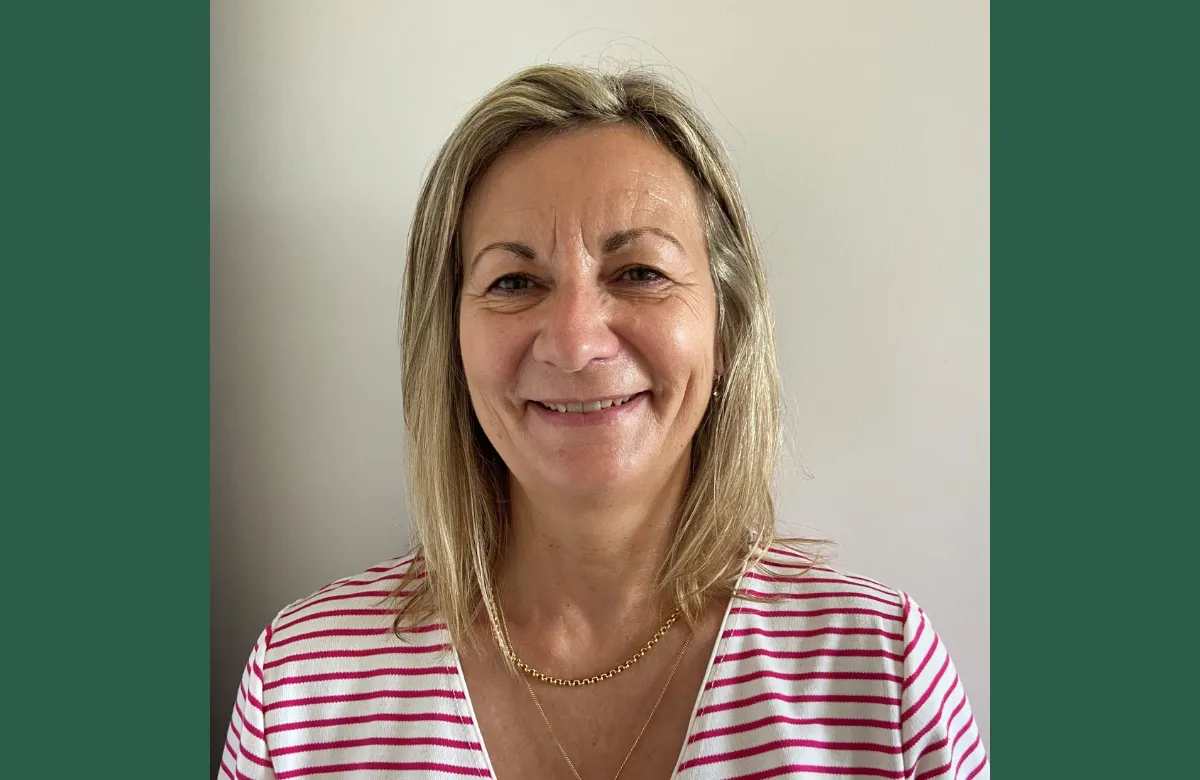
Speaker : Corinne Joffre
Population aging is one of the greatest economic, societal, and public health challenges. By 2050, over one billion people worldwide will be aged 60 or older, underscoring the importance of aging well. In this context, age-related cognitive decline is a critical factor to address in order to improve quality of life and prevent loss of autonomy. One promising approach involves implementing nutritional strategies.

Snacks and beverages provided

Speakers : André Marette et Stéphane Bronner
Age-related health issues such as sarcopenia, metabolic disorders, and cardiovascular diseases are increasingly linked to imbalances in the gut microbiota. Restoring microbial balance through biotic supplements is a promising strategy for managing these conditions.
This presentation will highlight the targeted development of biotic formulations by Lallemand Health Solutions, specifically designed for older adults. Key findings from recent preclinical and clinical studies on muscle health will be shared, along with data from two clinical trials on metabolic and cardiovascular effects.
Future research directions will also be discussed, including a collaborative partnership with Université Laval focused on developing new biotic formulations for aging, identifying emerging biomarkers, and conducting preclinical and clinical trials to better understand the microbiota’s role in metabolic resilience and the potential of new beneficial bacteria to extend healthy years.

Selected students:
- Rosalie Cottez,
- Claudia Miriam Alonzo de la Rosa
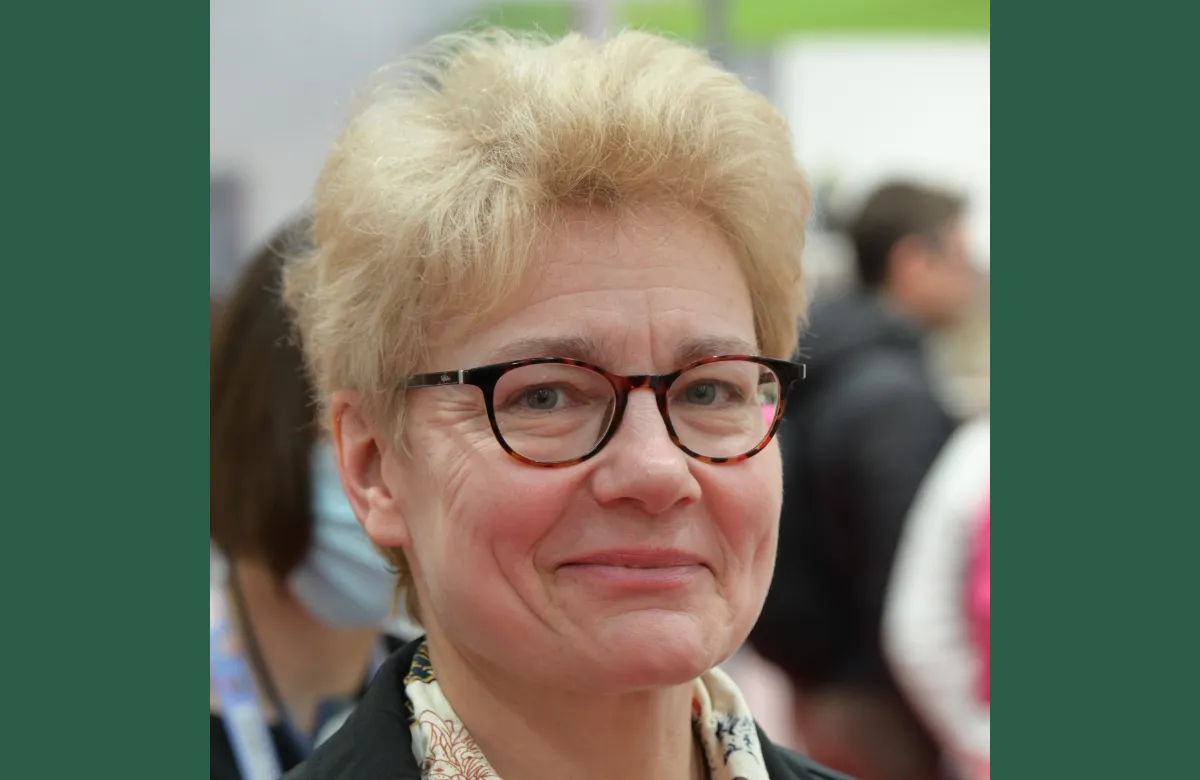
Speaker : Sophie De Reynal
Coming soon.
Nos intervenants.es
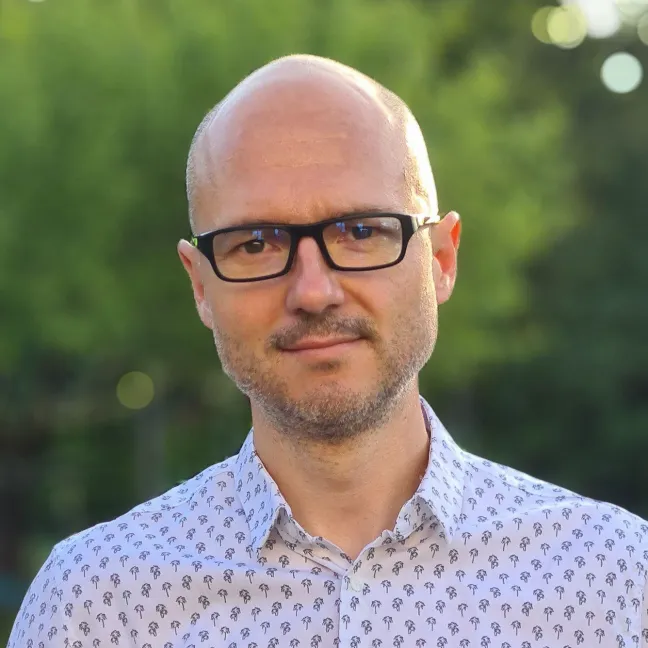
Xavier Fioramonti is Research director INRAE at the NutriNeuro institute. He obtained his doctorate in 2005 from the Paul Sabatier University of Toulouse in Physiology and Physiopathology. His doctoral work was pioneering in the characterization of glucose-sensitive neurons in the hypothalamus. He then did a postdoctoral training at Rutgers University (Newark, NJ) in the laboratory of Pr. Vanessa H. Routh where he studied how the brain detects and modulates hypoglycemia (2006-2010). Read more.
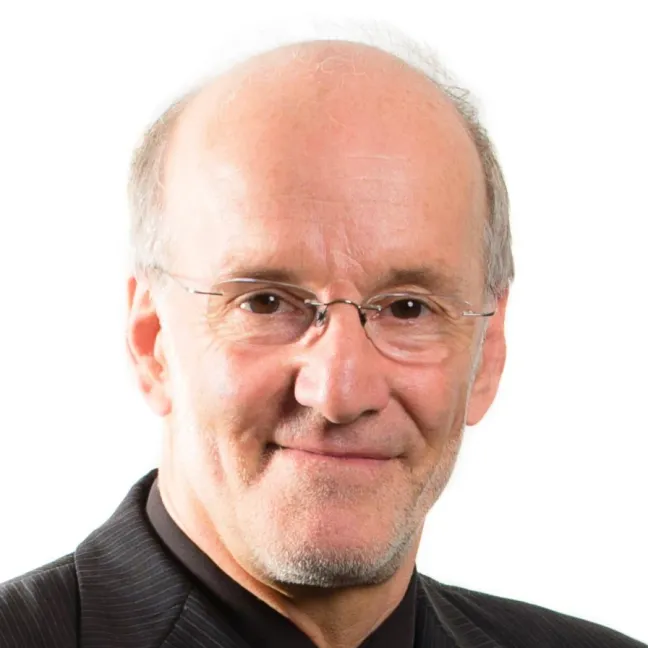
Professor Angelo Tremblay is a faculty member in the Department of Kinesiology at Université Laval. His research primarily focuses on the study of factors influencing energy balance in humans, with the overarching goal of improving obesity management. More recently, his work has explored non-traditional determinants of obesity, such as short sleep duration, low intake of calcium and dairy products, high-risk eating behaviors, cognitively demanding effort, and persistent organic pollutants. Read more.
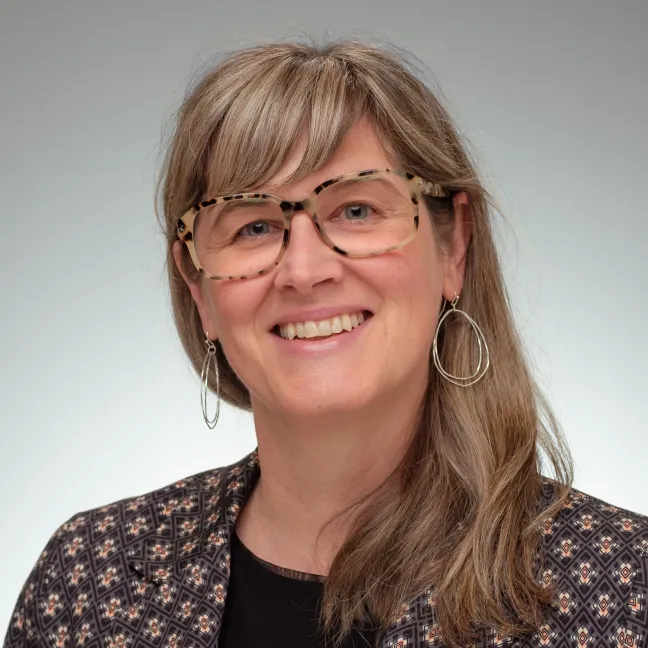
Following a PhD in exercise physiology from Université Laval and a postdoctoral fellowship at the University of Vermont, Professor Dionne joined the Faculty of Physical Education and Sports at Université de Sherbrooke, now known as the Faculty of Physical Activity Sciences. Currently serving as Vice-Rector for Studies and Student Life, she has maintained an active research program in the fields of exercise physiology and aging. Read more.
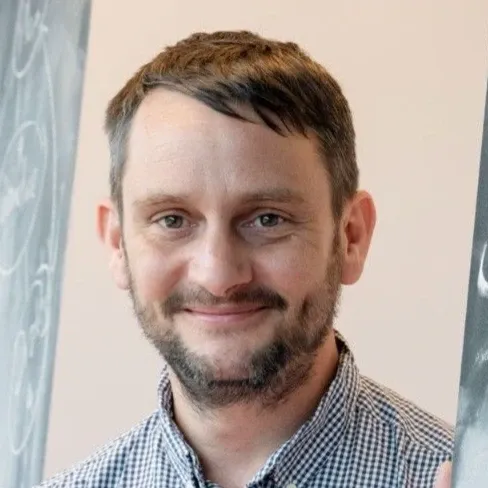
Xavier Fresquet is Deputy Director of the Sorbonne Center for Artificial Intelligence (SCAI), the interdisciplinary institute of Sorbonne University dedicated to advancing research, education, and innovation in artificial intelligence. In parallel, he holds the position of research engineer at Sorbonne University. A doctoral graduate in digital humanities from Sorbonne University, Xavier Fresquet has cultivated expertise at the intersection of the humanities and artificial intelligence. Read more.
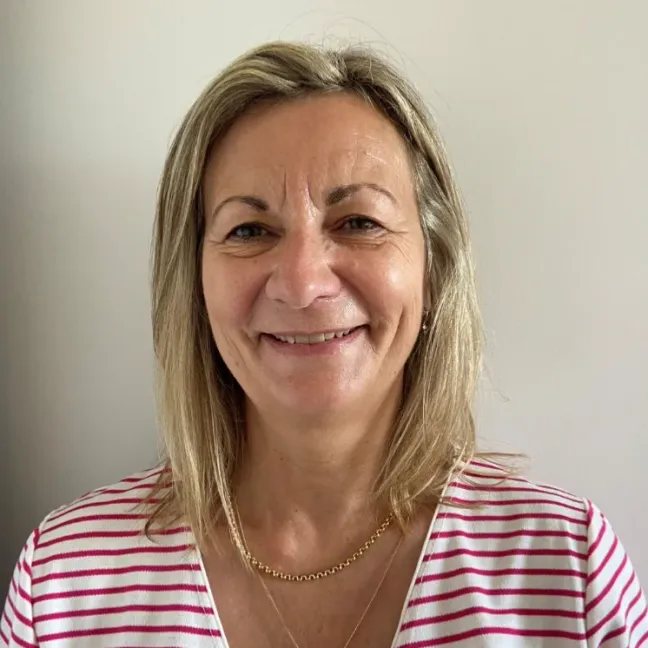
Corinne Joffre, INRAE research director and holder of an HDR (Habilitation à Diriger des Recherches, or accreditation to supervise research), has worked in several INRAE laboratories. She completed her thesis and was recruited by INRAE in Nantes in 1997. Then, wishing to specialize in lipid nutrition, she joined the Dijon laboratory in 1999, where she developed a research topic on the prevention of dry eye syndrome using polyunsaturated fatty acids. Read more.

Stéphane Bronner is the Director of Translational Research at Lallemand Health Solutions. He earned his Ph.D. in molecular biology and microbiology from the University of Strasbourg, France, in 2002. His doctoral research focused on the expression and regulation of Staphylococcus aureus toxins. He also collaborated with various pharmaceutical companies on projects involving both existing and new antimicrobial molecules. Read more.
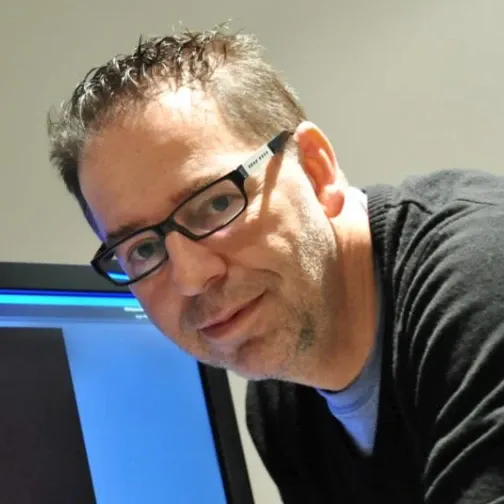
Dr. André Marette is a Professor of Medicine and researcher at the Heart and Lung Institute Hospital Center (IUCPQ), and at the Institute of Nutrition and Functional Foods (INAF) at Laval University. He holds a Valbiotis Research Chair in plant bioactives and metabolic liver diseases and a Pfizer Research Fund in the pathogenesis of insulin resistance and cardiovascular complications. Read more.
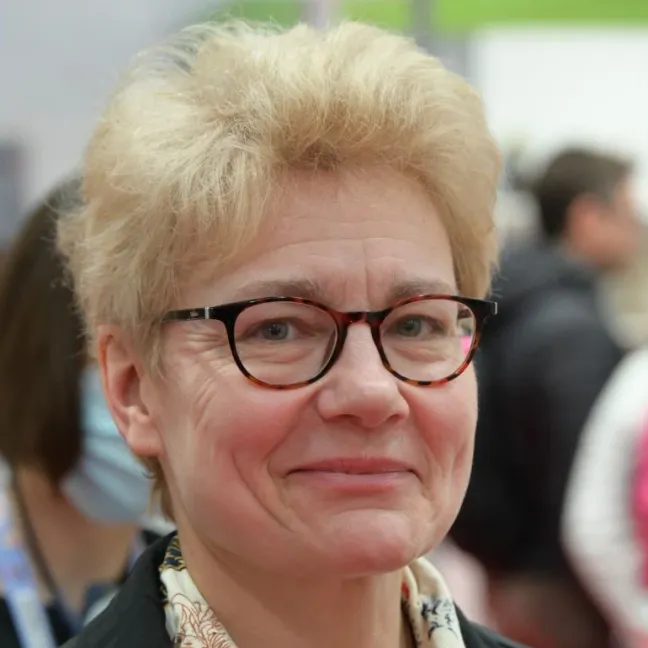
Sophie de Reynal is a graduate of the Institut Supérieur de Gestion (Paris) and currently serves as Marketing Director at NutriMarketing SA, where she brings extensive expertise in food innovation and strategic market analysis. She advises food manufacturers on emerging trends, conducts market studies, produces monitoring reports, and contributes to innovation-focused initiatives across the sector. Read more.