Program Overview
For details of schedule and presentations, registered participants can click here
Opening Session 1: Toxin Biology at Atomic Resolution
Monday October 12, 4:30-6:30 pm Eastern
How Photorhabdus luminescens Hijacks a Nematode and Kills an Insect: The Story of Tc Toxins
Architecture and Function of Large Clostridium botulinum Neurotoxin Complexes
Plus short presentations--
Structure of the human voltage-gated proton channel Hv1 in complex with the MRSA LukAB pore-forming toxin
Presented by Mikayla Harden-Pruitt, St. Jude Children's Research Hospital
Pyroptolysins
Presented by Alex Johnson, Brandeis University
Session 2: Close encounters of the membrane (not in kind)
Tuesday October 13, Morning 8:15-11:30 am Eastern
Molecular mechanisms of membrane pore formation by a fungal toxin
Organelle remodeling and inflammasome activation by bacterial toxins
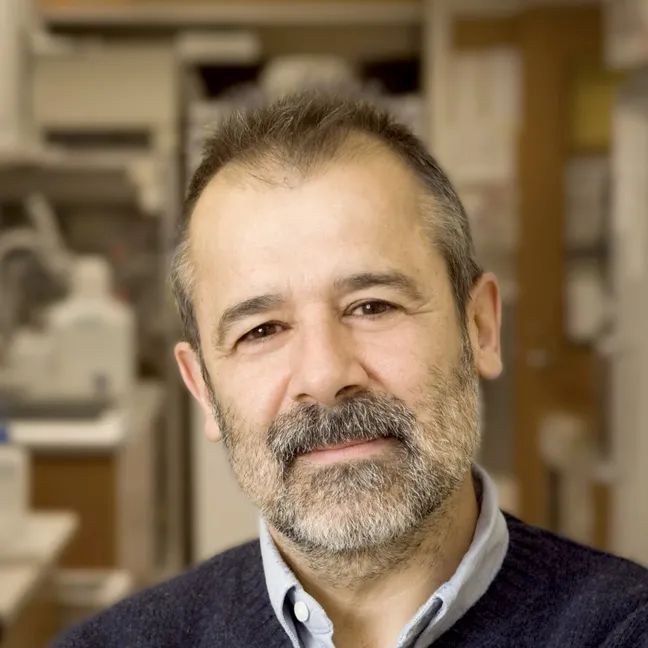
Typhoid toxin: reframing typhoid fever
Plus short presentations--
Role of bacterial and host vesicles in Shiga toxin-mediated disease
Presented by Bishajit Sarkar, UConn Health School of Medicine
Glycosphingolipids As Sensors for Epithelial Cell-Autonomous Host Defense at Mucosal Surfaces Mediated by Down-Regulation of the Apical Endosome
Presented by Wayne Lencer, Boston Children's Hospital and Harvard Medical School
From molecular interface to protein engineering: A minimal tag for CyaC-dependent acylation and membrane targeting
Presented by Michaela Buresova, Institute of Microbiology of the Czech Academy of Sciences
Clostridium perfringens Delta toxin targets CD9 to drive necrotizing enterocolitis and brain injury
Presented by Xiaozhe Xiong, Guangzhou National Laboratory
Session 3: Putting the Eco/Evo back into toxins and effectors
Tuesday, October 13, Afternoon 1:00-3:30 pm Eastern
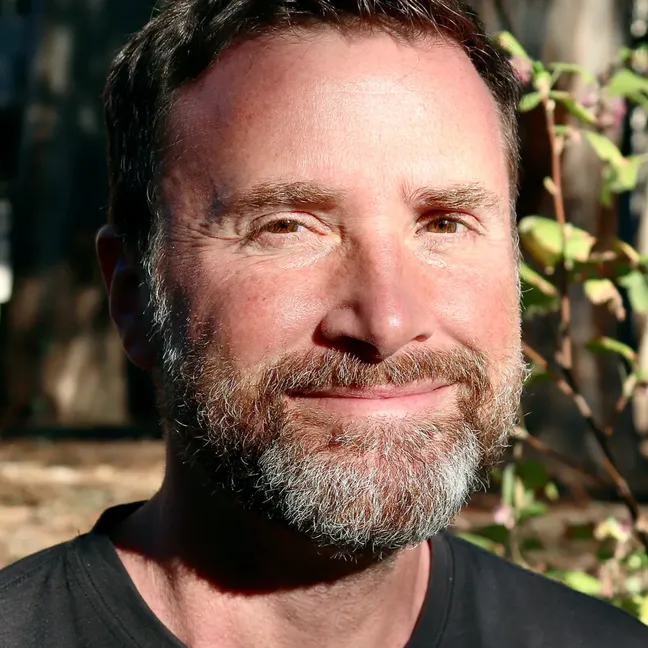
Evolution of a novel innate immune factor in animals through horizontal gene transfer: A toxic two-step

Role of a T3SS effector during bacterial-fungal interactions
Plus short presentations--
Attractin is the host receptor for Nigritoxin and a wider family of bacterial lethal exotoxins
Presented by Raghuvir Viswanatha, Harvard Medical School
Large-scale mining of the Sequence Read Archive reveals five new botulinum-like toxin lineages
Presented by Andrew Doxey, University of Waterloo
Large-scale discovery of novel polymorphic toxins and T6SS effectors in bacterial genomes
Presented by Asaf Levy, The Hebrew University of Jerusalem
Defining the mechanism of a novel tripartite C. difficile toxin and its role in pathogenesis
Presented by Kaitlyn Gallagher, Vanderbilt University Medical Center
Session 4: Toxin origins: inter-microbial training grounds
Wednesday, October 14, Morning 8:15-11:30 am Eastern
Bacterial DNA ADP-ribosyltransferase toxins in phage defense
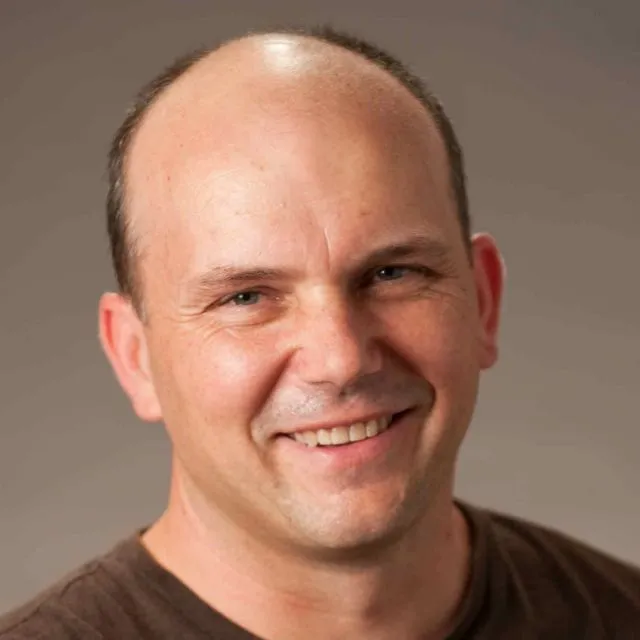
Protein effector delivery through type 5 secretion systems
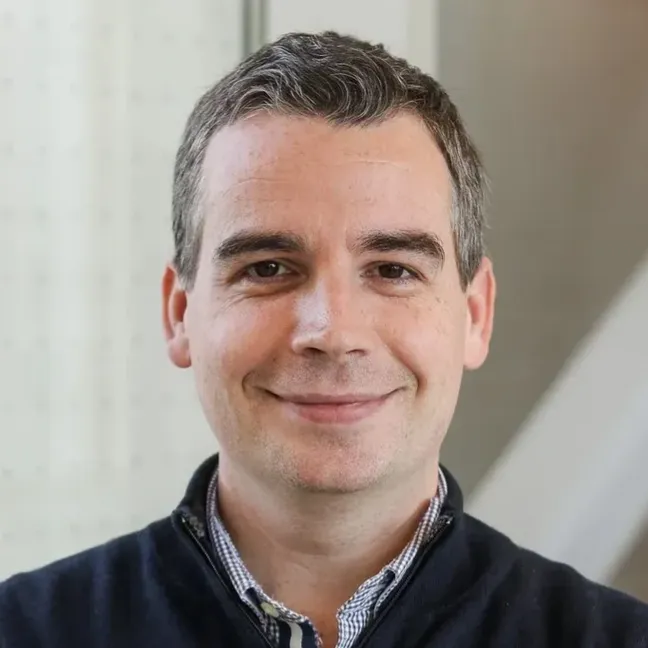
New Mechanisms of Bacterial Toxin Function
Plus short presentations--
A conserved mechanism mediating antibacterial toxin delivery
Presented by Minwoo Bae, Yale University
Dual Function for a Pseudomonas aeruginosa Type VI Secretion System (T6SS) Immunity Protein
Presented by Lia Michaels, Geisel School of Medicine at Dartmouth
Engineering Extracellular Contractile Injection Systems
Presented by Charles Ericson, ETH Zurich
The flagellar protein FliF mediates intoxication by the type VI secretion system toxin DddA in cystic fibrosis pathogens
Presented by Marcos de Moraes, Rice University
Session 5: Molecular syringes and their effector cocktails
Wednesday, October 14, Afternoon 1:00-3:30 pm Eastern
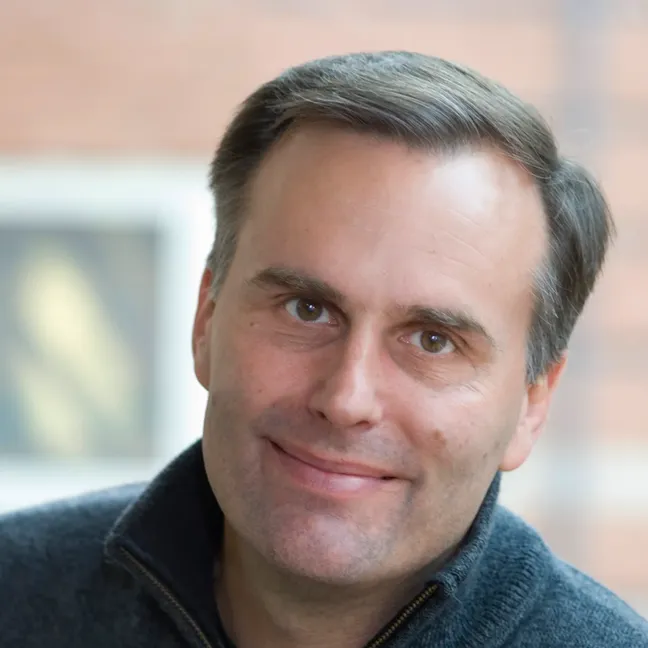
Host cell manipulation by Type IV secretion system effector proteins
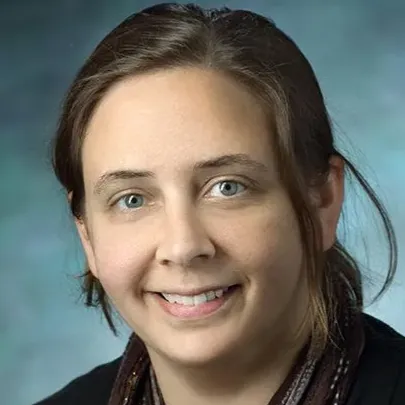
Peroxisomes under siege: Legionella's secret war on host lipid factories
Plus short presentations--
Identifying novel E3 ubiquitin ligases in the bacterial pathogen Legionella pneumophila utilizing UbiReal
Presented by Shun-Je Bhark, Oregon Health & Science University
The Mycobacterium tuberculosis effector PPE61 targets mitochondria to induce cell death
Presented by Samantha Bell, Rutgers New Jersey Medical School
Hierarchical, non-additive MARTX effector interplay rewires host transcription to drive Vibrio vulnificus virulence
Presented by Francisco Silva, Northwestern University Feinberg School of Medicine
Session 6: New perspectives and applications for toxins and effectors
Thursday, October 15, Morning, 8:15 am - Noon

Beyond Classical Immunotoxins: Engineering the Next Generation of Toxin Therapeutics
Do Bacterial Toxins Script Colorectal Cancer Pathogenesis?
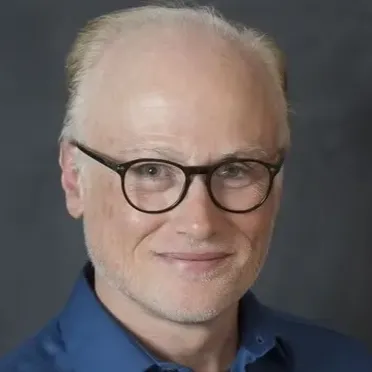
Remodeling the Helicobacter pylori infection niche through Vacuolating Cytotoxin reprogramming of gastric cell metabolism
Plus short presentations--
Precision targeting of RAS mutant solid tumors via dual cancer marker-gated cytosolic delivery of a RAS inactivating toxin
Presented by Shihui Liu, University of Pittsburgh School of Medicine
Targeted therapeutic delivery with bacterial contractile injection systems
Presented by Joseph Kreitz, Boston Children's Hospital
Beyond superantigenicity: Novel pathogenic mechanisms of Staphylococcus aureus superantigens
Presented by Wilmara Salgado Pabon, University of Wisconsin-Madison
Repurposing the Anthrax Toxin Protective Antigen: A Dynamical Nanopore Biosensor for Label-Free Peptide Detection
Presented by Bryan Krantz, University of Maryland, Baltimore