Featured Speakers
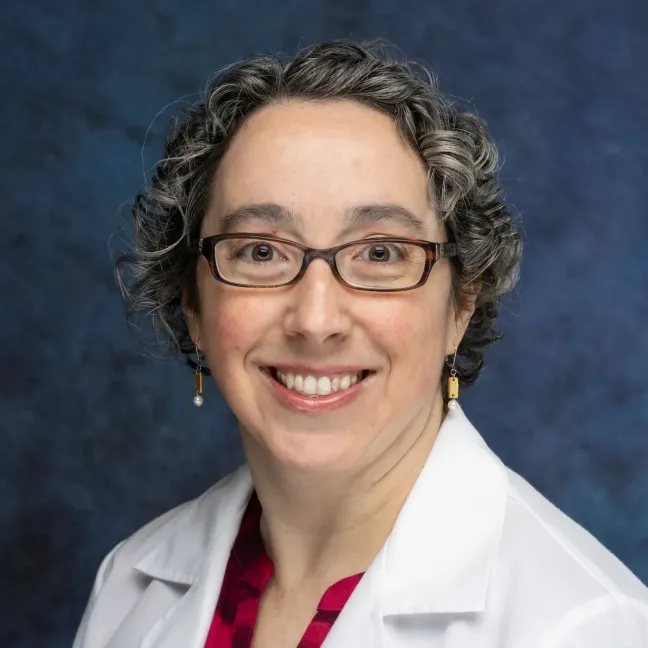
Dr. Melissa Armstrong is a Professor and the Associate Chair of Faculty Development for the Department of Neurology at the University of Florida. She also directs the Mangurian Clinical-Research Headquarters for Lewy Body Dementia at the UF Health Norman Fixel Institute for Neurological Diseases. She has research funding from the National Institutes of Health, Florida Department of Health, and Michael J. Fox Foundation. Her research focuses on the lived experiences of people living with parkinsonisms and dementia and their care partners and caregivers.
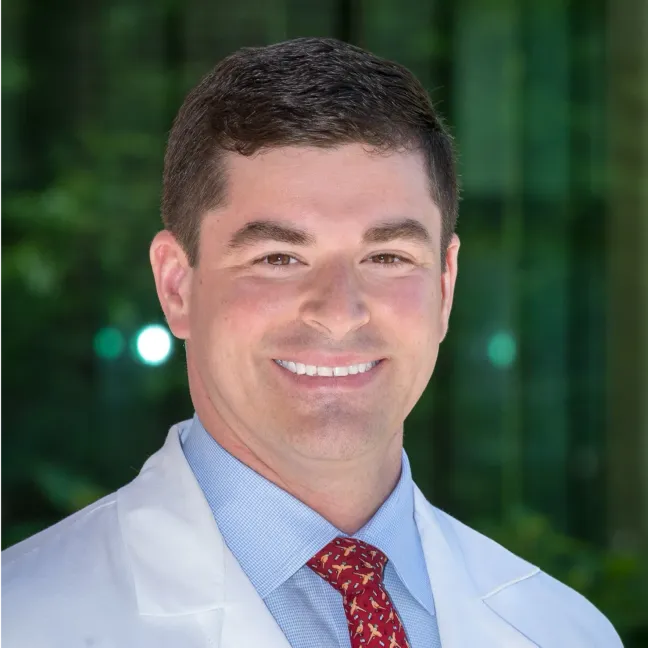
Dr. Alexander J. "AJ" Blood is a Physician-scientist, clinical trialist, and digital health innovator working at the forefront of cardiometabolic disease, critical care, and AI in healthcare. He is a Cardiologist and Critical Care Attending at Brigham and Women’s Hospital and an instructor of medicine at Harvard Medical School. Dr. Blood also serves as Senior Clinical Investigator at the Mass General Brigham Data Science Office and Director of the Accelerator for Clinical Transformation research group. He is a fo-founder and CEO of AIwithCare, a company using generative AI to transform clinical trial recruitment and access. His work bridges clinical excellence and cutting-edge technology to reimagine patient-centered care. His publications in Circulation, JAMA Cardiology, NEJM AI, and JAMA detail his use of technology to make healthcare delivery and evidence generation more effective and efficient.
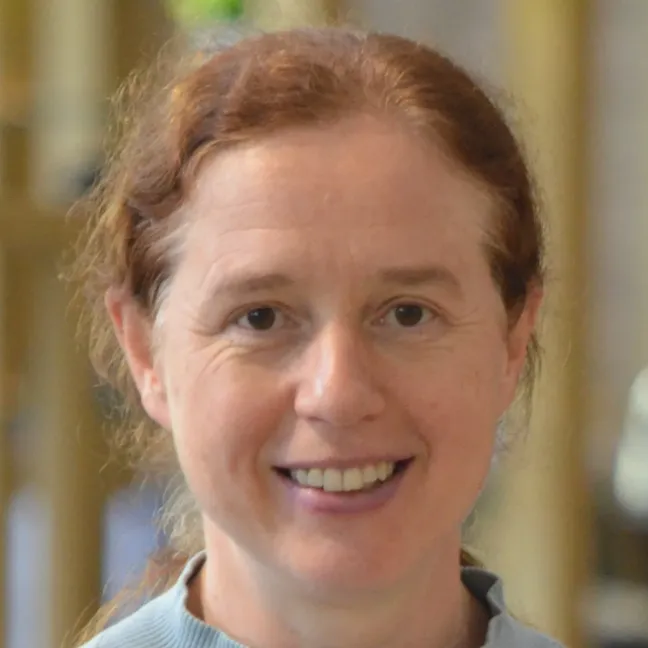
Camille Carroll is Professor of Clinical Neuroscience and Honorary Consultant Neurologist at Newcastle University. Her research is focused on disease modification and the use of digital health technologies for monitoring and personalised care in Parkinson’s disease. She is co-chief investigator of the Edmond J Safra ACT-PD multi-arm, multi-stage platform trial for disease modifying interventions in Parkinson’s and leads a UK national web-based Parkinson’s research registry. She is co-deputy chair of the NIHR Parkinson’s disease Translational Research Collaboration, and co-chairs the international Linked Clinical Trials Committee, prioritising repurposed drugs for disease modification trials in Parkinson’s. She is co-chair of the international Movement Disorders Society Patient and Carer Committee, deputy chair of the UK Parkinson's Disease Clinical Studies Group, joint clinical director of the Parkinson’s UK Parkinson’s Excellence Network and member of the Association of British Neurologists Movement Disorders Advisory Group. She is an Associate Editor for the Journal of Parkinson’s Disease.
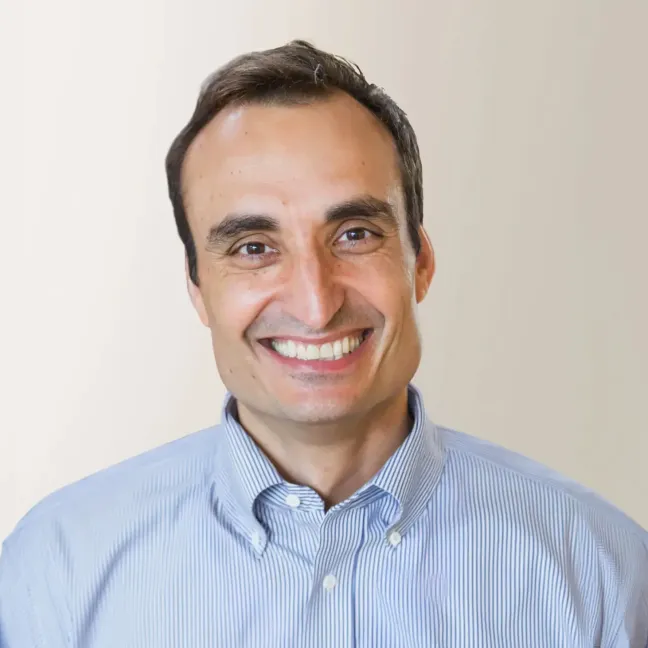
Ray Dorsey, MD, MBA is a neurologist working to end Parkinson's disease by addressing its root causes: toxic environmental exposures. He is the co-author of the New York Times bestseller, The Parkinson's Plan: A New Path to Prevention and Treatment (2025) and Ending Parkinson's Disease (2020). One of the world's most widely read, cited, and followed neurologists, Dr. Dorsey is investigating the environmental drivers of brain diseases and advancing a vision where conditions like Parkinson's are preventable, not inevitable. The White House recognized him as a "Champion for Change" for his work on Parkinson's disease. He has testified before Congress, advised the World Health Organization, and leads pioneering research at the intersection of environment and neurodegeneration. His work highlights the growing evidence behind the Parkinson's pandemic, linking the disease to chemicals commonly found in our environment from dry cleaning facilities to golf courses.
Dr. Dorsey is the founding director of the Center for the Brain & Environment at Atria Health and Research Institute, where he is working to uncover and eliminate the environmental contributors to Parkinson's, ALS, intellectual disabilities, Alzheimer's, and other brain diseases. He also serves as a Professor of Neurology (part-time) at the University of Rochester.
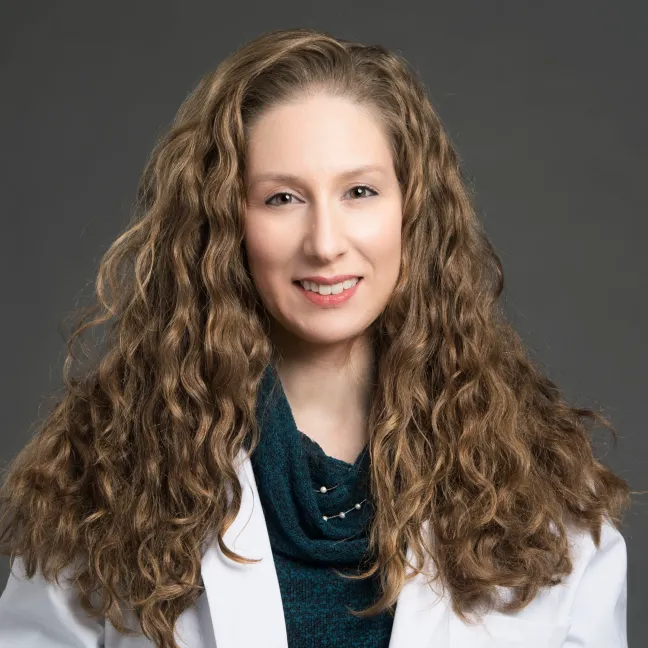
Jori Fleisher, MD MSCE FAAN is a movement disorders neurologist and Associate Professor of Neurological Sciences at Rush University Medical Center. She co-directs the Rush Parkinson’s Foundation Center of Excellence and leads the Rush Advanced Interdisciplinary Movement Disorders Supportive Care (AIMS) Clinic, CurePSP Center of Care, Lewy Body Dementia Association Research Center of Excellence, and Comprehensive LBD Clinic. Dr. Fleisher completed her neurology, global health equities, movement disorders, and epidemiology training at the University of Pennsylvania. She has additional training in palliative care, health services and implementation research, and advocacy leadership. Supported by the NIH, foundations, and philanthropy, Dr. Fleisher’s research focuses on designing and implementing novel models of care and support for people living with neurodegenerative disorders, including interdisciplinary care, home visits, and peer mentoring. She is a co-investigator on NIH-funded studies in PD, DLB, PSP, and dementia, and has been recognized for her advocacy and community-engaged research.

Dr. Jennifer Goldman, MD, MS, FAAN, FANA is a Movement Disorders neurologist with specialty certification in Behavioral Neurology and Neuropsychiatry. She is an internationally recognized clinician, researcher, and educator in Parkinson’s disease (PD), Lewy Body Dementia and movement disorders. Dr. Goldman is a Professor at Barrow Neurological Institute and previously served as Section Chief for PD Movement Disorders at Shirley Ryan AbilityLab and as Professor at Northwestern University and Rush University. She is the Secretary for the International Parkinson and Movement Disorder Society, Chair of the Lewy Body Dementia Association (LBDA) Industry Advisory Council, and serves on the LBDA Board of Directors and International Consortium-Dementia with Lewy bodies Executive Committee. Dr. Goldman has been a member of the PSG since 2005 and over the years, has chaired the PSG Biomarkers Working Group and been a member of the Cognitive/Psychiatric Working Group, Mentoring Committee, and Scientific Review Committee.

Dr. Ritu Kapur is a seasoned neuroscientist with over 20 years of experience in neurodegenerative diseases, medical device development, neuromodulation, and data analytics. Prior to her work as the President and CEO of Bridge Analytics, she held several leadership roles at Verily Life Sciences and served as a Clinical & Research Scientist at NeuroPace, Google, and UC San Francisco. Dr. Kapur excels in leading teams that utilize traditional and machine learning methods to extract clinical insights from high-density data. At Verily, she founded and led the Digital Biomarkers organization, developing digital measures from wearable sensors and pioneering their use in human clinical studies. As a Product Manager at Verily, she led the development of the Parkinson's Suite, including a smartwatch-based Virtual Motor Exam. Notably, she contributed to the PMA approval of the first brain-responsive neurostimulator for epilepsy at NeuroPace, where she analyzed clinical and device data to enhance epilepsy treatment. Her time at Google involved roles in People Analytics with a focus on behavioral economics. Dr. Kapur holds a PhD in Neuroscience from UCSF and a BA in Human Biology with a focus on Neuroscience from Stanford University. She also served as an Endowed Full Professor at Radboudumc, focusing on digital biomarkers for Parkinson's disease.

Roberta Marongiu, PhD, is an Assistant Professor of Genetics and Neuroscience at Weill Cornell Medicine. She is a translational neuroscientist whose research investigates how biological sex, menopause, and neural circuit dysfunction shape vulnerability to Parkinson’s and Alzheimer’s disease. Her laboratory integrates AAV-mediated gene therapy, circuit neuroscience, innovative menopause models, and AI-driven analysis of large-scale patient datasets to uncover mechanisms of disease progression, identify sex-specific risk factors, and develop precision therapeutic strategies. Dr. Marongiu earned her PhD in Medical Genetics and Neuroscience at Sapienza University of Rome during the discovery of the Parkinson’s disease-associated gene PINK1 and completed postdoctoral training at Weill Cornell Medicine developing gene therapy approaches for Parkinson’s disease. Her work is supported by the NIH and major foundations, and she serves in international scientific leadership and editorial roles advancing sex-informed precision medicine in neurodegeneration.

Dr. Lovingly Park is a neuropsychologist and Director, Neuroscience at Eli Lilly and Company, where she contributes to the clinical outcome assessment strategy in collaboration with the broader neuroscience team. She brings over a decade of experience in CNS drug development, having previously served as Senior Director, Clinical Development at Alector, and as Director, Scientific Affairs at Parexel. In addition, she has served on the Neuroscience Steering Committee of the Foundation for the NIH’s Biomarkers Consortium. Finally, Dr. Park has co-authored numerous articles on the development of functional decline in older adults, neuroimaging correlates of cognition, and various aspects of clinical trials in neurology.
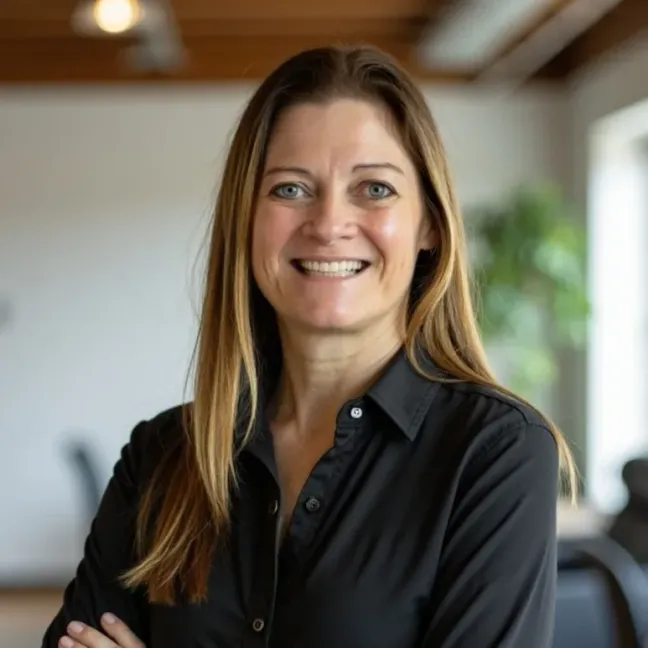
Kimberly Pfleeger, PhD, is a Senior Scientific Director in AbbVie’s Neuroscience Clinical Development Department in Chicago. Dr. Pfleeger earned her doctorate in Biochemistry and Molecular Biology, with a focus in Neuroscience, from the University of Alaska Fairbanks, as well as a master’s degree in Biochemistry from the University of Sussex and a bachelor’s degree from Occidental College.
She has been with AbbVie for 19 years, with experience spanning both Medical Affairs and Clinical Development. Dr. Pfleeger has authored clinical research manuscripts, presented at numerous neuroscience conferences and given invited lectures at academic- and industry-sponsored events. Her clinical research focuses on treatments for neurologic and psychiatric conditions with significant unmet need.
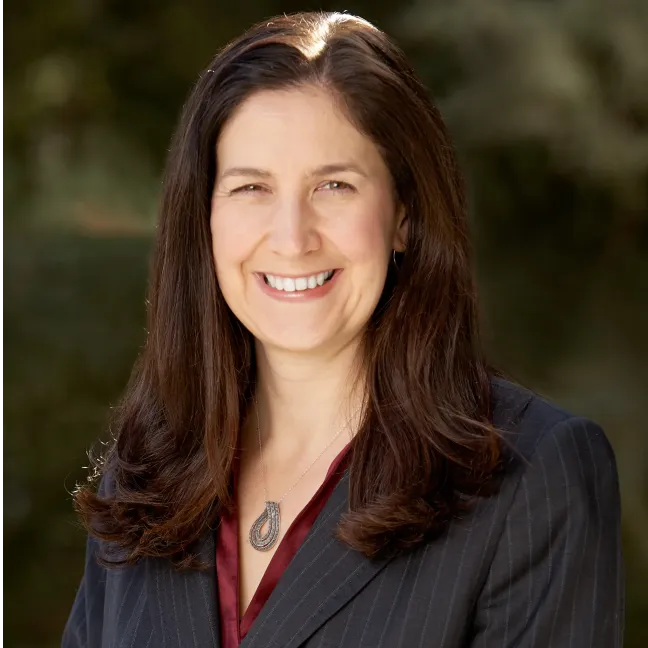
Dr. Kathleen Poston is the Edward F. and Irene Thiele Pimley Professor in Neurology and Neurological Sciences and (by courtesy) Neurosurgery, Vice-Chair for Research in the Department of Neurology and Chief of the Movement Disorders Division at Stanford University. Dr. Poston’s research and clinical emphasis is biomarker development to study the motor and non-motor impairments symptoms, such as dementia, that develop in patients with Parkinson’s disease and Lewy body dementia. She is a founding member of the Stanford Alzheimer’s Disease Research Center and co-Director for the Lewy Body Dementia Association Research Center of Excellence at Stanford University, Director of the Stanford Parkinson’s Foundation Center of Excellence and a PPMI Executive Steering Committee Member.
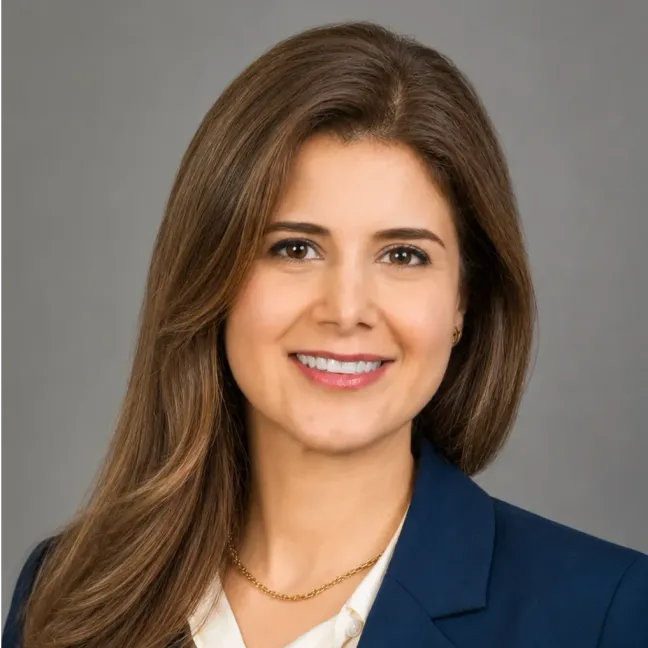
Dr. Delaram Safarpour is an Associate Professor of Neurology at Oregon Health & Science University (OHSU), where she serves as Director of the Movement Disorders Surgical Program. Her clinical and research interests include management of non-motor symptoms in Parkinson's disease (PD), as well as advanced therapies for movement disorders, particularly deep brain stimulation (DBS), MR-guided focused ultrasound (MRgFUS). Dr. Safarpour chairs the Other Non-Motor Working Group of the Parkinson Study Group, leading collaborative initiatives to improve the recognition and management of non-motor symptoms in PD. Her research focuses on optimizing patient selection and outcomes for advanced therapies, multidisciplinary models of care, and consensus guideline development. She is committed to advancing evidence-based care through clinical research, education, and national and international collaborations to improve the lives of people living with movement disorders.
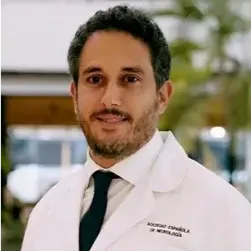
Dr. Sánchez-Ferro is a Movement Disorders specialist, Principal Investigator at Hospital Universitario 12 de Octubre (Madrid), and Chief Medical Officer and co-founder of Leuko, a health technology company with offices in Madrid and Boston. After completing his neurology training, he received competitive fellowships from the Spanish National Health Research Institute (ISCIII) and the Madrid-MIT Biomedical Innovation Program. His research focuses on developing digital health technologies, objective biomarkers, and artificial intelligence tools to improve the assessment and management of Parkinson's disease and other neurodegenerative disorders. This work has resulted in patents, successful health technology startups, and the translation of innovative solutions into clinical practice. He has been a visiting fellow at the Hertie Institute (Germany) and the MINDS Laboratory at Harvard University and trained under Prof. José Obeso at HM-CINAC. Dr. Sánchez-Ferro currently serves as Director of the Clinical Outcome Assessment Program of the International Parkinson and Movement Disorder Society and Chair of the Spanish Movement Disorders Group.
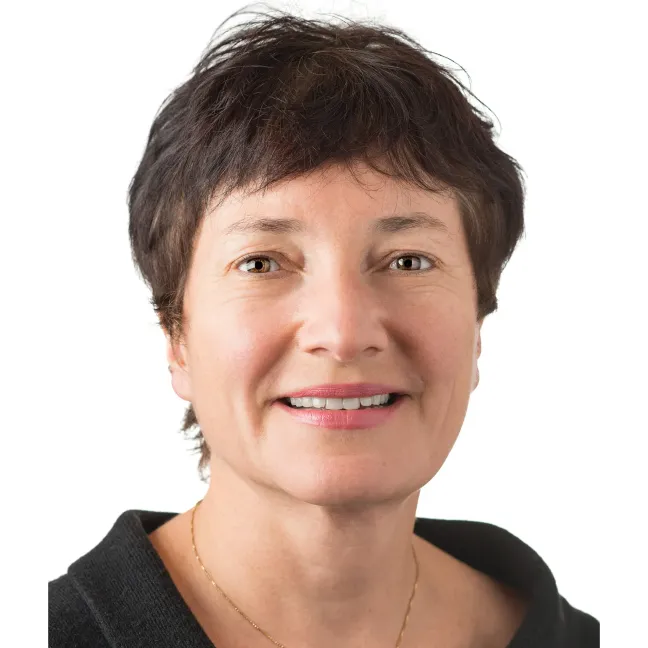
Dr. Simuni is the head of the division of the Movement Disorders at Northwestern University Feinberg School of Medicine that is recognized by the Parkinson’s Foundation, Huntington Disease Society of America, Ataxia Foundation and Wilson’s Foundation as a Center of Excellence and serves as a training model in the region. Her research interests are focused on the design and implementation of clinical trials testing biologically targeted interventions in PD. She is the lead author of the new biological definition of Neuronal synuclein disease and is involved in multiple initiatives focused on biomarkers driven drug development. She is the Principal Investigator for the Path to Prevention Platform trial testing therapeutics in early NSD population. She is the Site PI and Steering Committee member for the largest PD biomarker initiative (PPMI study. She serves on a number of Steering Committees for the PD national/ international clinical trials. She is site PI for the Network for Excellence in Neuroscience Clinical Trials (NEXT). Dr. Simuni is an active member of the Movement Disorders Society American Academy of Neurology, American Neurological Association, as well as the Parkinson’s Study Group.

Dr. Indu Subramanian received her medical degree from the University of Toronto, Canada and did her neurology residency and Movement Disorders fellowship training at UCLA in Los Angeles, California. Dr. Subramanian is a Clinical Professor of Neurology and was the PADRECC director at the West Los Angeles, Veterans Administration for 10 years where she still works as a neurologist. She underwent a 200 hour yoga teacher training and studied mindfulness at the VA through Insight LA after which she got board certified in Integrative medicine. She did a contemplative fellowship for health care providers through the New York Zen Center and is an AAN Palatucci Fellow and completed the AAN Transforming Leaders Program. She is the chair of the Wellness Study Group at the MDS. She completed a fellowship in Medical Journalism and Health Impact at the University of Toronto School of Public Health. Dr. Subramanian’s main research interest is on the effects of loneliness on people living with Parkinson’s Disease (PD) and is a passionate advocate for social connection especially in stigmatized populations. She is also passionate about palliative care and spirituality in PD.
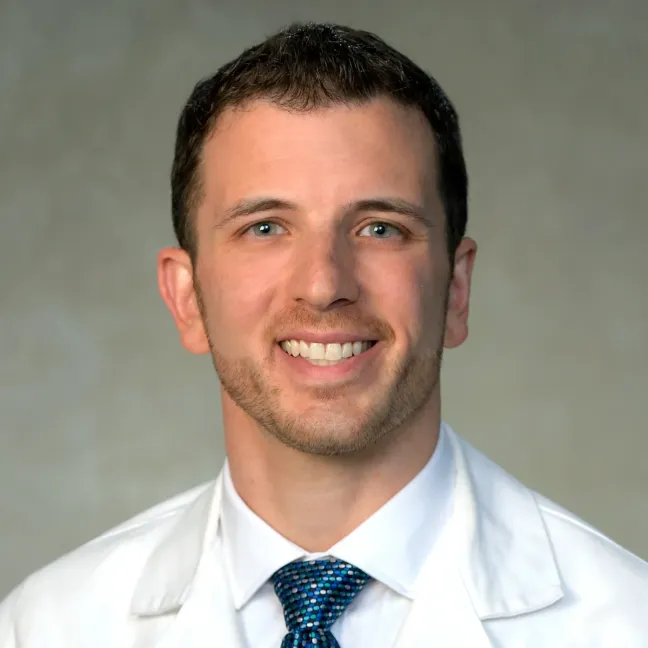
Dr. Thomas F Tropea is the Chief Medical Officer at the Institute for Neurodegenerative Disorders and an Adjunct Assistant Professor in Neurology at the University of Pennsylvania. He is a movement disorders neurologist and his research focuses on biomarkers in neurodegenerative diseases toward the development of precision approaches to research and clinical care.

Dr. Vaou is an Associate Professor of Neurology at UT Health in San Antonio, Texas and serves as the Division Chief of the Movement Disorder Center. She is also the Vice Chair of Faculty Development and Wellness in the Department of Neurology at UT Health San Antonio.
Dr. Vaou is a seasoned expert in treating patients with Parkinson’s disease and other movement disorders. Furthermore, she is a Board-Certified Sleep Specialist, providing care for sleep disorders in patients with movement disorders. She has received multiple awards and raised funds though foundations and philanthropy to expand care for patients with Movement Disorders in South Texas.
Dr. Vaou possesses a particular interest in Deep Brain Stimulation Focused Ultrasound and Sleep Disorders associated with Parkinson’s disease. Her passion extends beyond clinical practice to research, where she investigates novel pharmacological agents, sleep and genetics.

Dr. Weintraub is Professor of Psychiatry at the University of Pennsylvania and Psychiatrist at the Philadelphia Veterans Affairs Medical Center. A board-certified geriatric psychiatrist, he conducts clinical research in the psychiatric and cognitive complications of Parkinson’s disease and related disorders. He has been PI or Core Lead on grants from NIH, Department of Veterans Affairs, University of Pennsylvania, the Fox Foundation, the Movement Disorder Society, and industry-sponsored studies. He is on the Executive Steering Committee for the Fox Foundation-funded PPMI study; serves on the Steering Committee of the Movement Disorder Society Non-Motor PD Study Group and is on the Steering Committee of its Cognition and Lewy Body Diseases Study Group; and is co-Chair of the Cognitive Subgroup for the NINDS Common Data Elements. Dr. Weintraub also is a long-time Associate Editor of Movement Disorders Journal.