The Unintended Pest Hazards of Rooftop Solar Panel Installations
The transition toward residential clean energy has prompted thousands of homeowners across the state to install photovoltaic solar panels on their roofs. Converting unused roof space into an active power plant lowers electricity bills and decreases reliance on the commercial power grid. However, the engineering design of these rooftop systems inadvertently creates an absolute paradise for opportunistic wildlife. Solar panels are mounted several inches above the roof shingles on aluminium racking rails to allow air circulation and prevent the electronic components from overheating. This gap forms a permanent, shaded, and climate-controlled microclimate that sits completely elevated above ground-level predators. What was intended as a green home improvement frequently turns into an open invitation for destructive birds and rodents to establish massive colonies directly above your ceiling.
Pigeons and mourning doves are the most frequent culprits to exploit this elevated shelter. In nature, these birds seek high, flat ledges protected by overhead cliffs to build their nests. A residential solar array provides an identical physical environment. Within weeks of installation, flocks of pigeons will pack the space beneath the panels with sticks, dried grass, and feathers. The primary hazard stems from the rapid accumulation of bird waste. A small flock of nesting pigeons produces gallons of thick, highly acidic droppings that cake the roof shingles beneath the panels. This waste eats through the protective asphalt coating of the shingles, leading to significant roof leaks. Furthermore, dried bird waste contains harmful fungal spores and bacteria that can be drawn into the home through attic ventilation fans, severely compromising the health of the family below.
Rodents introduce an even more destructive and immediate hazard to the solar system. Grey squirrels and roof rats are natural climbers that can easily scale brick walls, downspouts, or overhanging tree branches to reach the roofline. Once they discover the protected cavity beneath the solar array, they find the warmth radiating from the inverter boxes and electrical conduits deeply appealing. Because rodents must constantly chew on hard materials to grind down their teeth, they systematically gnaw on the heavy-duty wiring connecting the panels. Stripped photovoltaic wires cause immediate ground faults, shutting down the entire solar array and stopping electricity production entirely. Worse still, exposed high-voltage direct-current wires running across dry pine needles and twig nests present an alarming electrical fire hazard that threatens the entire structure of the house.
Managing an active wildlife colony living under a solar array is exceptionally complex and cannot be resolved with temporary scare tactics or plastic decoy owls. Birds quickly learn that fake predators pose no threat, while rodents easily bypass basic noise deterrents. Attempting to blast the nests away with a high-pressure garden hose will only force wet debris and toxic droppings down into the gutters, clogging downspouts and potentially short-circuiting the electrical connections. Homeowners require a comprehensive approach to Pest Control NJ that safely removes the nesting animals and permanently seals the roofline against future colonization without voiding the manufacturer warranty on the solar panels.
Professional technicians resolve this unique hazard through specialized exclusion installations known as critter guards. Certified specialists install heavy-gauge, PVC-coated steel mesh around the entire perimeter of the solar array, securing the screen with non-damaging aluminium clips that fasten to the panel frames without drilling. This creates a durable, weather-resistant barrier that prevents birds from flying underneath and stops squirrels from chewing their way inside. Before the physical guard is attached, technicians thoroughly clean and sanitize the area beneath the panels, eliminating the acidic waste and biological scent markers that attract other animals.
Investing in solar technology should lower your household expenses, not introduce expensive roof leaks and dangerous electrical fire hazards. Homeowners must recognize that altering the architecture of their roof alters the local biological pressures. Combining high-quality renewable technology with professional exclusion barriers guarantees that your solar panels continue to generate clean electricity safely, keeping your home energy-efficient and completely free from destructive nesting wildlife.
Conclusion
Rooftop solar arrays create a sheltered, temperature-controlled gap that attracts dense populations of nesting pigeons and destructive rodents. The resulting accumulation of acidic droppings rots roof shingles, while gnawed photovoltaic wiring introduces severe electrical fire hazards. Installing heavy-gauge, professional exclusion barriers around the panels completely blocks animal access and preserves both your roof and your solar investment.
Call to Action
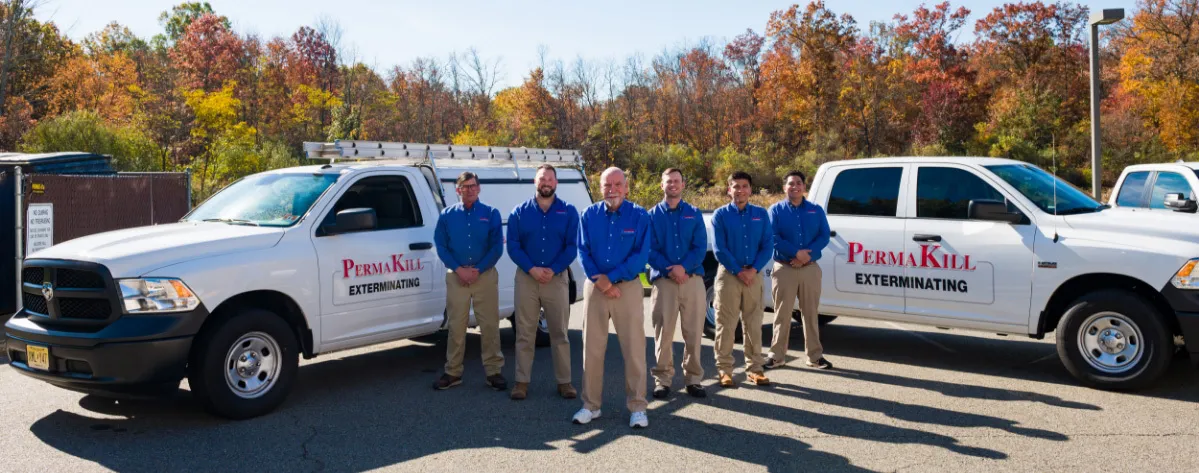
Protect your rooftop solar array from animal damage and eliminate fire hazards by partnering with the skilled technicians at PermaKill Exterminating. Schedule a thorough roofline inspection today to install durable exclusion guards and keep your property safe.
Keynote Speakers
The best speakers in the field will be gathered during the event.

Currently pursuing her doctorate at Brightwater University, Alice is distinguishing herself with her innovative research approaches. Her passion for knowledge and discovery drives her studies and invigorates her peers.

Lillian has showcased her dedication to rigorous scholarship and interdisciplinary collaboration. Her research, although in its early stages, is gaining attention in her academic circle.

As a doctoral student at Pineview Institute of Technology, Michael is known for his commitment to scientific exploration and his readiness to challenge established theories. His research, though nascent, shows promise of broad and significant impact.

Benjamin has made strides with his groundbreaking studies. His inspiring commitment to expanding knowledge, combined with his enthusiasm, encourages a vibrant academic environment.

Frequently Asked Questions
Find quick answers to common questions about the conference.
Head over to our registration page, and complete the online form. Select your ticket type, provide the required information, and submit payment to secure your spot.
The conference schedule is available on the website. It includes a detailed list of sessions, workshops, keynote speakers, and networking events. Check the schedule regularly for updates and changes.
Yes, there are hotels and accommodations close to the conference venue.
Yes, you can submit a presentation proposal during the open call for speakers. Visit the 'Submission' page on the website, and follow the submission guidelines provided.
Our Sponsors
We are grateful to our sponsors who made this conference possible.



Location
No location
Contact us
If you have any questions, please contact exterminatingpermakill@gmail.com