The 7th International Conference on Innate Immune Memory
La Plaza Centre Ville, Montreal, Canada
September 23-25, 2026

Welcome to the 7th International Conference on Innate Immune Memory

We are delighted to invite you to the International Conference on Innate Immune Memory, where researchers and practitioners from around the world will gather to explore the latest advancements in innate immune memory research.

Join us for a series of insightful presentations, engaging discussions, and networking opportunities designed to foster collaboration and innovation in this rapidly evolving field.

Abstract Submission Deadline: June 1, 2026
Registration Deadline: August 1, 2026

Register by March 1, 2026, to receive the early-bird discount

Trainees / Staff: $550 CAD (early-bird) • $650 CAD (regular)
Faculty / PIs: $650 CAD (early-bird) • $750 CAD (regular)
Registration is currently limited to 225 participants. Capacity may be adjusted as the event approaches.

The International Conference on Innate Immune Memory will bring together leading scientists, trainees, and clinicians to explore the latest breakthroughs in trained immunity, emerging research directions, and translational opportunities. A key focus of the meeting is to bridge modern medical discoveries with the evolutionary foundations of innate immune memory in plants and invertebrates, highlighting how insights from each discipline can mutually advance the field. World leaders in innate immune memory will present their newest findings and perspectives on how trained immunity can shape future strategies to promote health. Trainees will be strongly encouraged to share their work, engage in rigorous scientific discussion, and connect with experts and peers from around the globe.

Objectives of the International Conference on Innate Immune Memory:

  • To bring together the latest international research efforts and advances on the evolutionary aspects and molecular mechanisms of trained immunity.

  • To lay the groundwork for effective networking to further investigate the therapeutic potential of trained immunity in human disease and in the novel generation of vaccines.

  • To offer trainees in this field of immunology an opportunity to present their research and engage in career and professional development activities.

Keynote Speakers

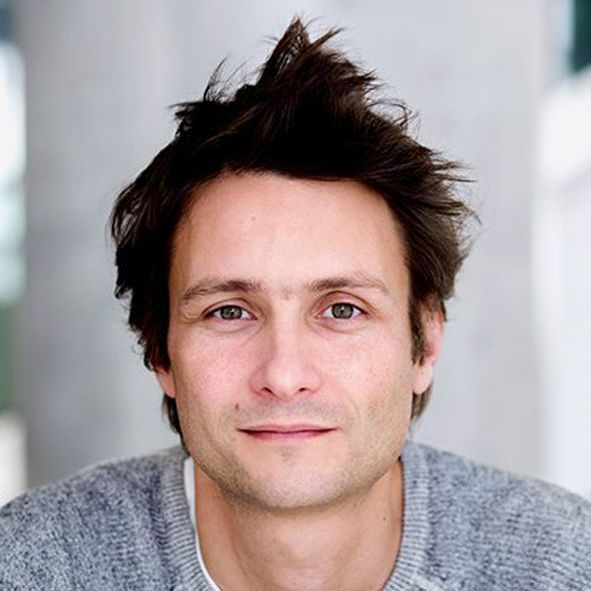
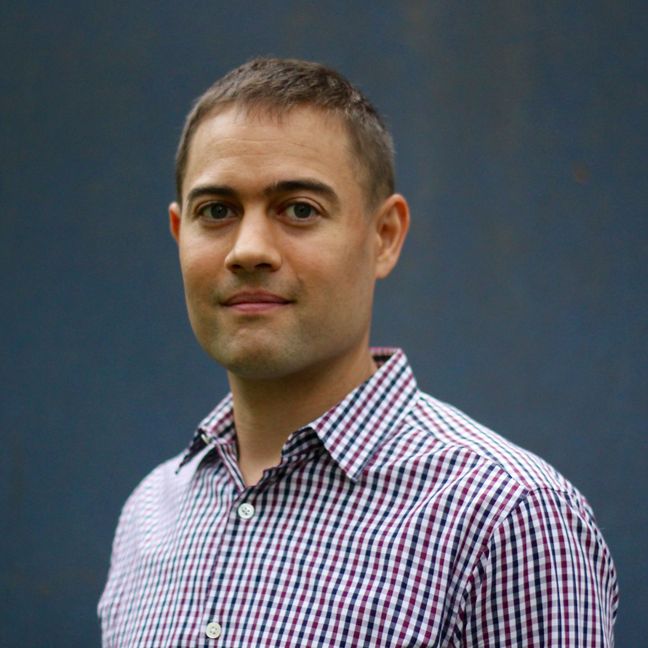
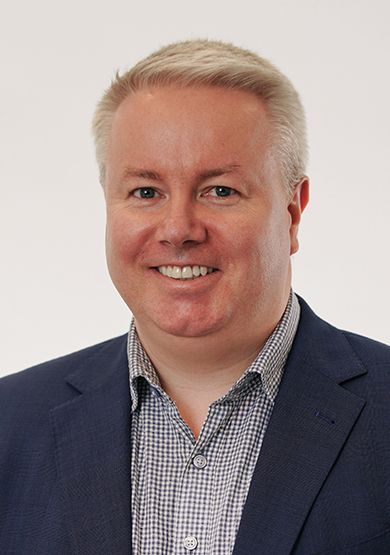
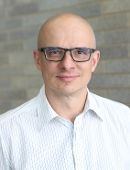
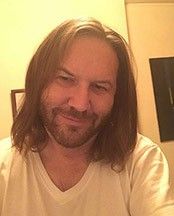
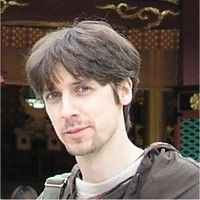
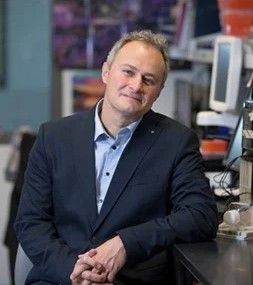
Michael Foster
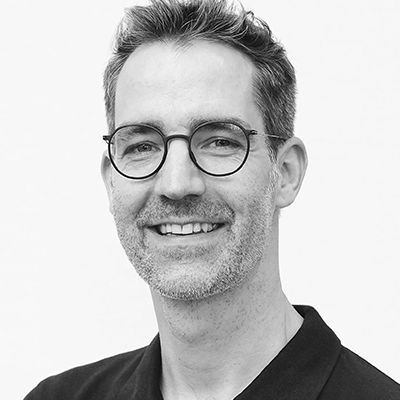
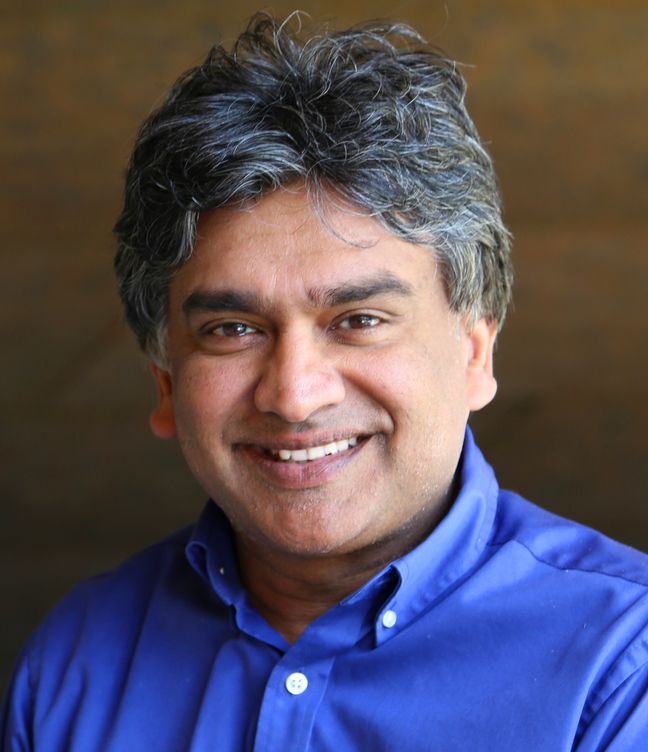
Bali PulendranStanford University, CA, USA

Dr. Bali Pulendran will speak to the systems biology of vaccination. With the emerging concept of trained immunity, there is enormous potential to develop novel vaccines as well as innovative vaccination strategies against a multitude of pathogens, especially for those that do not currently have successful therapies.

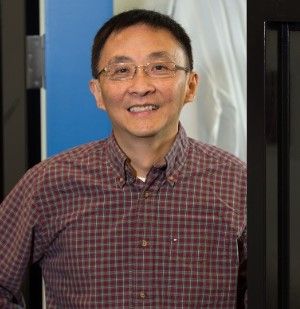
Dr. Mihai Netea
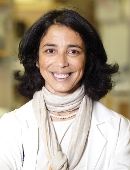
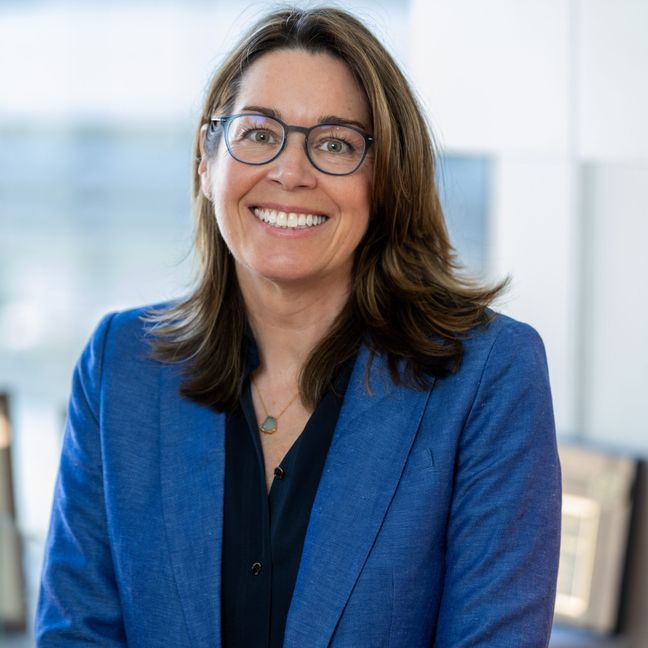
Miriam MeradMount Sinai School of Medicine, NY, USA
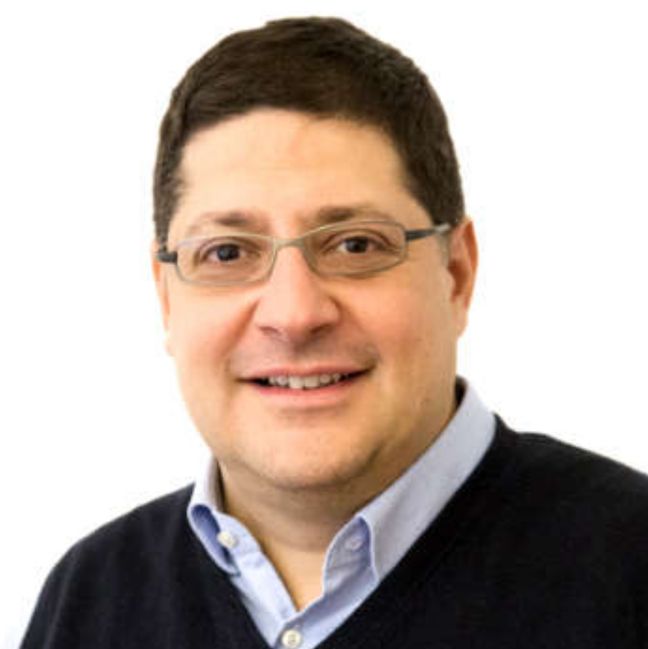
Dr. Miriam Merad is the Chair of the Department of Immunology and Immunotherapy, the Director of the Marc and Jennifer Lipschultz Precision Immunology Institute at Mount Sinai School of Medicine in New York and the Director of the Mount Sinai Human Immune Monitoring Center (HIMC). Dr. Merad is an internationally acclaimed physician-scientist and a leader in the fields of dendritic cell and macrophage biology with a focus on their contribution to human diseases. Dr. Merad identified the tissue resident  macrophage lineage and revealed its distinct role in organ physiology and pathophysiology.

Invited Speakers

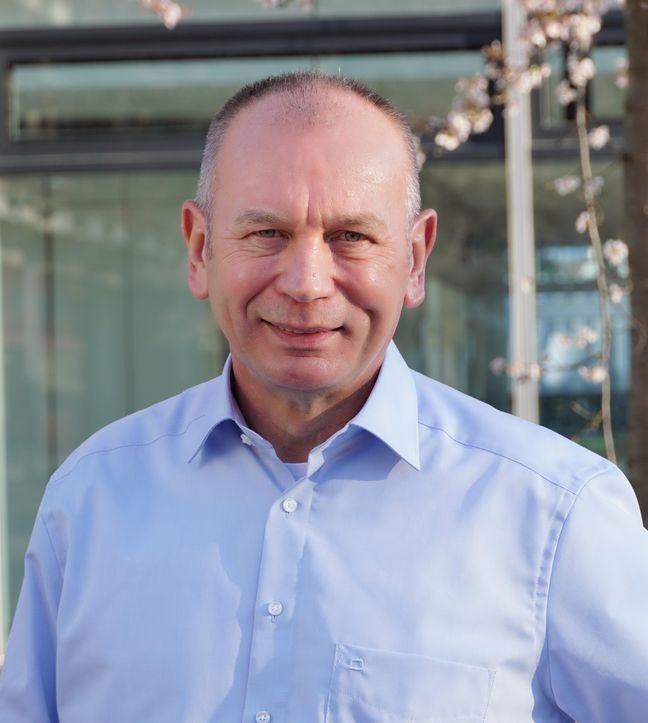
Triantafyllos ChavakisDresden University

Prof. Chavakis’ research uncovers key pathways linking inflammation, metabolism, and innate immune responses. His contributions have shaped the field of trained immunity, revealing how metabolic cues modulate myelopoiesis and immune memory.

Luis BarreiroUniversity of Chicago

Dr. Luis Barreiro's work pioneers the use of functional genomic data combined with population genetic tools to characterize the genetic and epigenetic basis of interindividual differences in immune response to infectious agents.

Uwe ConrathAachen University

Prof. Conrath studies how plants prime their immune systems for enhanced disease resistance. His lab combines fundamental research with biotechnology to improve sustainable plant protection and strengthen agricultural productivity.

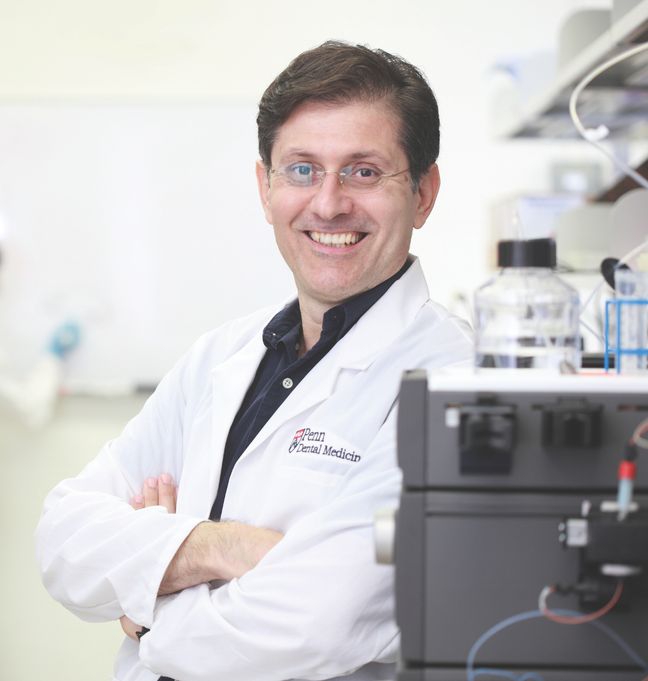
George HajishengallisUniversity of Pennsylvania

Dr. George Hajishengallis investigating how bacterial dysbiosis and immune memory at the gums can influence bone loss, metabolic disease and systemic health. His work bridges microbiology, immunometabolism and translational therapeutics.

Steven Zvi JosefowiczWeill Cornell Medicine

Dr Steven Josefowicz researches how epigenetic mechanisms regulate immune responses, especially how chromatin is rewired during stimulation, inflammation and immune memory.

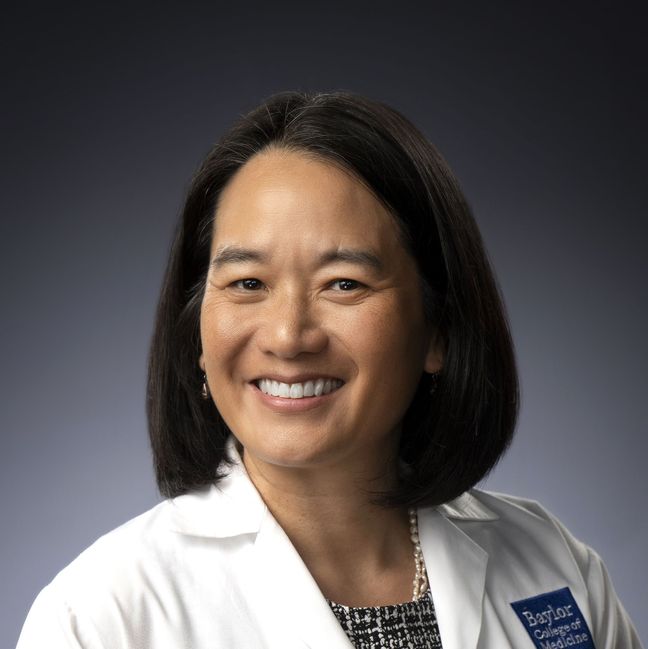
Katherine KingBaylor College of Medicine

Dr. Katherine Y. King is a pediatric infectious-disease physician-scientist whose lab studies how infection and inflammation reshape blood-stem-cell function and immunity.

Shabaana KhaderUniversity of Chicago

Dr. Khader investigates how cytokine and chemokine networks regulate protective immunity against pathogens such as Mycobacterium tuberculosis.

Kamal KhannaNew York University Grossman School of Medicine
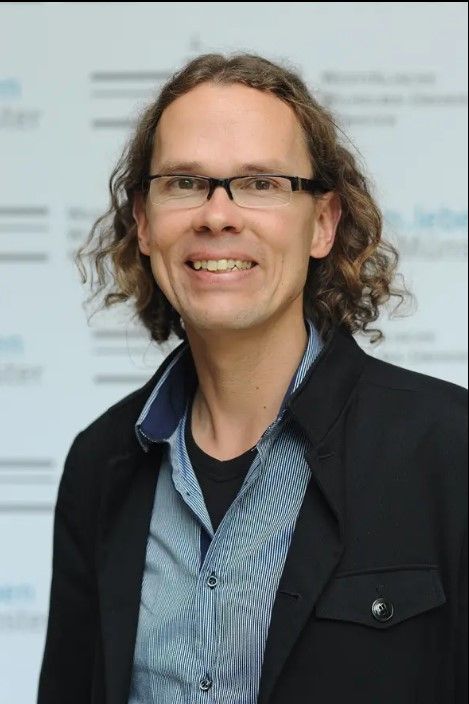
Dr. Khanna is an immunologist based at NYU Langone whose lab deciphers how tissue-resident macrophages and CD8⁺ T cells orchestrate immune responses in infection and cancer.

Joachim KurtzUniversity of Münster

Prof. Kurtz’s laboratory focuses on how immune defense systems evolve, particularly examining phenomena such as innate immune memory in invertebrates and how host-parasite dynamics drive immune innovation.

David LynnFlinders University

Dr. Lynn is a systems immunologist at Flinders University whose work integrates microbiome science, vaccine immunology and computational biology to redefine how the immune system is modulated by microbes in health and disease.

Musa MhlangaRadboud University

Dr. Mhlanga’s research explores how gene expression is controlled at the single-molecule level, tracking RNA, nuclear architecture and chromatin dynamics in living cells to uncover how cells respond during infection, immunity and metabolism.

Kathryn MooreNew York University Grossman School of Medicine
Dr. Moore's laboratory bridges immunology, lipid metabolism and vascular biology, uncovering how metabolic stress and innate immune signals drive chronic inflammation in cardiometabolic diseases

Shruti NaikNew York University Grossman School of Medicine
Dr. Naik's research probes how immune-tissue cross-talk controls health, regeneration and inflammatory disease. Her team has shown that commensal microbes calibrate tissue immunity and that epithelial stem cells retain a form of inflammatory “memory”

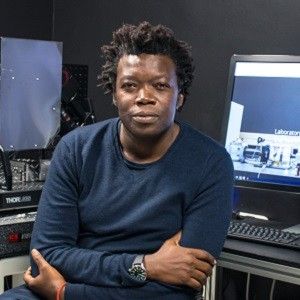
Basil PetrofResearch Institute of McGill University Health Centre
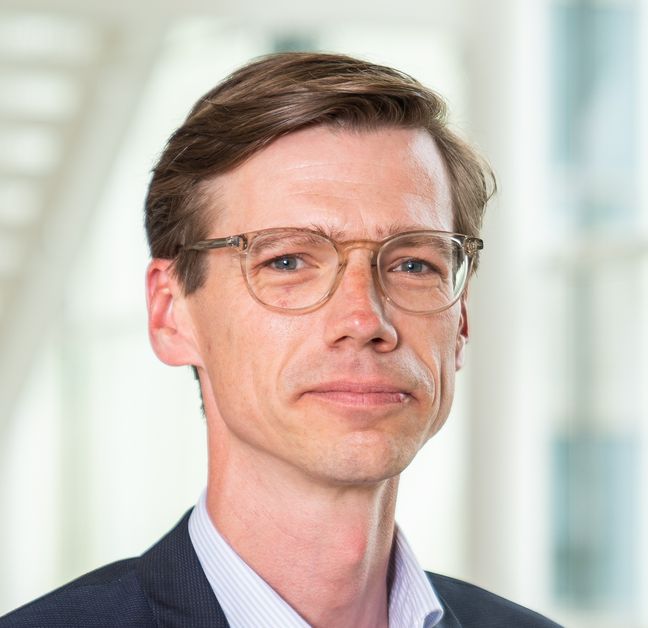
Dr. Petrof is a Professor of Medicine at McGill University and the Director of the Meakins‑Christie Laboratories. His research spans basic and clinical investigation into respiratory muscle dysfunction.

Niels RiksenRadboud University Medical Center

Prof. Riksen’s research explores how persistent activation and epigenetic “memory” in innate immune cells drive chronic vascular inflammation and atherogenesis.

Clinton RobbinsUniversity of Toronto

Dr. Robbins studies how immune cells, particularly macrophages, accumulate and proliferate within atherosclerotic plaques, diverging from the classical view of monocyte recruitment alone.

Fil SwirskiIcahn School of Medicine at Mount Sinai
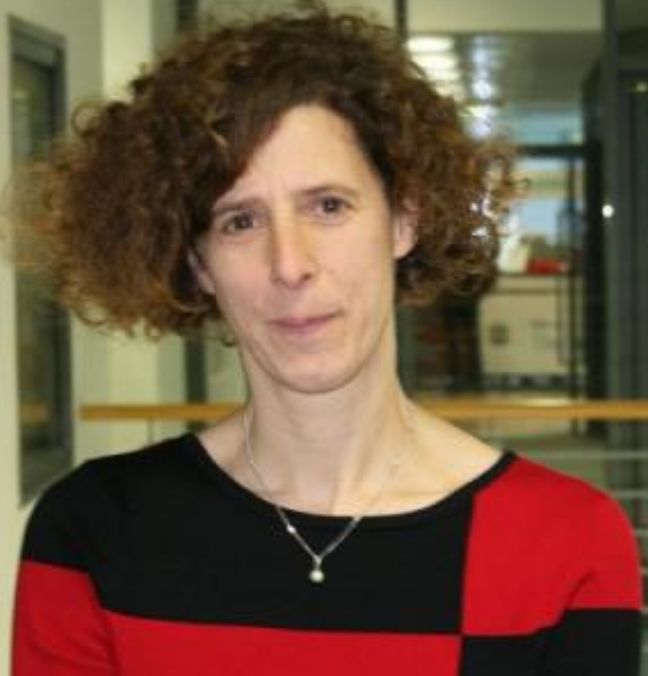
Dr. Swirski is a leading immunologist-cardiologist whose research connects immune cell development and inflammation to heart and metabolic disease

Sarah WalmsleyUniversity of Edinburgh

Prof. Walmsley’s lab investigates how neutrophils navigate hypoxic and nutrient-poor environments in the lung to either protect the host or drive damaging inflammation.

Zhou XingMcMaster University

Prof. Xing leads a translational immunology program examining how lung macrophages, T-cells and mucosal vaccination converge to drive durable protection and innate immune memory in the respiratory tract.

Keke FairfaxUniversity of Utah

Dr. Fairfax broadly focuses on using the helminth parasite Schistosoma mansoni as a tool to understand both, the relative contributions of schistosome antigen vs IL-4 in inducing host immuno-modulation, and the complex interplay between lymphoid and stromal cells necessary to develop an optimal T and B cell memory response

Oliver SoehnleinUniversity of Münster

Dr. Soehnlein’s research focuses on understanding the role of myeloid cells in vascular inflammation. Based on this understanding he aims at designing tailored therapeutic approaches.

Meet the Editors of Top-Tier Journals

Jamie WilsonNature Immunology (Chief Editor)
Zoltan FehervariNature (Senior Editor)
Kavitha ScrantonCell Immunity (Senior Editor)
Cheri SiroisCell (Senior Editor)

Frequently Asked Questions

Find quick answers to common questions about the conference.

Head over to our registration page, and complete the online form. Select your ticket type, provide the required information, and submit payment to secure your spot.

The conference schedule will be available on the website. It includes a detailed list of sessions and keynote speakers. Check the schedule regularly for updates and changes.

Yes, there are hotels and accommodations close to the conference venue. Please visit our Travel Information page for more details.

Yes, you can submit a presentation proposal during the open call for abstracts. Visit the 'Submission' page on the website, and follow the submission guidelines provided. We will accept abstracts for oral and poster presentations.

Meet our Organizing Committee

Maziar DivangahiResearch Institute of McGill University Health Centre
Prof. Divangahi is a senior scientist and leading pulmonary immunologist at McGill University whose research explores innate immune memory, hematopoietic stem-cell reprogramming and host defense in lung infections

Eva KaufmannResearch Institute of McGill University Health Centre
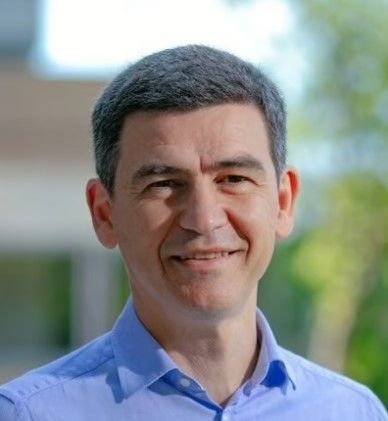
Dr. Kaufmann’s research program explores the role of hematopoietic stem cells and trained immunity in allergic diseases. Her work focuses on respiratory allergies affecting both the upper and lower airways, including allergic rhinitis and asthma

Mihai NeteaRadboud University

Prof. Netea is a leading international immunologist and physician-scientist whose pioneering work on trained immunity has changed how we view innate immune memory, inflammation and host defense

Our Sponsors

We are grateful to our sponsors who made this conference possible.

Location

La Plaza Centre Ville, Montreal, Canada

777 Boulevard Robert-Bourassa

Montréal, Québec

Canada, H3C 3Z7

Dates

Registration period:

October 29, 2025 - 8:00 PM EDT - August 31, 2026 - 9:00 PM EDT

Submission period:

October 29, 2025 - 3:00 PM EDT - June 1, 2026 - 9:00 PM EDT

Contact us

If you have any questions, please contact shahin.bolorihanafi@mail.mcgill.ca

Powered by
Run your next event
with Fourwaves