A drone shot of the many buildings that make up the Bamfield Marine Sciences Centre

The 3rd Biennial World Congress of Marine Stations

The Bamfield Marine Sciences Centre
September 1-4, 2026

Welcome

The World Congress of Marine Stations (WCMS), organised biennially by the World Association of Marine Stations (WAMS), plays an essential role in advancing the work of around 900 marine stations worldwide. This congress provides a critical forum for fostering collaboration, sharing expertise, and establishing partnerships that enhance transformative marine research and education.

Key dates WCMS 2026

Abstract Submission Deadline: Friday May 22nd, 2026

Abstract acceptance: First 2 weeks of June

Registration Dates: TBD

More about WCMS 2026

WAMS has successfully convened two congresses, including the first Congress online in 2021 and the first in-person meeting in Japan in November 2024. These meetings have been instrumental in bringing together representatives from marine stations across the globe to discuss pivotal issues related to ocean health and sustainability.

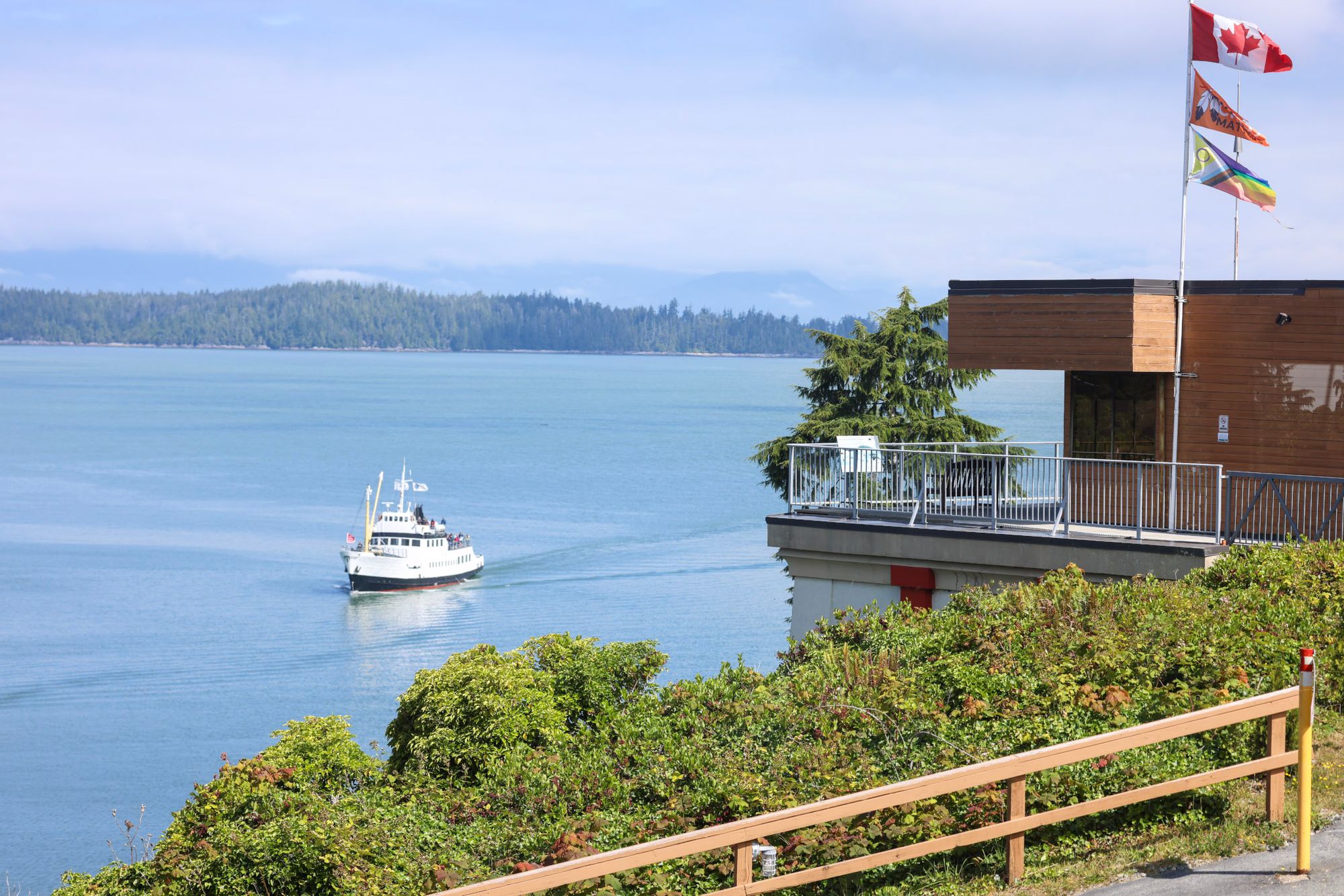
The congress is scheduled for September 1st - 4th 2026 hosted by the Pacific Marine Science Alliance (PMSA) at the Bamfield Marine Sciences Centre (BMSC) in Canada. It will continue to build on the foundation of previous meetings, focusing on global collaboration and the exchange of scientific knowledge to address pressing marine environmental and societal challenges.

Given the congress program and themes for the WCMS 2026, the call for abstracts is the first step before registration. Pending acceptance of the abstract by the LOC, registration will open.

The LOC is thrilled to announce we have opened our call for abstracts. Please see more below!

Congress Themes

The Congress will focus on five core themes, addressed through a Plenary session (1.5 hours presentations) and a Breakout session (1.5 hours in groups of <12). We want to highly emphasize that each of our topics will be centered around what marine stations can do to tackle these problems. It isn’t just another general ocean science approach, but how marine stations are uniquely positioned to tackle these issues.

1. Oceans and Human Health

This theme explores the deep connections between ocean systems, human well-being and the importance of place-based marine station platforms to support advances in this area. Topics include marine biomining, ecological hazards, food safety, and the role of coastal ecosystems in supporting physical and mental health. Breakout sessions will discuss ways marine stations provide critical coastal observatories where environmental monitoring, biomedical discovery, and ecosystem health research intersect to better understand how changing oceans influence human health and resilience.

2. Ocean Innovation and Bioeconomies

Oceans are a frontier for sustainable innovation, supporting emerging blue bioeconomies based on marine biotechnology, aquaculture, biomaterials, and ocean technology. This theme highlights how marine stations enable discovery-to-application pathways by providing access to marine biodiversity, experimental facilities, and partnerships with industry and entrepreneurs. Discussions will focus on translating marine research into sustainable economic opportunities while safeguarding ocean ecosystems.

3. Community, Education and Culture

Marine stations serve as powerful bridges between science and society. This theme examines how stations support experiential education and place-based learning, workforce development, community partnerships, and collaborations with their local and/or Indigenous coastal communities. Discussions will explore the cultural dimensions of ocean stewardship, emphasizing inclusive knowledge systems, public engagement, and the role of marine stations in inspiring future generations of ocean leaders.

4. Marine Stations as Distributed Research Platforms

Marine stations form a global network of coastal research infrastructure that enables long-term observation, experimentation, and rapid response to emerging ocean challenges. Acting as distributed scientific platforms, stations, through both physical and cyberinfrastructure, connect researchers, datasets, and technologies across regions and disciplines. This theme includes data governance and standards and will examine how coordinated networks of stations enhance collaborative science, environmental monitoring, and global research capacity in an era of accelerating ocean change.

5. Ocean Policy

Effective ocean stewardship requires strong connections between science, governance, and decision-making. This theme focuses on how marine stations contribute to evidence-based policy through environmental monitoring, advisory roles, and partnerships with governments and international organizations. Discussions will address how station-based science can inform marine conservation, sustainable resource management, climate adaptation, and global ocean governance frameworks.

Program

See our draft program. More details on timing of themes to come soon.

Location

The Bamfield Marine Sciences Centre

100 Pachena Road

Bamfield, British Columbia

Canada, V0R 1B0

Dates

Submission period:

March 26, 2026 - 12:00 AM EDT - May 23, 2026 - 12:00 AM EDT

Contact us

If you have any questions, please contact director@bamfieldmsc.com

Powered by
Run your next event
with Fourwaves