PBC Conference 2025
Welcome to the 20th Pacific Basin Consortium for Environment and Health International Conference.
The PBC organizing committee is happy to welcome you to the 20th International conference website!
Theme: Bidirectional interactions between climate and health.
Date: 28-31 May 2025
Venue: Caravelle Hotel, Ho Chi Minh City, Vietnam.
Please note Caravelle is a non smoking venue.
https://www.caravellehotel.com/home-3/
The conference will bring together scientists, engineers, policy makers, industry representatives, government officials and students to present research in areas relevant to human and environmental health and discuss effective, affordable solutions.
This conference will be delivered in hybrid mode, with Plenary sessions delivered in person and virtually.
You are able to explore the content, see participant lists, register & pay for registration and submit an abstract directly through this website.
Please note there is NO onsite registration, all participants must register on the website.
International conference program_printable version - please check regularly for updates
https://pacificbasin.org/conferences-2/2024-international-conference/
Abstract submission: Submissions for consideration for Oral Presentation have a deadline of 07 April 2025. Poster presentations are welcome and have a deadline of 25 May 2025.
Abstract and Poster Presentation Guidelines can be found here.
Funding for this conference was made possible (in part) by 1R13 ES036854-01 from the National Institute of Environmental Health Sciences. The views expressed in written conference materials or publications and by speakers and moderators do not necessarily reflect the official policies of the NIH;nor does mention by the trade names, commercial practices, or organizations imply endorsement by the U.S. Government.
Field Trip - Ho Chi Minh City Walking Tour.
Participants wishing to join should register using the following link form: https://forms.gle/MvLmQUTm5BxHYp3F8
Date: 31 May 3-6 pm
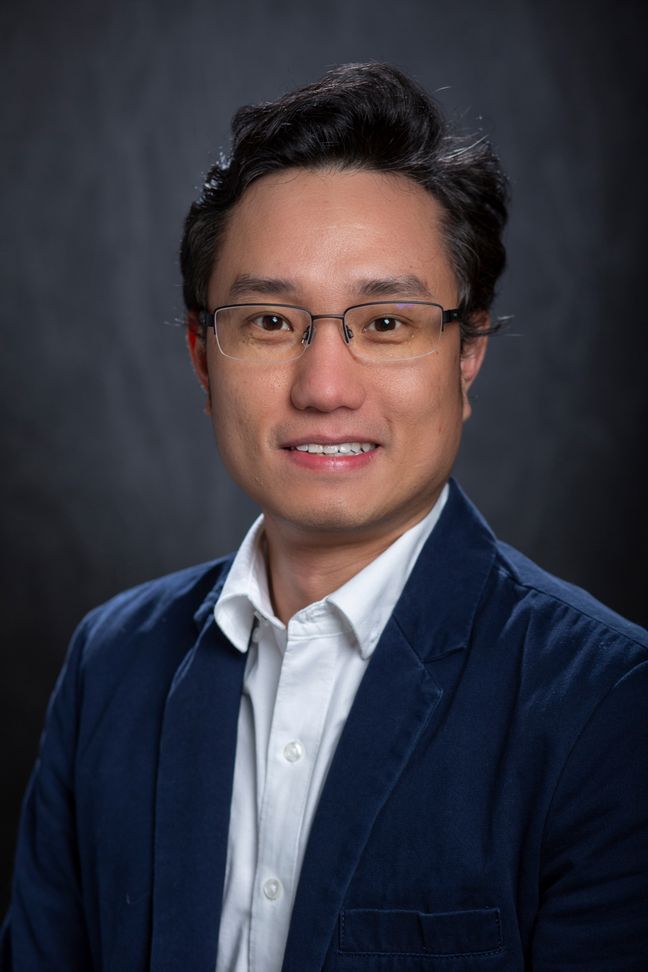
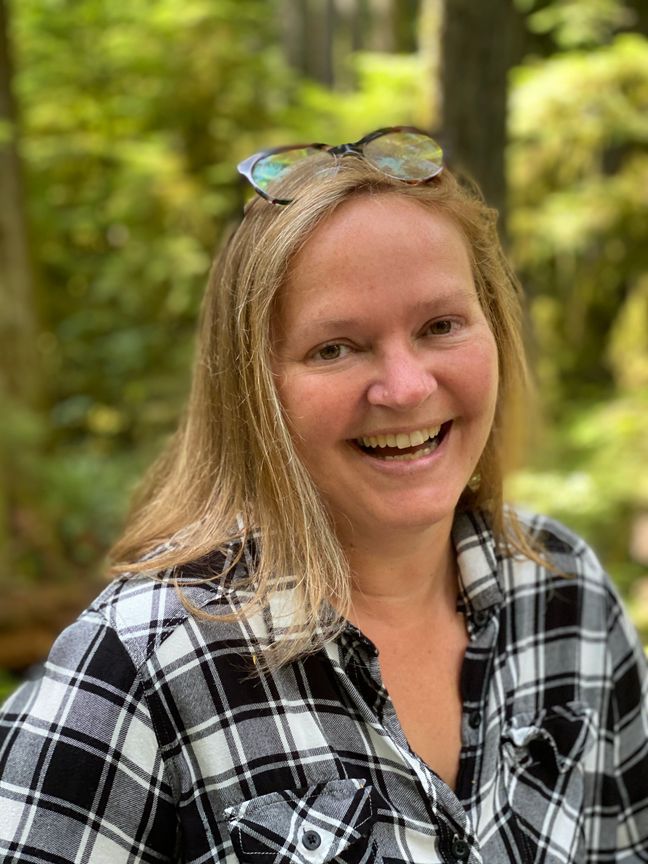
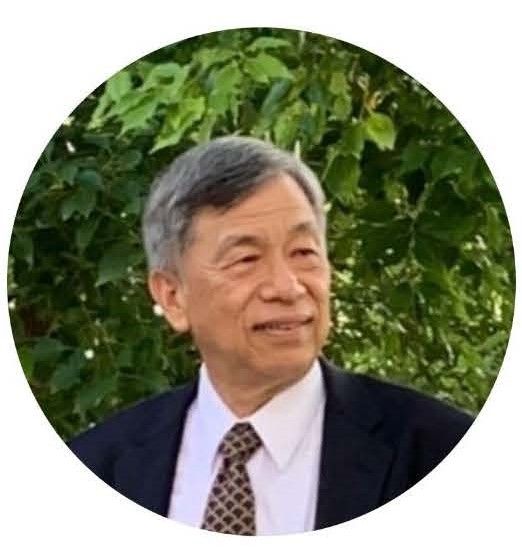
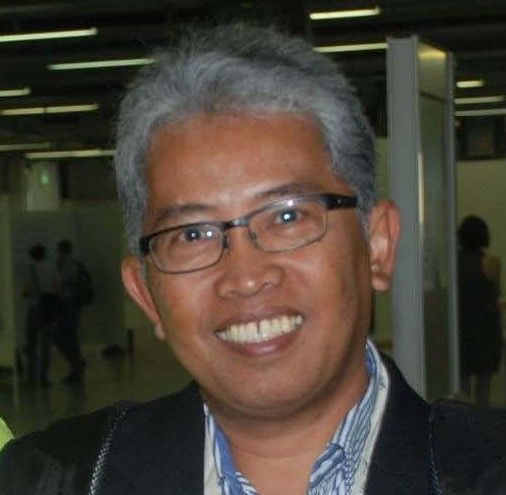
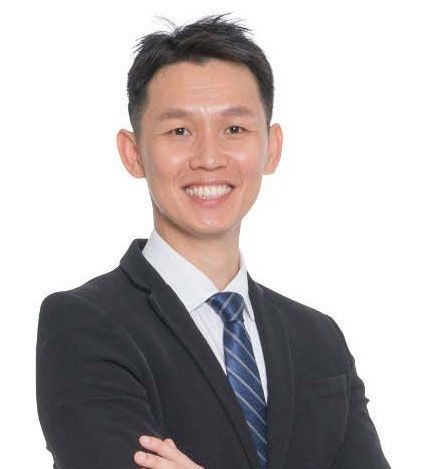
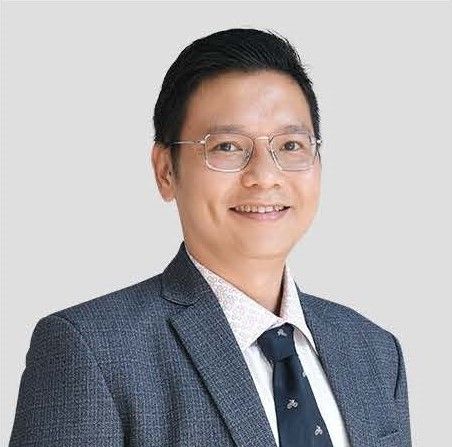
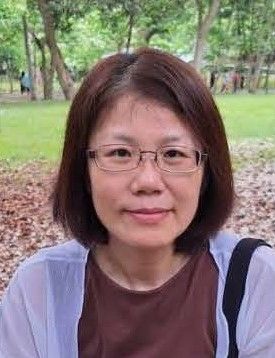
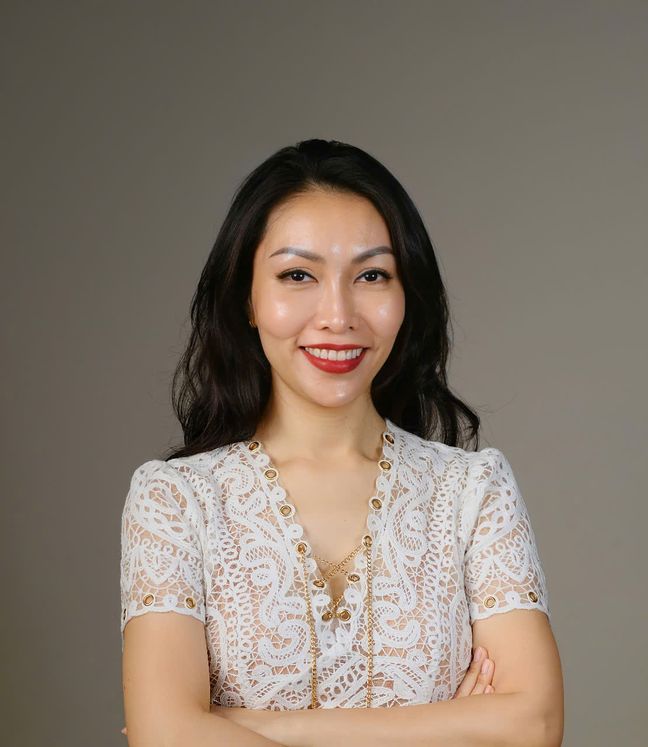
Meet our conference hosts

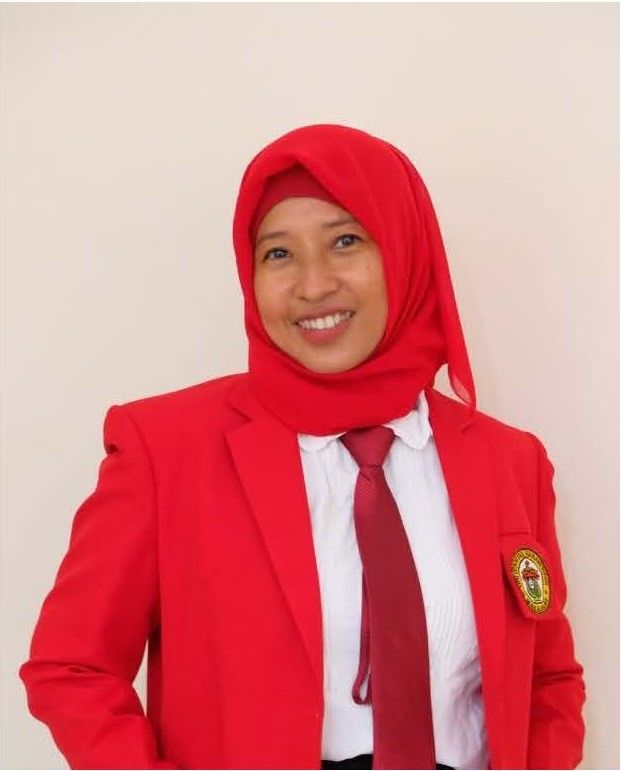
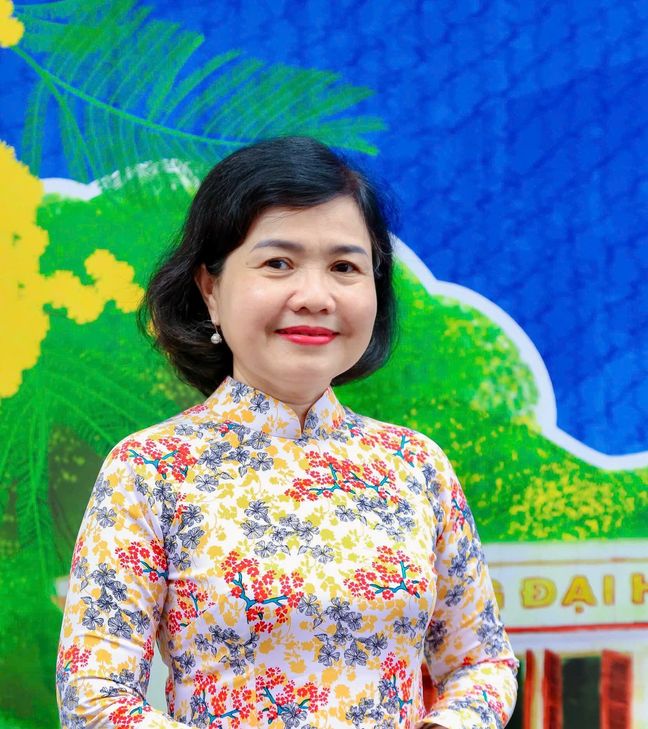
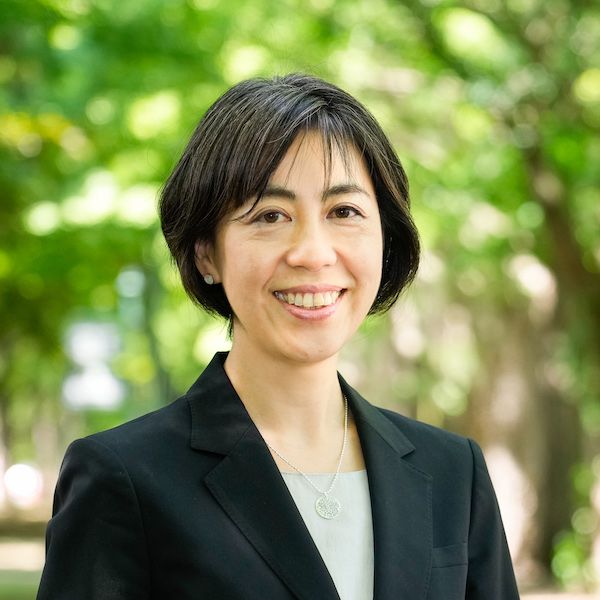
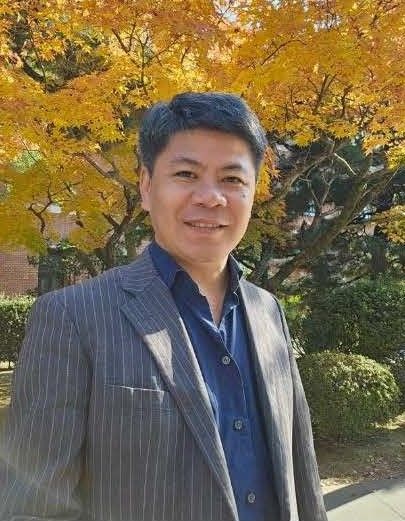
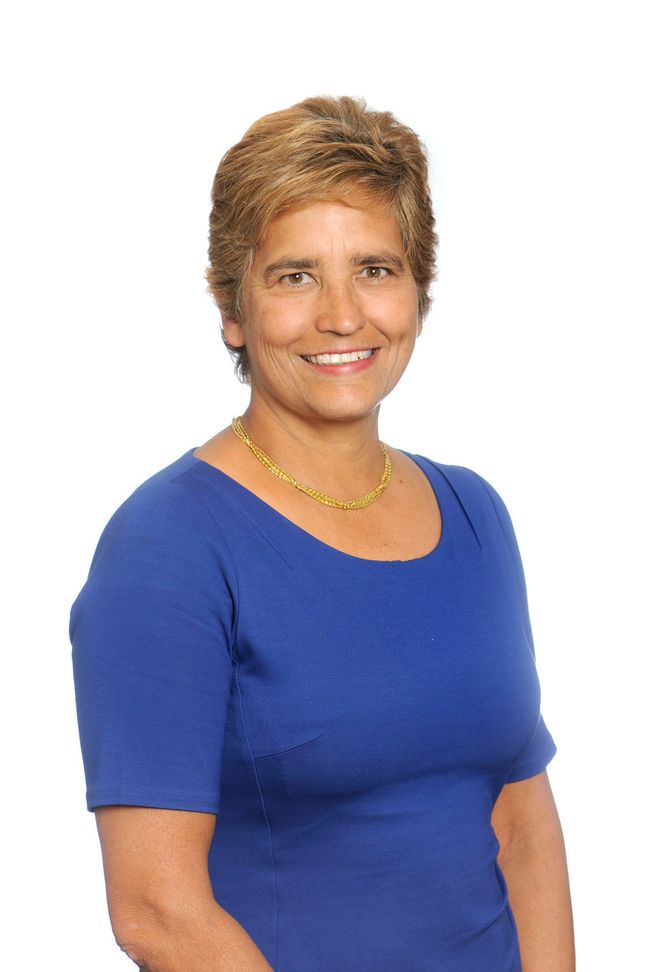
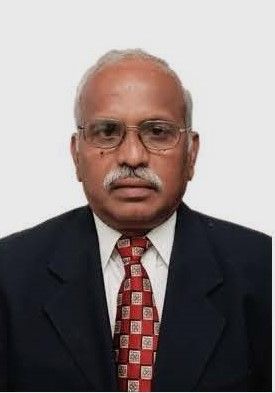
Director, Research Center for Infectious Diseases, International University, VNU-HCMC
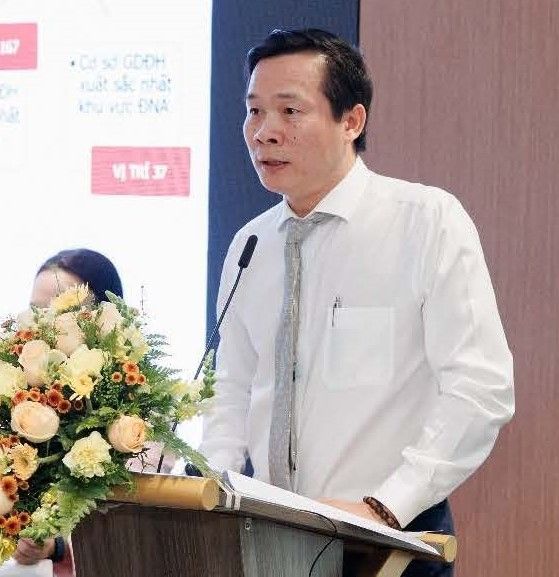
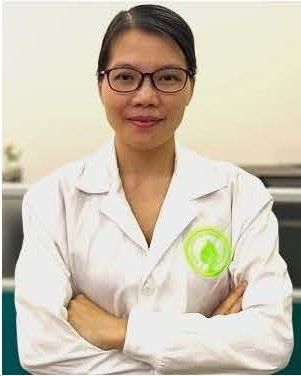
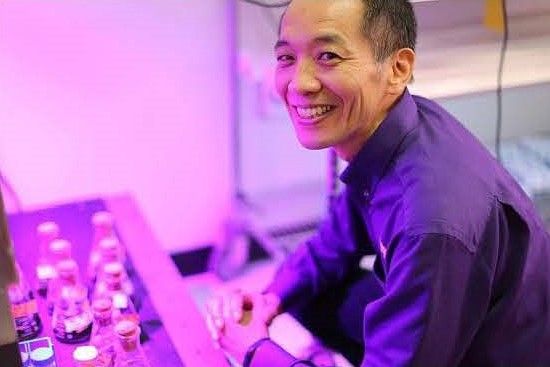
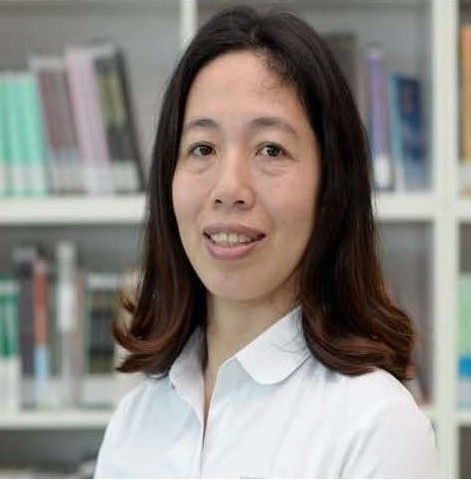
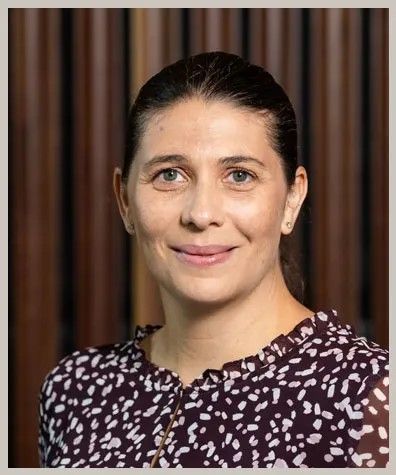
Head, Applied Biotechnology for Crop Development Research Unit, International University, VNU-HCM
Dr. Nguyen Phuong Thao earned her Master’s and PhD degrees in Biology from the Nara Institute of Science and Technology (NAIST), Japan, in 2005 and 2008, respectively. After returning to Vietnam in 2008, she began her career as a lecturer at the School of Biotechnology, International University, Vietnam National University-Ho Chi Minh City (VNU-HCM). In 2021, she was appointed Director of the Research Center for Infectious Diseases at VNU-HCM.
Dr. Thao's research primarily focuses on molecular biotechnology, genetic engineering, and cell signal transduction. She is particularly interested in crop improvement and the study of bioactive compounds from medicinal plants, including their identification and characterization for potential disease treatment and health benefits. Thao has actively involved in publications, projects and grants, and conference organization, both domestically and internationally, and has authored and co-authored numerous articles in top-tier journals.
In addition to her research, Dr. Thao serves as a senior advisor to CropLife International and various agricultural companies. She has also contributed to several editorial boards of both domestic and international journals, including serving as Deputy Editor-in-Chief of the VNU-HCM COVID-19 Newsletter. She played a role in the HCM City advisory team on COVID-19 prevention and economic recovery.
As a result, she has archived numerous honors and awards. These include Outstanding Publication Awards from VNU-HCM for many years, the Notable Women in Science and Technology Award from the People’s Committee of Ho Chi Minh City in 2016, the 100 Outstanding Women of Vietnam Award from the Vietnam Women’s Union in 2017, the Notable Teachers of Ho Chi Minh City Award from the People’s Committee of Ho Chi Minh City in 2017... She also received a Certificate of Merit for her contributions to science and technology from the Ministry of Science and Technology in 2022.

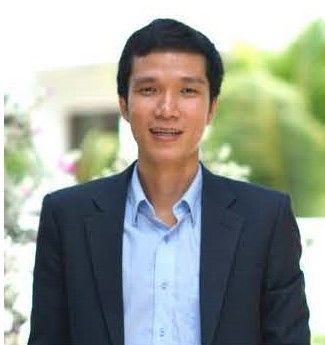
Dr. Luan Vu is an Assistant Professor in the Department of Molecular Microbiology and Immunology at the University of Texas at San Antonio (UTSA). His research focuses on immunology and infectious diseases, including RSV, SARS-CoV-2, Dengue, and Hantavirus.
While at the Pasteur Institute in Ho Chi Minh City, Dr. Vu made significant contributions to Hantavirus research, being the first to describe a case of Hemorrhagic Fever with Renal Syndrome in Southern Vietnam and linking Seoul virus to clinical cases. He also led molecular phylogenetic studies on Dengue, providing critical insights into the virus’s evolution and transmission.
Dr. Vu earned his PhD from The University of Sydney, where he investigated the immunopathogenesis of Dengue encephalitis. His doctoral work advanced the understanding of immune mechanisms underlying severe Dengue disease.
At UTSA, Dr. Vu employs cutting-edge immunological and multi-omics approaches to study early-life immune responses and develop novel therapeutic strategies. A recipient of the Parker B. Francis Fellowship, his research has been widely recognized, with publications featured as highlights in leading journals. He remains committed to mentoring future scientists and fostering interdisciplinary collaborations.

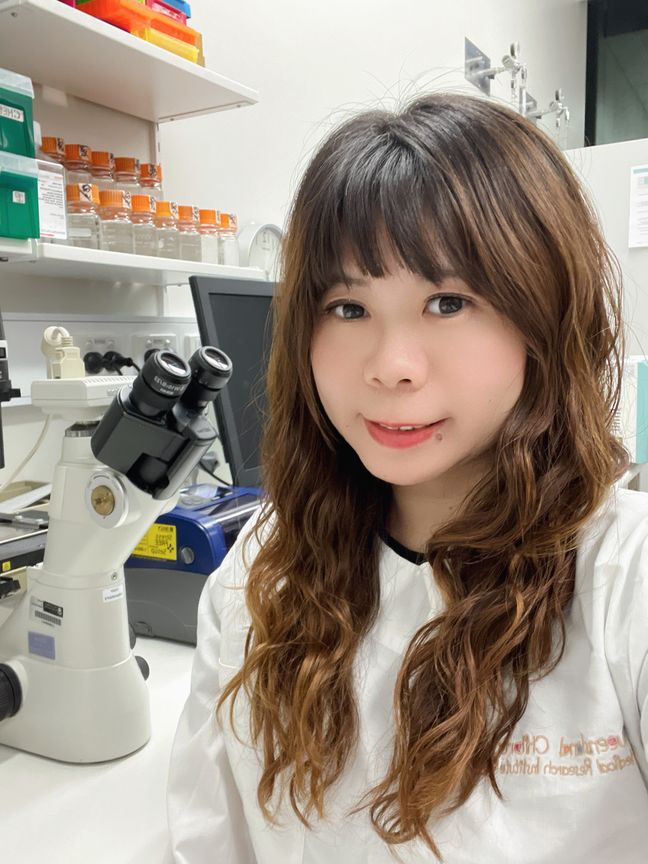
Huynh Kim Lam received his B.Eng. in Chemical Engineering at the Ho Chi Minh City University of Technology. He earned his Ph.D. degree in Physical Chemistry at the University of Utah, USA. He has been trained and worked as a postdoctoral research associate at the University of Michigan, Ann Arbor, MI, USA, and Colorado School of Mines, Golden, CO, USA. He is currently an Associate Professor at the International University, VNU-HCM. He has been interested in multiscale interdisciplinary modeling/simulation of complex chemical systems with a focus on atmospheric chemistry, combustion of alternative fuels, and materials design. He is also working on scientific software development on high-performance computing (HPC) platforms. He is the author and co-author of more than 100 ISI papers, 30 conference papers/talks, and 05 scientific software. He has been the recipient of a variety of awards for many years, including the VNU-HCMC Excellent Scientific Award, the VNU-HCMC Scientific Award, and the VEFFA Science Award. Also, he is a member of the Scientific Chemistry-Related Committee of the National Foundation for Science and Technology Development (NAFOSTED) (2017-2019, 2020-2022, 2023-2025), Interdisciplinary Scientific Committee of the Vietnam National University - HCMC (2017-2022) and the Scientific Advisory Board of the Institute for Computational Science and Technology (ICST) (2014-2018).
Meet our speakers and our session chairs

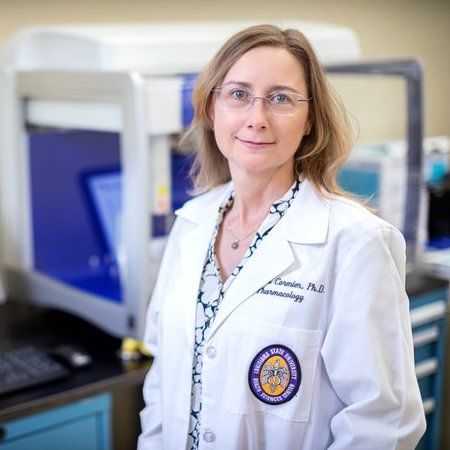
Dr Stephania Cormier is the Wiener Chair Professor of biological sciences at Louisiana State University and Pennington Biomedical Research Center. In addition, Dr Cormier is an honorary professor in child health at the University of Queensland, is the current chair of the Board of Directors of the Pacific Basin Consortium for Environment and Health.
Dr Cormier’s research focuses on the effect of exposure to environmental factors early in life on the predisposition for respiratory diseases in adults. Additionally, she was instrumental in responding to the emergence of COVID-19, heading the testing lab that serviced 18 facilities and first responders across Louisiana in the first months of the pandemic. As the director of the LSU Superfund Research Center, she is responsible for the coordination of several programs aimed at bettering public health for environmental mediated disease and pathologies. Through her work, she builds resilience in the communities through public engagement of those most at-risk - especially living near superfund sites where hazardous wastes are remediated and/or environmental exposures are more frequent.
Her research has continued to shed light on the initiators of the immune and pathophysiological changes that occur during early stages of pulmonary airway disease to ultimately develop effective interventions and therapies. As such, Dr Cormier is uniquely situated at the nidus of basic, translational, and operational support research.

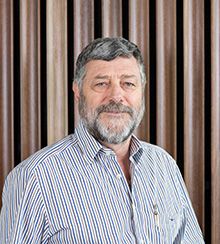
Professor Peter Sly is a former Chairman of the Board of Directors for the Pacific Basin Consortium for the Environment and Health, Director, Children’s Health and Environment Program and Director, WHO Collaborating Centre for Children’s Health and Environment. Professor Sly is a NHMRC Senior Principal Research Fellow and a paediatric respiratory physician with extensive research experience in respiratory physiology, developmental immunology and children’s environmental health.
Professor Sly’s research aims to understand the mechanisms underlying chronic childhood lung diseases in order to improve clinical management and to delay or prevent their onset, with consequent reductions in adult lung diseases. A combination of basic science, longitudinal cohort studies and translation of research findings into clinical practice, including clinical trials, are included in three main areas: children’s environmental health, asthma, and cystic fibrosis.

Hasnawati Amqam graduated master program from Urban Environmental Management in Wageningen University, The Netherland and Doctorate Program of Public Health, University of Indonesia. She is an associate professor in the Department of Environmental Health, Faculty of Public Health, Hasanuddin University, Indonesia, focusing on Environmental health toxicology. She is now the Head of Bachelor of Public Health Study Programme and the Director of Environmental Toxicology and Health (EtoxH) Research Group in Hasanuddin University.
Her research interest is in the effect of pollutants, especially heavy metals and microplastics, to mother and children health. She also interest in Physiolcogically-based Toxicokinetic (PBTK) Modelling of some chemical pollutant in mother and children . She got some research grants for environmental chemical cohort study on mother and health in Indonesia.

Professor Pham Le An holds an MD and a PhD degree in Pediatrics from University of Medicine and Pharmacy at Ho Chi Minh City, Vietnam, and serves as the President of the Vietnamese Association of Family Medicine. He completed his fellowship in faculty development and Familymedicine at the University of California, Irvine.
Dr. An founded the Family Medicine Training Centre at UMP Ho Chi Minh City in 2000, where he has been actively involved. He developed the Electronic Medical Record for the Family Medicine system, holding one patent. Additionally, he implemented E-mentor systems in Family Medicine practical sites to enhance Family Practitioner performance and professionalism. Dr. An has owned one patent, authored 18 local books and 151 research articles published in local and international journals, covering areas such as Mental Health, Pediatrics, Family Medicine, Medical Education, Air pollution, and Vaccination.
As an active teacher-clinician, Dr. An plays a central role in the teaching of both graduate and postgraduate medical students, drawing from his extensive experience in emergency care and primary care practices.
Professor An has spearheaded international collaborations to develop Family Medicine in Vietnam, including projects with the USA (AP2 project), Belgium (PIC project), Australia (MUS research project), South Korea (National Seoul University), and IPCRG (HORIZON 2020 Fresh Air research project). He serves as an Editorial Board member of the Korean Family Medicine Journal, PLOsOne and is an active director of the Grant and Innovation Center at UMP, promoting frugal innovation in health science.

Position: Associate Professor (2016-present). He is:
+ Director of Air Pollution and Climate Change Research Center (APAC) /Institute for Environment and Resources (IER)/ Vietnam National University Ho Chi Minh City (VNU-HCM).
+ Director of Institute for Leadership Development of VNU-HCM;
+ Vice - Director of Academic Affairs Department of VNU-HCM;
+ He is also consultants for Clean Air Asia (CAA), GIZ, ADB, WorlBank, SNV, JICA, etc on air pollution and climate change research fields.
Qualifications:(1) Ph. D., 2010, of Environmental Science at the Swiss Federal Institute of Technology in
Lausanne (EPFL), Switzerland; (2) Master, 2005, Master of Environmental Science at the Swiss Federal
Institute of Technology in Lausanne (EPFL), Switzerland; (3) Bachelor, 2001 chemistry at the University
Sciences Natural Tp.HCM, VNU - HCM, Vietnam
Research Field: Modeling; Air Pollution; Climate Change Adaptation and Mitigation.
Awards and Recognition: 2012-2020 Excellence researcher for international publication of Vietnam National University in HCMC, Vietnam; 2011, 2013 Outstanding Youth Researcher of VNU-HCM; 2020-2021 and 2022-2023: Excellent research project and application of VNU-HCM.
Research Supervision: supervisor: 3 PhDs (on-going) and 45 Master students
Major R&D Projects: (Total: 62 projects)
Publications: Total: 04 books, 03 book chapters, 52 international journal papers (including ISI papers), 53 conference papers (in conferences/workshops);

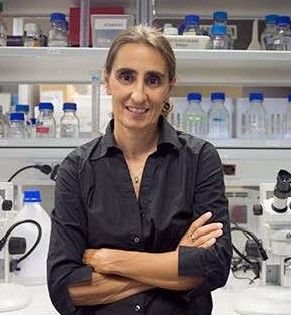
A molecular biologist by training, Federica is specialized in the study of early development of amniote embryos, working on basic questions related to the molecular mechanisms driving early development of chick and reptile embryos.
At some point in her career, Federica started developing a parallel line of research driven by the interest for environmental bioremediation by biological methodologies, with a special interest towards plastic pollution. Federica discovered that the larvae of Lepidoptera Galleria mellonella (wax worms) are capable of fast degradation of polyethylene (PE) the most resilient and also produced plastic material in the world.
Recently, in F.B laboratory the first enzymes capable of degrade un-treated polyolefins (called PEases) were discovered: these are enzymes produced by the larvae and capable of degrading PE within a few hours from exposure. The study of these new enzymatic activities, in view of potential applications towards mixed plastic upcycling, constitute her current topics of research.

Dr Heather Castleden (she/her) is the President’s Impact Chair in Transformative Governance for Planetary Health and a Full Professor in the School of Public Administration at the University of Victoria. She is a white settler scholar, with ancestral roots in Scotland and England.
Dr Castleden is trained as a human geographer, and she has been doing community-based participatory health research in solidarity with Indigenous Peoples for over two decades. She is a former Canada Research Chair (2016-2021), Fulbright Scholar (2020-2021), and an elected member of the Royal Society of Canada’s College of New Scholars, Artists, and Scientists (2021-2028). She has co-authored over 100 peer-reviewed articles, book chapters, and commissioned reports, and she now sits on several Editorial Boards for journals in her field.
Dr Castleden is the Co-Director of the ‘A SHARED Future’ research program, which focuses on bringing forward stories of Indigenous leadership in healthy lands and healthy peoples through renewable energy across Canada and she is the Co-Director of the ‘Archipelagos of Indigenous-led Resurgence for Planetary Health’ research program, which focuses on support for existing and emerging place-based, Indigenous-led resurgent practices for the health of the land, the water, the air, and all living beings. Dr Castleden is the Scientific Director of the Health, Environment, and Communities Research Lab (HEC Lab), which focuses on reconciliatory, respectful, reciprocal, and responsible community-led participatory research.
The HEC Lab is committed to equity-oriented projects that apply social, environmental, and health lenses, and their work comes together through the intersections of cultures, places, power/resistance, and relational ethics using innovative, participatory, and decolonizing research methodologies.
Dr Castleden’s latest endeavour is co-hosting, with DrHōkūlani Aikau, a new Podcast called Indigenous Planetary Health.

University Chair Professor Moo-Been Chang
Education:
Ph.D., University of Illinois-at Urbana-Champaign, U.S.A., Environmental Engineering (1991)
M.S., University of Illinois- at Urbana Champaign, U.S.A., Environmental Engineering (1985)
Research Expertise: Air Pollution Control, Waste Management
Fields of Interest:
Investigation on the Dioxin Formation and Removal Efficiencies in Municipal Waste Incinerators (MWIs) and Steel Industries
Conversion of Greenhouse Gases via Plasma Catalysis
Development of Effective Catalysts for Reducing VOCs and NOx Emissions
Characterization of Mercury, PAHs, and PM Emissions from Coal-fired Processes

Dr. Nguyen Thanh Dien, currently is a Head of Science Office at Tan Tao University, Vietnam. He earned a Doctorate in Environmental Engineering from Kyoto University. Dr. Dien's research interests are centered on economic losses and damages by climate change, mitigating air pollution from biomass waste, and converting it into value-added products.
He has published several papers in top-tier journals in the field of environmental sciences and has served as the managing editor of TTU Review, as well as a referee for numerous international journals such as Environmental Pollution (Elsevier) and Journal of Material Cycles and Waste Management (Springer).

Dr. Le Thai Ha is Deputy Director of Viet Nam Administration of Disease Prevention (VADP),Ministry of Health, Vietnam
She has 30 years working experiences in charge of Environmental Health Community, Children Environmental Health, Climate change, Air Pollution, water and wastewater management.
She is a Vietnam MOH’ Focal points to the ATACH, JLN Climate-Smart Health Systems Collaborative of WB as well as Children Environmental Health Collaborative of UNICEF.
She is a National consultant of WHO, UNICEF, UNDP in climate change, water quality, air pollution and Children Environmental Health in Viet Nam
Improving living condition for both human and environmental is her ambition in working.

Professor Budi Haryanto is a Professor of Environmental Health at the Faculty of Public Health, Universitas Indonesia (UI), and serves as the Director of UI’s Research Center for Climate Change.
He has been a member of the Board of Directors of the Pacific Basin Consortium on Environment and Health since 2008, a committee member of the International Society for Environmental Epidemiology (ISEE) since 2020, a Fellow of the Collegium Ramazzini since 2020, and an Honorary Visiting Professor at the Global Research Centre, University of Canberra for the 2024-2025 term.

Assoc. Prof. Dr. To Thi Hien is a senior lecturer at the Faculty of Environment, University of Science, Vietnam National University Ho Chi Minh City (VNUHCM). She is currently the Head of the Department of Environmental Technology and has over 17 years of experience in research and education in Environmental Chemistry.
Dr. To Thi Hien obtained her Ph.D. in Environmental Chemistry from Osaka Prefecture University, Japan, in 2007 and was awarded the title of Associate Professor in 2016. She leads the research group “Air and Water Pollution - Public Health - Climate Change” (AIWAH), which is affiliated with Vietnam National University Ho Chi Minh City. Her research focuses on the sources, fate, and behavior of contaminants in aquatic and atmospheric environments, including heavy metals, toxic organic compounds, polycyclic aromatic hydrocarbons (PAHs), pesticides, dioxins, emerging contaminants, and microplastics. She also studies biomarkers of pollutants, their effects on human health, and the development of pollutant removal methods.
Dr. Hien has participated in and led several international research. She has published over 70 international and 45 national peer-reviewed scientific papers, along with two book chapters. She has been a member of the International Global Atmospheric Chemistry - Monsoon Asia and Oceania Networking Group (IGAC-MANGO) since 2015 (IGAC-MANGO Members), actively contributing to global atmospheric chemistry research and environmental sustainability efforts in the Asia-Pacific region.

A/Prof. Hoai Nguyen is a faculty and leader of Medical Microbiology Research Group of School of Biotechnology as well as Vice Director of the Research Center for Infectious Diseases, International University, Vietnam National University Ho Chi Minh City.
A/Prof Hoai Nguyen obtained a Bsc degree from the Honor Program of Hanoi University of Natural Sciences, VNU-HN in 2003. In 2008, she received her PhD degree from Greifswald University, Germany in Biomedical Sciences and did her postdoctoral research in Louvain Drug Research Institute, Université catholique de Louvain, Belgium and National Institute of Allergy and Infectious Diseases, NIH, USA.
So far, she has published 5 book chapters and 94 papers with 37 ISI papers. Dr Hoai Nguyen is working in the field of proteomics. She is interested in proteomic analysis of bacterial pathogens, development of rapid and accurate diagnostic tests for bacterial pathogens and their antimicrobial resistance genes as well as alternative therapies to antibiotics alone.
As the Vice Director of the Research Center for Infectious Diseases, she is highly interested in the One Health approach, which emphasizes the interconnectedness of human, animal, and environmental health in epidemiology and outbreak controls.
She has served as a council member of Asia Oceania Agricultural Proteomics Organization as well as editor and reviewer of reputed scientific journals. She also contributes as referee of Global Undergraduate Award, international fundings such as Thuthuka Funding Instrument/ South Africa Research Foundation and national fundings such as Nafosted, Vietnam National University and International University. She is serving as the ambassador of German Academic Exchange Service (DAAD) and American Society of Microbiology (ASM) in Vietnam. In 2023, she was awarded Vietnam National University’s Lecturer of the Year Award and L’Oreal-Unesco For Women In Science National Award and in 2024, she was acknowledged as the most inspiring lecturer by the students of School of Biotechnology, International University, Prominent female intellectual of Ho Chi Minh City, period 2019-2024 and the prestigious National Award-Vietnamese Woman 2024.

Dr. Khang Vinh Huynh received his B.S. in Biotechnology from Nong Lam University HCMC, Vietnam (2006), M.S. in Environmental Studies from Tohoku University, Japan (2011), and Ph.D. in Biosystems Engineering from Michigan State University, United States (2019). After graduation, Dr. Huynh completed his Postdoctoral research at Clemson University, United States (2019-2021), focusing on High resolution Mass spectrometry-based Metabolomics.
Dr. Huynh is currently working as a lecturer at the Faculty of Biological Sciences, Nong Lam University HCMC. His group focuses on the application of biochar and microorganisms for environmental remediation, as well as microalgae for treatment of organic pollutants and production of bioactive compounds

Dr. Chia-Yu (Cathy) Huang is an Associate Professor in the Department of Life Sciences at National Central University (NCU), Taiwan.
She earned her Ph.D. from Texas A&M University, USA, and completed her postdoctoral training at the Texas A&M Health Science Center and Harvard Medical School/McLean Hospital in the USA. Her research focuses on neuroscience, neuropsychiatry and neurotoxicology.
One of the primary research topics in Dr. Huang’s lab is investigating the effects of environmental toxicants, such as microplastics and polycyclic aromatic hydrocarbons (PAHs), on brain function and behavior in animal models.

Atsuko Ikeda, PhD is a professor, Faculty of Health Sciences, and adjunct faculty of Center for Environmental Health Sciences and One Health Research Center, Hokkaido University. Dr. Ikeda's research expertise are environmental epidemiology, focusing chemical exposures and health especially among children.

Dr. Mohammad Zahirul Islam is an Assistant Professor and a public health specialist with over 20 years of experience in teaching, research, program, and health services. In addition to regular public health issues, Dr. Islam has a special research interest in climate change and health, environment, and vector borne diseases. He has extensive experience in teaching both nationally and internationally, with a focus on Research Methodology, Epidemiology, Health Promotion, Health Program Planning and Evaluation, Environment, Climate change and health, and Behavioral Science.
Dr. Islam has worked in international organizations, public and private universities, medical schools, and international research centers for many years. His contributions include the publication of numerous papers in peer-reviewed journals. In summary, Dr. Mohammad Zahirul Islam’s multifaceted experience and unwavering commitment to public health make him a valuable asset in addressing health-related challenges worldwide.

Naohiro Kato is an LSU associate professor at the Department of Biological Sciences. He received his PhD from Hiroshima University in Japan, focusing on applied plant molecular biology.
His interests in basic sciences include cell tactic responses, systems biology of the cell, and luminescence technology. His interest in applied sciences is microalgal farming to solve social problems. In 2022, his laboratory produced biodegradable plastic necklaces made with microalgae that were given to the public during Mardi Gras in New Orleans, Louisiana. He is the president of Microalgae LLC, which was established to initiate Louisiana's microalgae industry.

Hong Le graduated Doctor of Philosophy at The University of Queensland. Her qualification is in public health, with specializations in epidemiology, research methodology, and environmental health. She has strong experience in community surveys and fieldwork and has been working as a team leader for international projects collaborating between Vietnam, Australia, and America.
These projects include household air pollution exposure among women and children in rural and urban areas, as well as the evaluation of training programs on climate change in medical universities.
Currently, she is working on a traffic-related air pollution prevention project for children in Vietnam, funded by the National Health and Medical Research Council, Australia, and a multi-sector collaboration project in environmental health, funded by USAID.
Her professional aim is to generate evidence on air pollution's impact on children's health and the effectiveness of measures to protect vulnerable populations from air pollutants in developing countries.

Jason Lee is an Associate Professor at the Yong Loo Lin School of Medicine, National University of Singapore. He co-leads the Human Potential Translational Research Programme and directs the Heat Resilience and Performance Centre. Jason co-chairs the Heat Injury Clinical Practice Guidelines at the Ministry of Health, Singapore and chairs the Scientific Committee on Thermal Factors at the International Commission on Occupational Health. He is on the management committee at the Global Heat Health Information Network and leads the WHO-WMO Southeast Asia Heat Health Node to scale up efforts in managing the complex health risks posed by rising heat.

Dr Diana Lewis (she/her) is a member of the Sipekne’katik Mi’kmaq First Nation in Nova Scotia. She is an Assistant Professor and Canada Research Chair in Indigenous Environmental Health Governance at the University of Guelph. Her research interests are to foster a wider understanding of Indigenous worldviews and how Indigenous worldviews must inform environmental decisions, specifically as Indigenous peoples are impacted by resource or industrial development. She is a strong advocate for Indigenous data sovereignty and Indigenous-led decision making, and she is currently working with Indigenous communities across Canada to develop an Indigenous-led environmental health risk assessment approach.

Phuc-Loi Luu, PhD, is a highly accomplished researcher at the intersection of ‘multi-OMICs’, Bioinformatics, and Data Science, and currently heads the Scientific Research Office at the Institute for Applied Research in Health Sciences and Aging (ARiHA), Thong Nhat Hospital in Ho Chi Minh City. With over 12 years of experience in high-performance computing, Dr. Luu possesses extensive expertise in computational genomics, epigenomics, and microbiomics. His research centers on the development and application of cutting-edge bioinformatics pipelines and tools, leveraging next-generation sequencing, liquid biopsy, and ct/ccf DNA technologies, particularly for advancements in cancer research and combating drug resistance.
Dr. Luu's work also integrates machine learning, deep learning, large language models, and AI to analyze complex multi-OMICS data, including genomic, transcriptomic, epi-genomic, metagenomic, proteomic, metabolomic, and pathology data. This integrative approach aims to identify novel biomarkers and improve disease diagnosis and treatment strategies. Beyond his research, Dr. Luu is committed to teaching and mentoring and actively contributes to the bioinformatics community by organizing scientific events and co-founding scientific groups and networks.

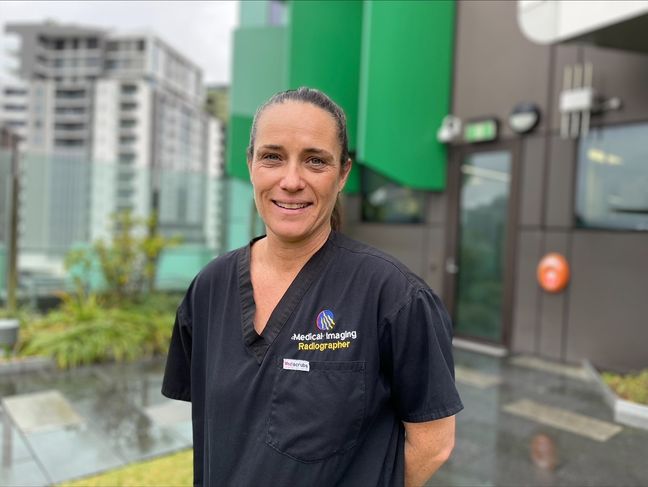
Renae McBrien is the Sustainability Consultant for Children’s Health Queensland. She also works as a radiographer, with over 23 years of clinical health experience. Renae has been instrumental to deliver a widespread staff culture change that drives a diverse resource recovery strategy. This sustainable strategy removes over 500 tonnes from landfill every year through a 40 single stream recycling program that supports local recycling and critical International Aid to build health equity in the Pacific Island communities.
Renae's work delivers environmental sustainability with the mutual benefit of financial sustainability, by generating over $1.2 million of revenue and savings and has recently been featured on the ABC War on Waste TV series, which captured over 4 million views worldwide. She has awarded 2019 and 2020 Brisbane City Council Waste Innovation Award and is the 2022 Brisbane “All Star - Lifetime achievement” Waste recipient. The CHQ Sustainability program has won the Clinical Excellence award and was a finalist for the 2022 Qld Premiers Award.

Dr. Nguyen Minh Nam earned his Ph.D. in Biomedical Sciences from Kyung Hee University, South Korea, in 2016, and held research positions there and later at Yale University School of Medicine (2017-2019). With a strong background in biotechnology and cancer biology, his work integrates big data and machine learning to identify molecular markers for early cancer diagnosis and personalized treatment strategies.
In 2020, he returned to Vietnam and currently leads the Department of Biomedical Engineering at the Faculty of Medicine, VNU-HCM. Committed to applying research in clinical settings, Dr. Nam focuses on developing targeted therapies for metastatic bone cancer. He was awarded the Alexandre Yersin Prize for Outstanding Medical Publication in 2021-2022 and considers cancer research his lifelong mission.

Huy Nguyen is a senior expert on climate change, affiliate researcher at Vin University. He obtained his PhD from Kyoto University Japan with a major in global environmental studies in 2010. His researches focus on the link between climate change and other sectors. Huy has 20 years of working experience in disaster risk reduction, climate change adaptation, nature based solution, water resource management, public heath and education in emergencies in various countries, include: Vietnam, Indonesia, Pakistan, Nepal, Japan, Laos, Bangladesh, Marshall Islands, Philippines, and Cambodia.
Huy was also the Deputy team leader of the Secondary Green Cities Development program in Vietnam, funded by ADB on integration nature-based solution for building climate resilience. During the last 20 years, Huy has been served for several development agencies, such as: The United Nation - International Strategy for Disaster Risk Reduction (UNISDR), The International Fund for Agricultural Development (IFAD), The United Nations Educational, Scientific and Cultural Organization (UNESCO), Oxfam International, Care International, Plan International, Winrock International, Engility, Tetra-Tech, the Embassy of Canada, USAID and RTI.

Nguyen Thi Trang Nhung Phd, has held an engineering degree, major in Applied Mathematics in Hanoi Univeristy of Science and Technology, Hanoi, Vietnam since 2001. She also got Phd in Epidemiology in University of Basel, Switzerland in 2017 with the thesis title of effect of ambient air pollution on children in Hanoi,Vietnam.
She leads a research team, belong to Hanoi University of Public Health. This team mainly study on health impact of air pollution. Some notice studies such as “Air pollution and Health Impact: Integrated approach from Satellite Technology” and “Research Title: Vietnam National Land-Use Regression Modelling for Nitrogen Dioxide Air Pollution and Burden of Diseases (VLAB)” funded by NAFOSTED. The team also publish many papers relating to health impact of air pollution in Vietnam in the international and national journal. She also contributed to the develop indicators to evaluate response of health sector on climate change. She published a series international papers of health impact of air pollution in Vietnam

Thomas Boissiere-O’Neill, PharmD is a Doctor of Pharmacy and a PhD student at the Children’s Health and Environment Program at The University of Queensland. His previous works was focused on perinatal (pharmaco) epidemiology and drug safety monitoring.
Currently, Thomas is focusing his research on endocrine-disrupting chemicals, particularly phthalates and bisphenols. He is interested in understanding how exposure to these chemicals during pregnancy and childhood can influence children’s respiratory health and their propensity to develop allergic diseases.

Melanie Ott, M.D., Ph.D. is the director and a senior investigator at the Gladstone Institute of Virology, a senior vice president of Gladstone and a professor of medicine at the University of California San Francisco.
She studied under Nobel laureate Harald zur Hausen in Heidelberg/Germany and has been recognized for her contributions to HIV Cure research and the pathogenesis of hepatitis C and Zika virus infections. Since January 2020, she has pivoted part of her efforts to SARS-CoV-2 research.
This work is focused on studying SARS-CoV-2 variants and harnessing the host response for new therapeutics using organoid technology. Her lab also develops new rapid diagnostics based on CRISPR and mobile phone technologies. She is the Program Director for the HOPE Collaboratory, a multi-disciplinary group of researchers from around the world and is an elected member of the Association of American Physicians (AAP) and a fellow of the American Academy of Microbiology (AAM).

Dr Antonio Pascale is Medical Toxicologist, current Professor of the Biomedical Science Center, University of Montevideo. His academic appointments include being Associate Professor of Clinical Toxicology at the School of Medicine, University of the Republic, in Montevideo, Uruguay between May 2013 and February 2021. He is the Director of the National Center for Information and Reference of the Drug Network (National Drug Treatment Center in Montevideo) since October 2020 and also Director of the Toxicology Service of the National Direction of Police Health, Ministry of Interior, since September 2014.
As a physician he assesses and treats patients with acute poisonings and chronic intoxications related to occupational and environmental exposures. His activities include the assessment of pesticides exposure in children and workers, as well as the diagnosis and treatment of pesticides related diseases. He also focused his research in e-waste exposure, health effects, treatment and prevention. His work also includes the consequences of the environmental and non intentional exposure of cocaine and cannabis in children.

Dr. Kelly G. Pennell is the Earl Parker Robinson Chair of Sustainability and Environment and the Director of the University of Kentucky Superfund Research Center (UKSRC), which is funded by the National Institute of Environmental Health Sciences. She is also a professor of Civil Engineering at the University of Kentucky. She has led over $50 million in research projects comprised of large multidisciplinary teams. As Director of UKSRC she leads over twenty faculty and dozens of trainees to investigate the impact of persistent halogenated organics, aims to reduce the toxic effects of these chemicals, and seeks to promote health equity in communities.
Dr. Pennell is a licensed professional engineer with previous experience working for an international consulting firm. She earned her PhD from Purdue University in Civil Engineering and has contributed to over a hundred peer-reviewed journal articles, conference proceedings and reports. Her expertise in stakeholder engagement, modeling fate and transport processes, and preventing and reducing chemical exposures in communities has influenced science-based decision making, as well as policy changes at federal and state and local levels.

Quoc Bao Nguyen was born in Ho Chi Minh City, Vietnam, in 1977. He earned a B.S. in Agronomy from Nong Lam University, Ho Chi Minh City, and a Master of Agriculture from Kobe University, Japan. After shifting his focus to biology, Quoc received a Ph.D. from Kobe University, Japan, in 2008.
He held a JSPS postdoctoral fellowship at Kobe University from 2008 to 2010 and served as a Research Associate at Dartmouth College, NH, USA, from 2011 to 2013. Upon returning to Vietnam, he established his lab at Nong Lam University in March 2013.
Since then, Quoc has been an Associate Professor at the Faculty of Biological Sciences, Nong Lam University. His lab specializes in molecular pathogenesis and diagnostics

Dr.S.Rajamani is an United Nations Expert in Environmental Science & Engineering with specialization in occupational health, industrial and hazardous waste management. He is a Doctorate in Environmental Engineering, Gold Medallist in his Bachelor of Engineering Degree and First Rank holder in his Masters Degree in Environmental Engineering.
He is a former Director of CSIR-CLRI, Government of India and served as the Technical Committee / Board Member for the Ph.D., program of Anna University. He is an active member of Pacific Basin Consortium (PBC) for the past 30 years and participated in most of the international conferences organized by PBC and presented scientific & technical papers.

Prof. RENGARAJ SELVARAJ., Ph.D., FRSC, is a Professor of Chemistry in the Sultan Qaboos University, Muscat, Oman with responsibility for teaching, research and consultancy in the field of Nanotechnology, Analytical and Applied Environmental Chemistry.
He has 30 years of research experience in Analytical, Materials, Environmental Science and Engineering, particularly in the area of Photocatalysis, Environmental Nanotechnology, wastewater treatment, water quality analysis, and solid waste management. He has published more than 100 research articles in reputed National, International Journals, and Proceedings (h-index 36) and has been serving as an editorial board member of some International Journals.
Recently his name has been ranked top 2% of the best researcher around the world by Stanford University, USA (Published in the Year 2020 and 2021). Recently University of South Africa, Johannesburg appointed Prof. Rengaraj as Professor Extraordinarius as honorary position and also Prof. Rengaraj has received Eminent Scientist Award from Indian Council of Chemists in the year 2023.

Desiree is the professor of paediatrics at the University of Western Australia and Joondalup Health Campus. She has a strong interest in neurodevelopmental disorders with over 25 years experience in managing children diagnosed with ADHD, autism, anxiety and developmental disorders. She is a co-author of the popular book “ADHD go to guide” and completed her PhD on early risk factors and outcomes of children diagnosed with ADHD.
Currently she is the project Co-Director for the ORIGINS study which is a collaborative initiative between the Telethon Kids Institute and Joondalup Health Campus to establish a new intervention Birth Cohort in Western Australia, which will assist in solving the puzzle of rising rates of obesity, allergies, asthma, autism, ADHD and childhood mental health problems.

Dr. Suk is as an Adjunct Professor in Environmental Sciences and Engineering (ESE) at the University of North Carolina at Chapel Hill, Gillings School of Global Public Health. He is also Adjunct Professor, School of Earth Sciences and Environmental Engineering, Gwangju Institute of Science and Technology, Gwangju, South Korea; Adjunct Professor, Department of Occupational Health and Safety, Faculty of Public Health, Mahidol University, Bangkok, Thailand; and has been on a number of occasions Visiting Scholar in Residence, Chulabhorn Research Institute, Bangkok, Thailand, and Visiting Professor, Department of Biochemistry, Faculty of Medicine, Khon Kaen University.
Dr. Suk is Director, non-profit Foundation: Advancing Research on Children’s Environmental Health: https://arceh.org/, whose aim is to promote transdisciplinary and translational research among early investigators (graduate students and postdoctoral fellows) whose research primarily focuses on improving children’s health.

Graduated from Ho Chi Minh City University of Medicine and Pharmacy 2016
Graduated from Pham Ngoc Thach's Infection Control specialty orientation 2019
Appointed head physician of the Infection Control Department of District 4 Hospital 2020
Graduated from Master of Preventive Medicine 2022
Delegate to attend 50 years of ASEAN in Tokyo on the topic of climate change 2023
Research on Infection Control topic, report at Infection Control conference, present international poster report Asia Pacific at Indo 2024

Eric Vejerano is an associate professor at the Center for Environmental Nanoscience and Risk at the Department of Environmental Health Sciences at the University of South Carolina. He received his BS in agricultural chemistry from the University of the Philippines Los Baños, and his PhD in chemistry from Louisiana State University. He completed postdoctoral training at the Department of Civil and Environmental Engineering at Virginia Tech. He studies air quality, focusing on the mechanisms and impacts of the interaction of organic contaminants with particles.

Professor Murugesan Velayutham is a former Vice-Chancellor, Annamalai University, Chidambaram, India and Emeritus Board Member of the Pacific Basin Consortium. Professor Murugesan is presently an Emeritus Professor and advisor at Crescent University, Chennai, India.
His major research interest includes semiconductor photocatalytic materials for pollution abatement, remediation of heavy metal pollution using nanocomposites, and microporous - mesoporous catalytic materials for fine chemical synthesis. Prof. Murugesan has more than 200 research articles in SCI journals and conference proceedings to his credit. He has good citation index for his publications, and his present h-index is 59. He has been awarded the Thomson Reuters India citation award 2012. Prof. Murugesan has been awarded STA and JSPS fellowships of Japan.
He has established excellent research links with Universities and Institutes within India and also established international research collaboration in Japan, Korea, Taiwan, Russia, Germany and Italy. Prof. Murugesan successfully completed funded projects from Government of India funding agencies as well as International collaborative projects.

Dr Dwan Vilcins is the Group Leader Environmental Epidemiology at the Children’s Health and Environment Program at The University of Queensland. Dr Vilcins’ and her team explore the effect of environmental exposures on children’s health, with a current focus on air pollution, environmentally persistent free radicals, green space and plastic chemicals.
Dr Vilcins leads the NHMRC funded EMBER study exploring the effect of bushfire smoke on health outcomes. In addition to her PhD and Master of Public Health, Dr Vilcins has a background in nutrition. Currently Dr Vilcins is a fellow of the International Society for Children’s Health and the Environment, a board member for the Pacific Basin Consortium for Environment and Health, an advisor to Breath Melbourne, and is an advocate for the Greener Spaces Better Places initiative.

Associate Professor Long Binh Vong received the fellowship of Japan Society for the Promotion of Science (JSPS) and got the Ph.D. Degree in Department of Materials Science, Graduate School of Pure and Applied Sciences, University of Tsukuba in 2015; later then, he worked as postdoctoral fellow. In 2018, he was selected as top 10 outstanding young scientists in Vietnam.
He is currently Vice Dean, School of Biomedical Engineering, International University, Vietnam National University Ho Chi Minh city. His research activities focus on the development of innovative biomaterials for biomedical applications, particlarly smart nanomedicine and drug delivery systems.
Recently, he has developed the oral nanomedicine for treatment of oxidative stress-induced diseases in gastrointestinal tract, especially ulcerative colitis and intestinal cancer. Targeted delivery and controlled drug release using designed biopolymers and nanomedicine apply to various animal disease models.

Dr. Ayaho Yamamoto is the Group Leader of Laboratory Science at the Children's Health and Environment Program, Child Health Research Centre, the University of Queensland. Her research focuses on understanding the mechanistic links between environmental exposures and adverse respiratory outcomes. In particular, she focuses on the cellular responses following air pollution exposure and/or viral infection on human respiratory epithelium, and the age differences in immune defence mechanisms. Investigate on early intervention strategies with dietary antioxidants to improve respiratory health and reduce the risk of long-term chronic diseases.

Dr. Shu-Dan Yeh received her Ph.D. degree in Ecology and Evolution from Stony Brook University, New York, where she started to work on the genetic basis of trait divergence. She analyzed the evolutionary changes of microRNA expression and characterized the reproductive function of newly evolved multigene family in fruit fly Drosophila during her postdoctoral scholarship in University of California at Irvine.
She investigated fitness effect of mutational decay in nematode Caenorhabditis elegans in University of Florida before She took the faculty position in the Department of Life Sciences at National Central University.
Her current research projects include the pleiotropic effect of melanin biosynthesis pathway in Drosophila courtship and local adaptation and molecular basis of differential drought tolerance among tea tree cultivars. Dr. Yeh is also an Editorial Board Member of Genome Biology and Evolution journal.
Meet our Organising Committee
Accommodation & travel support
HOTEL INFORMATION:
Caravelle Hotel, Ho Chi Minh City
Alternative Accommodation Options:
132-134 Đồng Khởi, Bến Nghé, Quận 1, Ho Chi Minh City
A historic, mid-range hotel with classic French colonial architecture, conveniently located near major attractions
141 Nguyễn Huệ, Bến Nghé, Quận 1, Ho Chi Minh City
A high-end option with modern facilities, rooftop dining, and close proximity to the conference venue
66-70 Đồng Khởi, Bến Nghé, Quận 1, Ho Chi Minh City
A budget-friendly choice with comfortable accommodations, offering good value and a central location.
Travel support - The Pacific Basin Consortium for Environmental and Health will offer a limited number of grants to cover partial cost of travel for speakers selected from abstracts to give oral presentations. Please note that Student and Early Career researchers, who would not otherwise be able to attend will be given priority. All support offers are covered by the PBC Travel Support Guidelines.
The PBC Focus meeting hosts and sponsors
Additional information
Ho Chi Minh City https://vietnam.travel/places-to-go/southern-vietnam/ho-chi-minh-city
Ho Chi Minh Airport https://www.hochiminhcityairport.com/
Transport options transfers https://www.hochiminhcityairport.com/transportation/
Childcare 1: https://nhidong.org.vn/Index.aspx
Childcare 2: http://www.benhviennhi.org.vn/
Childcare & Senior Care: https://www.bvdaihoc.com.vn/
Location
Hybrid event:
Ho Chi Minh City, Vietnam
19-23 Lam Son Square
Hồ Chí Minh
Vietnam
Dates
Registration period:
April 8, 2024 - 12:00 AM +07 - May 31, 2025 - 5:00 PM +07
Submission period:
April 8, 2024 - 12:00 AM +07 - May 25, 2025 - 11:59 PM +07
Contact us
If you have any questions, please contact pbc@uq.edu.au