Speakers
Hosts

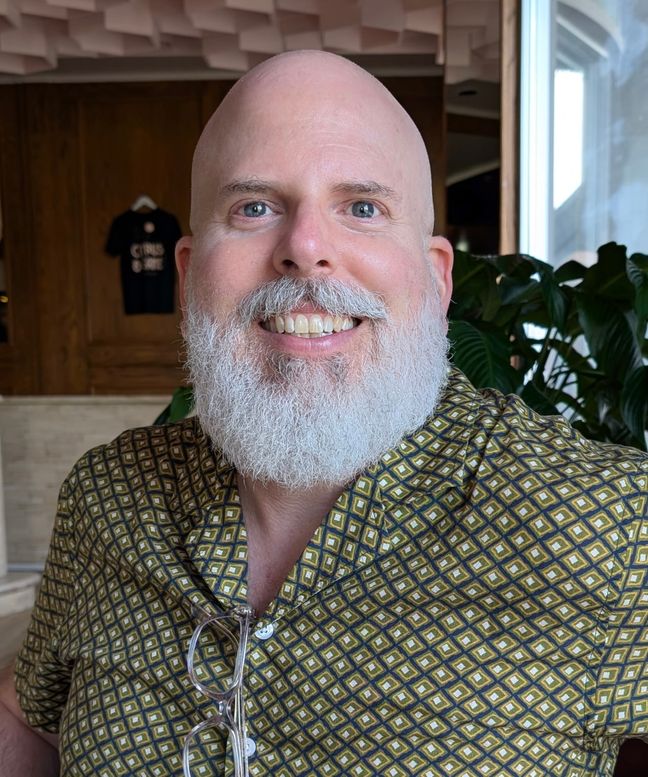
Devin Harris is a Clinical Professor in the Department of Emergency Medicine, Faculty of Medicine, having completed medical school, residency and post-graduate training at UBC Vancouver. He holds the position of Council Chair at Health Quality B.C. and is an Executive Medical Director in Interior Health. Clinically, he has practiced Emergency Medicine since 2001 in multiple departments in British Columbia and has held leadership roles within Interior Health, the Provincial Health Services Authority, Vancouver Coastal Health and Providence Health Care. Along with being active in education and mentorship, Devin has been active in diverse research programs in stroke, cardiovascular care, medical education and patient safety. In addition, he teaches quality improvement and healthcare leadership in numerous regional and provincial programs.
Devin is a strong advocate of innovation and partnerships in healthcare with a focus on equitable and patient-centered care. As the Director of Health Systems, Devin will work closely with the Assistant Director, and the entire UBC Health Team to connect organizations, people and the public. His connections to the Regional Health Authorities, the Ministry of Health, Health Quality B.C., UBC Okanagan and other governmental and non-governmental organizations will assist in bridging silos and moving UBC Health towards the vision of better health together.

Dr. Naznin Virji-Babul, P.T., PhD, is a physical therapist, neuroscientist, and Associate Professor in the Department of Physical Therapy at UBC's Faculty of Medicine. As the Director of Interdisciplinary Research at UBC Health, she leads efforts to advance interdisciplinary health research collaborations, supports implementation science, and contributes to building a learning health system. Dr. Virji-Babul works closely with researchers, university units, and health and community partners to address complex societal health challenges using a holistic approach. She is deeply committed to fostering equitable relationships, embracing diverse perspectives, and promoting innovative, collaborative practices across UBC’s Vancouver and Okanagan campuses.

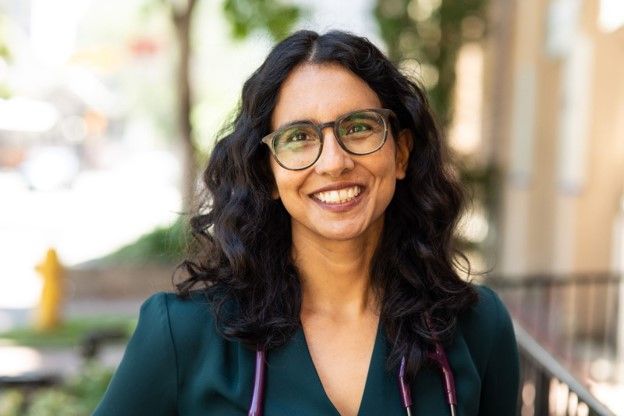
Dr. Marie Tarrant is Dean of the Faculty of Health and Social Development and a Professor in the School of Nursing. Dr. Tarrant’s research is in maternal and child health, with a focus on breastfeeding, the Baby-Friendly Hospital Initiative, and maternal and childhood vaccinations. Study methodologies include large longitudinal cohort studies, population-based cross-sectional studies, and randomized controlled trials. The goal of Dr. Tarrant’s research is to improve maternal and child health outcomes, inform public health policies and transform perinatal healthcare services. Dr. Tarrant is the lead investigator at the UBC Okanagan’s School of Nursing Maternal and Child Health Lab and is a frequently cited UBC expert on maternal and child health, breastfeeding, vaccination in pregnancy, and childhood vaccinations. Dr. Tarrant was previously the Director of the School of Nursing at UBC Okanagan from 2016 to 2021. Prior to coming to UBC, she was a Professor and Deputy Head of the School of Nursing at the University of Hong Kong.
Ceremonial Opening

Derek K Thompson - Čaabať Bookwilla | Suhiltun is from the diitiidʔaaʔtx̣ - Ditidaht First Nation, one of fourteen Nuuchahnulth communities along the west coast of Vancouver Island. Derek is the Director, Indigenous Engagement for the UBC Faculty of Medicine, and he brings over 30 years of experience working with First Nations organizations and communities across the province and country to achieve wellness through health and related services. His mission is to foster trust and mutual respect amongst students, staff and faculty in an effort to create an understanding of the commitments made by the Faculty of Medicine to strengthen the relationship with Indigenous peoples and communities.
Indigenous Knowledge in Action

Gabrielle Legault is a Métis scholar from Lac Pelletier, Saskatchewan (Treaty 4) and an Assistant Professor in Indigenous Studies at UBC Okanagan. As Director of the Indigenous Health Research Unit at the Vancouver Coastal Health Research Institute, she leads and supports research that prioritizes Indigenous self-determination in health and wellness. She is also the lead of the Urban Indigenous Wellbeing Collective, which hosts the annual Indigenous Wellbeing Gathering Conference in Kelowna. Her work focuses on dismantling colonial barriers in research and ensuring Indigenous communities define research priorities, methodologies, and outcomes.

Dr. Christopher Horsethief is a professor and postdoctoral researcher focusing on health policy and Indigenous community resilience. He has 30 years of field experience researching Ktunaxa linguistic and cultural systems, including the impact of colonization and potential resilience through education. His instructional experience includes Antioch University’s and Union Institute & University’s doctoral programs, Gonzaga University’s MBA-AIE and UBC’s IHALP programs and an appointment as the Indigenous Scholar in Residence at College of the Rockies. Christopher is a member of the ʔakisq̓nuk First Nation.

Duane Jackson is from the Gitanmaax of the Gitxsan Nation. With a background in early childhood education, he has worked with Success By 6 and Children First as well as partnered with various early childhood and health initiatives in BC. He has been a member of UBC’s Human Early Learning Partnership’s (HELP) Aboriginal Steering Committee (ASC) for the past 15 years.
Duane has been involved with the Patient Voices Network for 8 years, being involved in many initiatives related to patient quality improvement. He was a member of the technical committee that helped create the Cultural Safety and Humility Health Standard that is currently in BC hospitals.
Duane is also focused on men’s health. He is founder of the Tauhx Gadx men’s program, which focuses on being a whole person. “The idea is not to look at what it means to be a ‘man’ within today’s society but rather to get an understanding of what it means to be a ‘whole person’.”

Dawn Thomas is a member of the Snuneymuxw First Nation on Vancouver Island, and her traditional Nuu-chah-nulth name is Aa ap waa iik, which loosely translates to “The one who says the right words about chiefly business.”
As VP of Indigenous Health and Diversity, Equity and Inclusion, Dawn is responsible for enabling and facilitating system transformation and service delivery improvements that improve the wellness, health, and care needs of all Indigenous peoples across the Island Health service area including First Nations, Metis, Inuit, and non-status Indigenous peoples - both on- and off-reserve. She also supports a culture where all employees and people seeking our help are protected, feel safe, given an equal chance, and are treated with dignity and respect.
Dawn engages with a wide range of senior internal and external partners to foster effective relationships, leadership and service advancement while ensuring an Indigenous lens is applied to the development, review and revision of Island Health’s organization values, governance, administration, and decision-making.
Dawn brings more than 20 years experience with Indigenous children, families, communities and leadership to Island Health. In 2021/22, Dawn was seconded to the Ministry of Indigenous Relations and Reconciliation in the role of Associate Deputy Minister. Her experience leading how the province and the BC health system began to respond to In Plain Sight, the relationships she developed, and the innovations and best practices she brings back with her will help advance our shared work at Island Health. She also previously worked for the B.C. government at the Ministry of Children and Family Development, and at the Office of the Representative for Children and Youth.
Perspectives Across Sectors
Nurses and Nurse Practitioners of British Columbia (NNPBC), the unified professional nursing association in BC. With a clinical practice background in perinatal and public health, today Angela is a policy nurse and leader practicing at the intersection of nursing, policy, and governance. Angela holds a BA, a BSN, a Masters in Policy & Practice, and is a PhD candidate at the University of Victoria with a research focus on nation state level health policy leadership. Nationally, she is a member of the Health Canada Expert Advisory Council on Nursing Retention and serves on the Board of Directors of the Canadian Nurses Association. Angela also works with the International Council of Nurses, chairing the PAHO region Policy Leadership Network and the worldwide Global Nursing Leadership Steering Group. She is the proud co-founder of the Island Health Innovation Lab and Code Hack. Angela advises and speaks around the world on nurse-led innovation, clinical governance, policy science, trauma-informed leadership, and health-care transformation. She lives with her partner and two sons on the beautiful homelands of the Lekwungen speaking peoples, the Songhees and Esquimalt First Nations, in what is colonially known as Victoria, BC.

Ovey Yeung (楊傲斐) is a communications and innovation consultant with 18+ years of experience leading digital transformation across startups, government, and global organizations. She has helped scale companies internationally and launched major digital initiatives, including the first digital-first strategy for the 2010 Winter Olympics and ELLE.com at Hachette Filipacchi.
Ovey’s career spans roles in tech, healthcare, and public sector innovation, including work with NTT DATA, the BC government, and Tsinghua University. She brings a unique perspective shaped by her experience navigating healthcare systems as both a caregiver and a traumatic brain injury survivor after a life-changing hit-and-run accident in 2014. Her story has led her to become an advocate for patient-centered care, equitable access, and meaningful collaboration between patients, providers, researchers, and policymakers.
A keynote and TEDx speaker, Ovey is passionate about person-driven health innovation, digital equity, and building systems that listen and adapt. She currently advises on initiatives focused on health data, responsible AI, and collaborative system change.
Outside of work, you’ll often find her on the golf course, playing tennis, tossing a frisbee, or enjoying Vancouver’s outdoors. She’s committed to bridging lived experience and systemic impact.

Dr. Linda Li is a professor and Harold Robinson / Arthritis Society Chair in the Department of Physical Therapy at the University of British Columbia, a senior scientist at Arthritis Research Canada, and a physiotherapist at the Mary Pack Arthritis Program in Vancouver General Hospital. She holds a Canada Research Chair in Patient-oriented Knowledge Translation.
Dr. Li’s research centers on improving the care for people with arthritis and empowering patient self-care. Her work focuses on the integration of online, mobile and wearable tools in health care. Examples of her work include the use of interactive decision aids for improving communication between patients and health professionals, and the use of wearables and apps to personalized physical activity levels for patients. Dr. Li’s work in knowledge translation has also led to new studies on the benefits of engaging patients and the public in the full spectrum of research process.

As a faculty member at the Peter B. Gustavson School of Business at the University of Victoria, Cheryl Mitchell teaches MBA courses on collaboration, design thinking & innovation, organizational development and consulting. As well she oversees all MBA capstone projects. She is also a principal investigator at the Cardiac Network of Canada (CANet), a National Centre of Excellence (NCE), where she researches multi-stakeholder collaboration in national research networks.
Cheryl Mitchell has worked extensively as a freelance consultant and facilitator in the healthcare industry and public service. Her most recent company, Red Ball Solutions, was founded in 2008 in response to the increasingly complex workplace challenges faced by today’s organizations. Cheryl’s initial focus was on experiential team-building and leadership development. Over the past 15 years, this focus has evolved from engagement and strategic planning, through to identity formation, change management and culture development. Her current concentration is on collaborative design and facilitating solutions in complex systems. She has designed and delivered hundreds of group programs to over thirty five thousand participants.
Cheryl has a PhD in Human and Organizational Systems, where her dissertation research focused on blame in the healthcare system. She has a Master’s degree in Counselling Psychology with an emphasis on Jungian Depth Psychology. She is also a team coach, and is qualified to deliver a wide range of assessments. Her academic interest in blame, group dynamics that impact collaboration and group processes that enhance solution-building, ensures that her professional projects are evidence-based and aligned with current research and literature.

Kevin Samra is the Executive Director of the Innovation branch at the Ministry of Health. He has been a public servant for over 20 years, spending the past 16 years working in a variety of roles within the Ministry of Health. Currently, he leads the Health Innovation Hub, which was established in 2019 to support the Ministry to be more innovative, collaborative and evidence-informed. The Hub is a corporate service providing Ministry program areas with specialized resources to approach challenges in innovative ways.
In particular, the Hub helps the Ministry collaborate with health system partners and people with lived experience and provides program areas with a range of information and evidence products to support evidence-informed policy and decision making. In addition, it promotes innovation in the health system by enabling the testing and assessment of promising innovations in clinical settings through the Health Innovation Pathway program. The Hub strives to connect people, ideas, and resources for better solutions.
Perspectives from Funders of Innovation in Health

Angela has been a champion of transformational change through philanthropy in education, research and healthcare on three continents for more than three decades.
Since 2020, Angela has been the President & CEO, VGH & UBC Hospital Foundation, the primary philanthropic partner of Vancouver Coastal Health. Angela joined the Foundation in 2013 as the Senior Vice-President, Philanthropy, becoming the Chief Development Officer in 2018. Prior to returning to her native Vancouver, Angela served as the Director, Advancement & Campaign, at the National University of Singapore, developing and executing Asia’s first billion-dollar fundraising campaign.
The VGH & UBC Hospital Foundation is the leading charity investing in healthcare innovation in BC. The Foundation strives to bring together donors with leading clinician-researchers to change the standard of care, improve healthcare delivery and saves lives.
Angela has volunteered her time for a variety of community and professional bodies, including serving on the Board of the Association of Fundraising Professionals (Canada), the Audit & Finance Committee of GNW (Great Northern Way) Trust, and the Regional and Civic Affairs Committee of the Greater Vancouver Board of Trade. She holds a BA (Hon) in History & Russian from McGill University and an MBA from Université Laval.
Melina Moran is the Director of Strategic Partnerships and Grants with the KGH Foundation where she works collaboratively with healthcare leaders and partners to identify innovative projects that advance or enhance healthcare programming and services, in order to match them with donor funding and intentions. Her previous experience working in Interior Health provides background and understanding of the complex health system and how to navigate the various levels of the organization and process, in order to advance projects. At any given time, Melina is overseeing a grant portfolio of 100+ active grants and 15+ in-discussion projects that are in the early stages, building out core documents and finalizing the project scope. She acts as a pseudo-Project Manager in this role and provides advice to applicants on the process, which often involves formulating a project brief, obtaining estimates for a budget and writing a Decision Brief to obtain health authority approvals.

Dr. Deanne (Dee) Taylor is the Corporate Director of Research for Interior Health, Co-Scientific Director of the Rural Coordination Centre of BC (RCCbc), Senior Research Advisor for the Canadian Health Leadership Network, and Adjunct Professor at UBC-O in the Faculty of Health and Social Development. She leads research, innovation, and learning health systems activities, with a focus on integrating evidence into practice and decision-making. Dr. Taylor is a strong advocate for advancing evidence-informed practices and promoting learning health systems at local, provincial, and national levels.
With a background that includes a Baccalaureate in Athletic Therapy, a Master’s in Disability & Community Studies, and a PhD in Community Health Science, Dr. Taylor also completed a Post-Doctoral Fellowship at the Centre on Aging, Mount Saint Vincent University, and the Fellowship in Health Systems Transformation at the University of Alberta.
She provides strategic leadership on numerous projects in research, innovation, and health systems leadership. Dr. Taylor regularly presents at scientific, professional, and community forums on topics such as learning health systems, health systems transformation, and public-private partnerships in healthcare. Her work aims to improve healthcare practices and policies by fostering collaboration and evidence-based solutions at multiple levels.

Mike Conroy is the Acting Director of Strategic Granting at Vancouver Foundation, where he leads funding initiatives that support systems change and participatory action research across British Columbia. With nearly a decade of experience in philanthropic grantmaking, Mike has helped design and manage grant programs to address complex social issues. His work bridges community-based research and policy impact, emphasizing trust-based philanthropy and collaborative partnerships. Mike holds a Master of Library and Information Studies from UBC and has contributed his expertise on grantmaking to advisory panels and forums.

Dr. Jennifer Zelmer is the inaugural President and CEO of Healthcare Excellence Canada, the new organization formed in 2020 through the amalgamation of the Canadian Foundation for Healthcare Improvement and Canadian Patient Safety Institute to achieve safer, higher quality and more coordinated patient-partnered healthcare. Jennifer's long-standing commitment to improving healthcare quality and safety, as well as expertise in spreading and scaling innovations that deliver better outcomes, will help to create this new organization with an expanded capacity to improve healthcare for everyone in Canada. Jennifer previously joined CFHI as its President and CEO in September 2018. She has been a C.D. Howe Research Fellow for several years and is also an adjunct faculty member at the University of Victoria, as well as a member of several health-related advisory committees and boards.
Previously, as President of Azimuth Health Group, Dr. Zelmer was a strategic advisor to leaders who sought to advance health and healthcare at local, national, and international levels. Before that, she held senior leadership positions with Canada Health Infoway, the International Health Terminology Standards Development Organization, and the Canadian Institute for Health Information. Jennifer served on the first (2004) Safer Healthcare Now! National Steering Committee convened by CPSI when she was at CIHI. She also served on CPSI's former Health System Innovation Advisory Committee, and more recently, Jennifer served on the National Patient Safety Consortium Steering Committee during her time at Infoway. Dr. Zelmer received her PhD and MA in economics from McMaster University and her B.Sc. in health information science from the University of Victoria.

Danielle Lavallee is vice president, Research Programs at Michael Smith Health Research BC. In her role, she oversees provincial initiatives that advance research excellence, promote health system transformation, and strengthen BC’s research ecosystem through strategic funding, partnerships, and engagement of patients and interest holders.
With over 20 years of experience, Dr. Lavallee is nationally recognized for her expertise in integrating diverse perspectives into research design and implementation. She is recognized for her leadership in academic and health systems settings leading initiatives integrating patient generated data into health systems, shaping national and international best practices.
Dr. Lavallee holds a PhD in Pharmaceutical Health Services Research from the University of Maryland and a Doctor of Pharmacy from the University of Kansas. In addition, she is an adjunct professor in the School of Population and Public Health at the University of British Columbia.
Closing Keynote

A family doctor and renowned primary care researcher, Tara Kiran investigates how changes in the health care system impact patients, particularly the most vulnerable. In her research and practice, she develops and tests solutions to make health care more inclusive and more effective.
Much of Tara’s research has evaluated how primary care reforms have impacted quality of care. She also leads research to directly improve quality of care including initiatives to measure and reduce care disparities, engage patients in health service improvement, and support physicians to learn from data. In 2022, Tara launched OurCare, a national initiative to engage the public in co-creating the blueprint for a stronger, more equitable primary care system in Canada.
Tara holds the Fidani Chair of Improvement and Innovation at the University of Toronto. She practices family medicine at St. Michael’s Hospital, Unity Health Toronto where she is also a Scientist at the MAP Centre for Urban Health Solutions. She is the Vice Chair for Quality and Innovation in the Department of Family and Community Medicine at the University of Toronto, a Senior Adjunct Scientist at ICES and an Associate Professor in the Faculty of Medicine and the Institute of Health Policy, Management and Evaluation at the University of Toronto. You can learn more about her research at https://maphealth.ca/kiran/
For the full schedule of sessions and speakers, please view the event program: https://event.fourwaves.com/bridgingresearchandaction/schedule