IST Winter School - Verona 2026
Gain Hands-On Experience in Tractography on Multiple Platforms
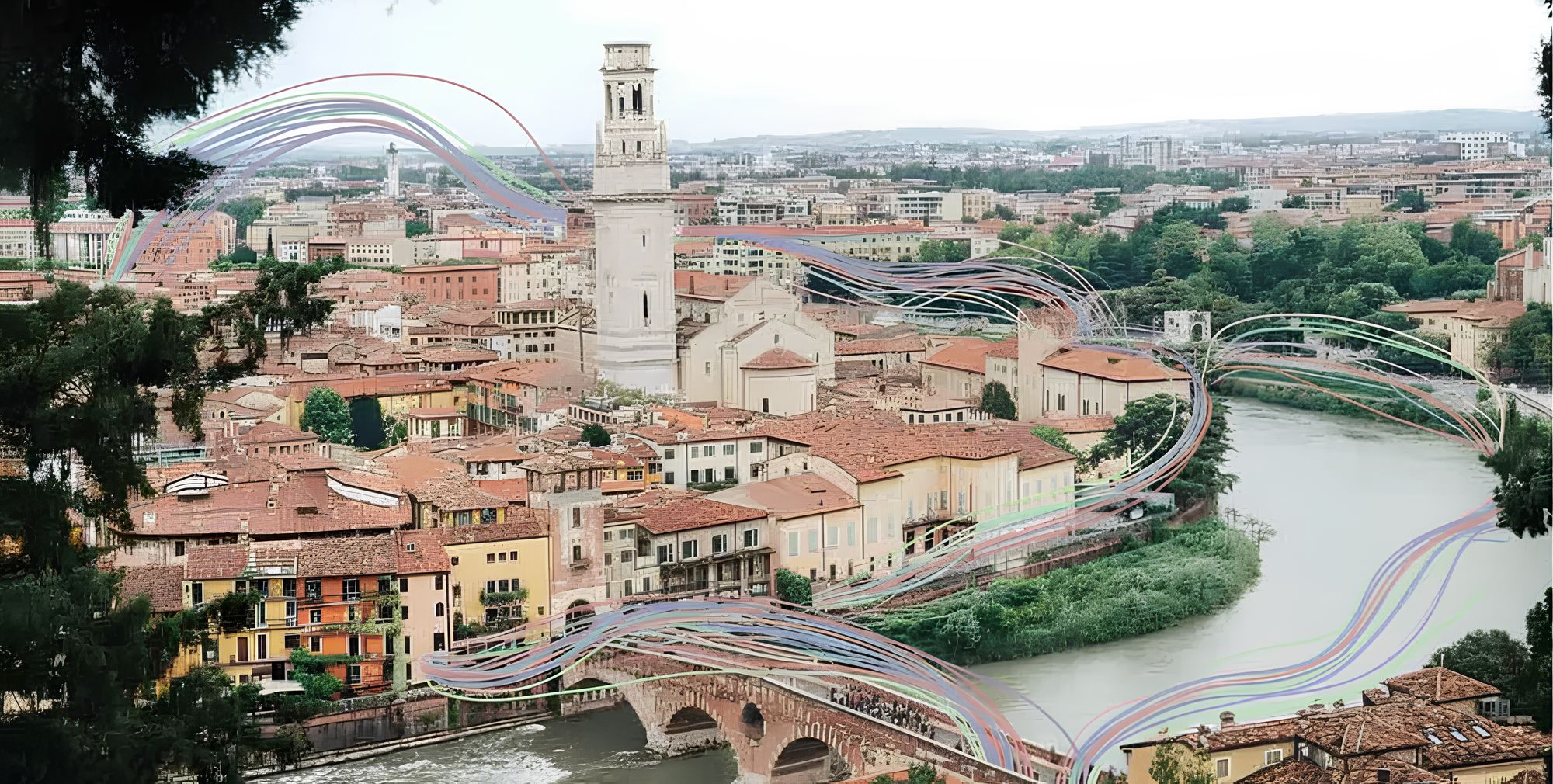
The International Society for Tractography is thrilled to be hosting its first hands-on tractography workshop at the University of Verona. At this workshop, attendees will be led by experts in the field through the complete workflow of tractography analysis, from data preprocessing and model fitting, to tract reconstruction and quantitative evaluation. The workshop is designed for Ph.D. students, postdoctoral fellows, and clinical scientists, especially those who are new to the practical aspects of dMRI, as well as researchers from related fields (e.g., neuroscience, psychology, radiology) looking to gain applied tractography skills.

Thank you to our sponsors!
We are grateful to our sponsors who made this conference possible.
We are currently welcoming additional sponsors, email info@tractography.io for more information!
Meet Your Expert Instructors

Alessandro Daducci is an Associate Professor in the Department of Computer Science at the University of Verona, Italy. He obtained his PhD in 2010 and completed postdoctoral fellowships at EPFL (Switzerland) and the University of Sherbrooke (Canada). His research focuses on developing new methods for microstructure informed tractography to increase the anatomical accuracy of white matter reconstructions and provide more veridical estimates of brain connectivity.

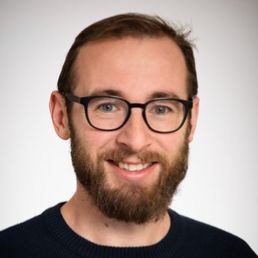
François Rheault has been an Assistant Professor at the Université de Sherbrooke in Canada since 2022. His primary research focuses on diffusion MRI and tractography within the human brain. A notable aspect of his work is the creation of open-source resources designed to streamline the incorporation of multi-modal imaging and tractography, alongside scientific visualization.

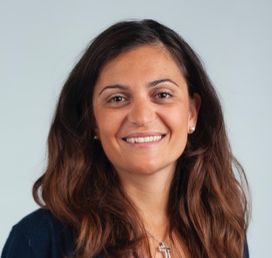
Dr. Chiara Maffei is Instructor in Radiology at the Martinos Center for Biomedical Imaging, Massachusetts General Hospital & Harvard Medical School. Her research focuses on the optimization and clinical translation of automated diffusion MRI tractography tools. She works on the accurate delineation, validation, and quantification of white matter structures in healthy subjects, as well as in adolescents with anxiety/depression and patients with traumatic brain injury.

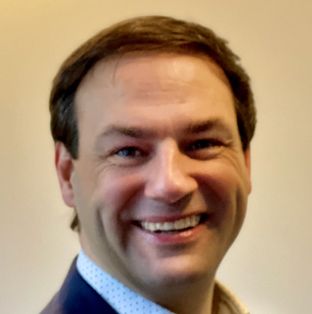
Dr. Alexander Leemans is an Associate Professor at the Image Sciences Institute (ISI), University Medical Center Utrecht, Netherlands. A physicist by training (PhD, 2006), his research focuses on modeling, processing, visualizing, and analyzing diffusion MRI data to investigate tissue microstructure and organization. He heads the PROVIDI Lab and is the developer of ExploreDTI, a widely used graphical toolbox for diffusion MRI analysis.

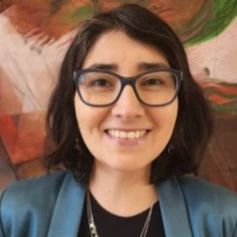
Dr. Pamela Guevara is a Full Professor of Biomedical Engineering at the University of Concepción, Chile, where she leads the Medical Image Analysis Group. Her research is focused on developing novel methods for studying brain connectivity using diffusion MRI. In recent years, her group has placed a special interest in analyzing the superficial white matter and creating diffusion-based cortical parcellations for clinical applications.

Dr. Elena Borra's research defines the anatomo-functional organization of cortical circuits involved in motor control and cognition. With a background in non-human primate neuroanatomy, she uses a combination of classical anatomical techniques and modern neuroimaging (fMRI, MRI) to map these networks in the macaque brain. A key goal of her work is to understand these large-scale circuits and their human counterparts through a comparative approach.

Dr. J-Donald Tournier is a Reader in Biomedical Engineering at King’s College London, affiliated with the Centre for the Developing Brain. He has made key contributions to the field of diffusion MRI, developing novel methods for local fibre modelling, tractography, and group data analysis. His influential techniques are used to study a wide range of neurological conditions and are made freely available through the widely used MRtrix software package.

Alessandra Griffa, PhD, is the Research Coordinator at the Leenaards Memory Center, Lausanne University Hospital. After training as a biomedical engineer, she earned her PhD from EPFL in 2011, specializing in graph methods for connectomics. Her research involves developing new approaches for multimodal data integration to better understand the brain's structure-function relationship, especially in age-related neurodegenerative disorders.
Program at a Glance
The program is designed to build participants’ knowledge progressively — beginning with the fundamentals of diffusion MRI and advancing toward quantitative tractography, tractometry, and connectomic analysis. Its bootcamp-style format combines theoretical talks with guided hands-on sessions, ensuring that attendees gain both conceptual understanding and practical hands-on experience. By the end of the workshop, participants will have developed a comprehensive grasp of tractography analysis, from basic principles to advanced applications, and will receive project-specific guidance to support their own research.
Day 1 - Foundations and system setup
Setup verification, terminology, dMRI physics review, transformations,
Day 2 - Basics and quality control
Preprocessing, simple modeling, introduction to tractography
Day 3 - Preprocessing pipelines, tractography, segmentation
Automated pipelines, advanced modeling, tractography, bundle segmentation
Day 4 - Quantitative analysis and scientific interpretation
Tractometry, connectomics, study design
Join us in Verona for the IST Winter School
Location
University of Verona
15 Strada le Grazie
Verona
Italy, 37134
Dates
Registration period:
November 10, 2025 - 9:01 AM CET - January 31, 2026 - 5:00 PM CET
Contact us
If you have any questions, please contact Francois.M.Rheault@usherbrooke.ca