About the Program
Join Us!
Don’t miss this unique opportunity to gain valuable medical knowledge and connect with health professionals in your community. Whether you're aspiring to have a career in medicine, wanting to experience a day in the life of a medical student, or simply looking to expand your understanding of health and wellness, Mini Medical School has something for everyone.
Hybrid Delivery
WebEx will be used to connect online participants to the workshops. Meeting links and details will be emailed to participants following registration.
Session Information
Please select below the session dates/titles to learn more about each event!
Session Schedule
Please select date(s) below for additional session information
Learning Objectives
a) define diabetes and differentiate between type I and type II diabetes mellitus (note new terminology of insulin-dependent vs. non insulin-dependent)
b) describe how diabetes is diagnosed, the different methods used to measure blood glucose, and what the target blood glucose levels are for people with and without diabetes
c) identify the long term consequences of diabetes to different body systems
d) identify the symptoms of hypoglycemia versus hyperglycemia
e) develop a plan for managing diabetes through modifiable lifestyle factors
f) discuss how to prevent complications of diabetes and identify the common screening exams, including eye and foot exams
g) identify how living with diabetes can affect mental health
h) list some strategies to enhance mental well-being while living with diabetes
Learning Objectives
a) define brain health and describe how the brain develops across the lifespan, with emphasis on childhood and adolescence
b) identify key factors that support or harm brain health, including sleep, nutrition, physical activity, stress, and substance use
c) define a concussion and explain how it occurs, including common causes such as sports injuries, falls, and accidents
d) recognize the signs and symptoms of a concussion, including physical, cognitive, and emotional changes
e) differentiate between mild, moderate, and severe concussion symptoms and understand when symptoms may be delayed
f) describe the appropriate response to a suspected concussion, including when to seek medical care and the importance of rest and gradual return to activities
g) identify strategies to prevent concussions and protect brain health in everyday life (e.g., helmet use, safe environments, injury prevention practices)
h) discuss the potential short-term and long-term effects of concussions, including the risks of repeated brain injuries
i) identify how brain injuries and concussions can impact mental health, learning, and daily functioning
j) list strategies to support recovery and promote overall brain well-being following a concussion
Learning Objectives
a) define cardiovascular disease and describe common types, including heart attack and stroke
b) identify major risk factors for cardiovascular disease, including modifiable (e.g., smoking, diet, physical inactivity) and non-modifiable (e.g., age, genetics) factors
c) explain how cardiovascular disease develops, including the role of plaque buildup in blood vessels
d) recognize the signs and symptoms of a heart attack versus a stroke and understand when to seek urgent medical care
e) describe how cardiovascular disease is diagnosed, including common tests such as blood pressure measurement, cholesterol testing, and imaging
f) develop a plan to reduce cardiovascular risk through modifiable lifestyle factors, including healthy eating, regular physical activity, and smoking cessation
g) identify strategies to prevent cardiovascular disease at both the individual and community level
h) discuss the potential long-term complications of cardiovascular disease and their impact on quality of life
i) identify how cardiovascular disease can affect mental health and overall well-being
j) list strategies to support heart health and maintain long-term cardiovascular wellness
Meet the Student Presenters
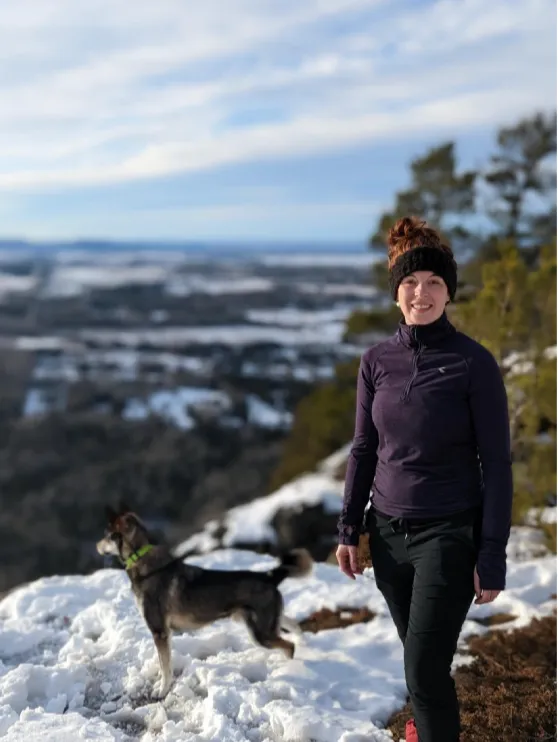
My name is Camille and I am a first-year medical school student at NOSM U, Thunder Bay campus. Originally from small town in southern Ontario, I moved to Sudbury to complete my undergraduate and Master’s degree in Kinesiology at Laurentian University. In 2018, I moved to Sioux Lookout where I have spent the last six years living and working in the diabetes care and management. I am thrilled to share the knowledge I’ve gained and help answer any questions you might have!
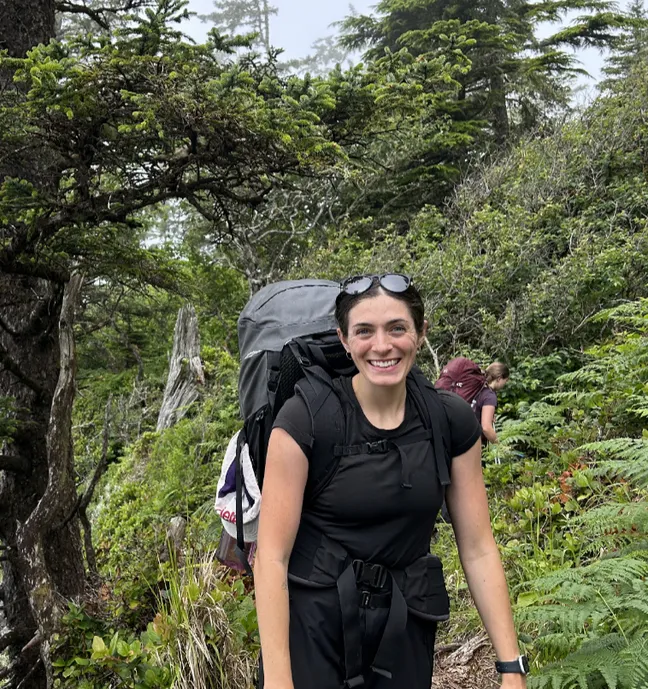
Hi, my name is Alex Olsen, I am a second-year medical student at NOSMU, Thunder Bay Campus. I grew up in North Western Ontario however I have been fortunate enough to live all across Western Canada over the past few years. Outside of medicine, I love to run, cook, read and hike, all things that are important for my brain health! I am looking forward to talking about this more in detail with you at our presentation!
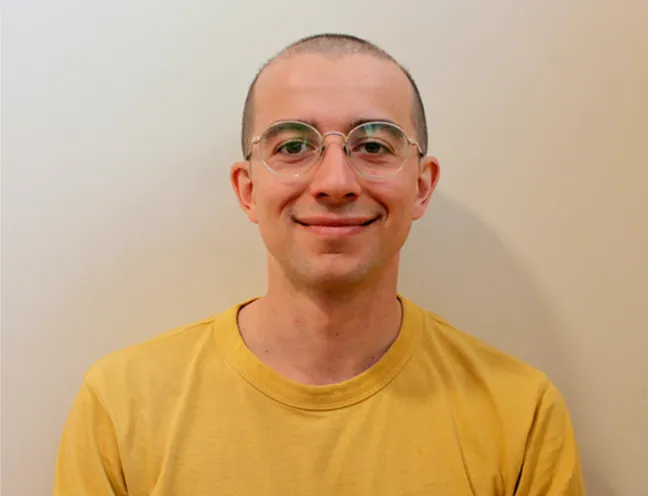
I’m Thomas and I’m a second year medical student at NOSMU, Thunder Bay campus. I grew up in the Ottawa Valley and moved to Montreal to complete my undergrad in electrical engineering and Masters in neuroscience at McGill. I love paddling and doing stuff outside. Looking forward to talking to you about the brain!
Meet the Medical Experts