AI Climate Panel
Code, Climate, and Credibility: Navigating the Digital Storm
Exploring the intersection of artificial intelligence and climate disinformation, focusing on how AI technologies can both contribute to and combat the spread of false information about climate change and other environmental information. Experts from various fields will discuss the challenges and opportunities presented by AI in the context of climate communication.

Renée Sieber, McGill University: Moderator
Renée Sieber is an associate professor at McGill and is jointly appointed in the Bieler School of Environment and the Department of Geography. Her research lies at the intersection of civic engagement, geographic technologies, and digital infrastructures, with a strong focus on marginalized communities and social change. Sieber’s areas of expertise include community-based organizations, social movements, e-commerce tools for underserved populations, e-government for community economic development, and the use of information technology in marginalized contexts. She is a leading voice in Geographic Information Systems (GIS), the Geoweb, and public participation in GIS (PPGIS), with a particular emphasis on adapting these technologies for environmental advocacy, virtual activism, and sustainable urban development.

Sasha Luccioni, AI & Climate Lead: Hugging Face
Dr. Sasha Luccioni's work aims to pave the way towards a better understanding of the societal and environmental impacts of AI models, datasets and systems. A leading voice at the intersection of AI and climate action she serves as the AI & Climate Lead at Hugging Face, a platform where the machine learning community collaborates on models, datasets, and applications. With a background spanning academia, industry, and advocacy, she develops tools to measure the carbon footprint of AI models, helping expose and reduce their environmental impact. A recognized expert and public speaker, Sasha is committed to making AI more transparent, ethical, and sustainable.
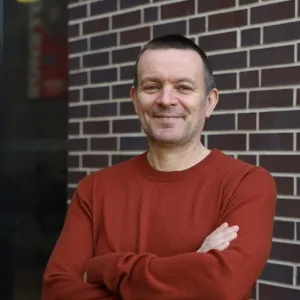
Chris Russill, Carleton University
Chris Russill is an Associate Professor in the School of Journalism and Communication at Carleton University and Academic Director at Re.Climate, a centre for climate communication and public engagement, both housed at Carleton University, Ottawa, Canada. His current work focuses on how climate communication has been transformed by changes to our information environment, and how communicators struggle with disinformation, crisis management, and public engagement as a result.