Keynote Speakers
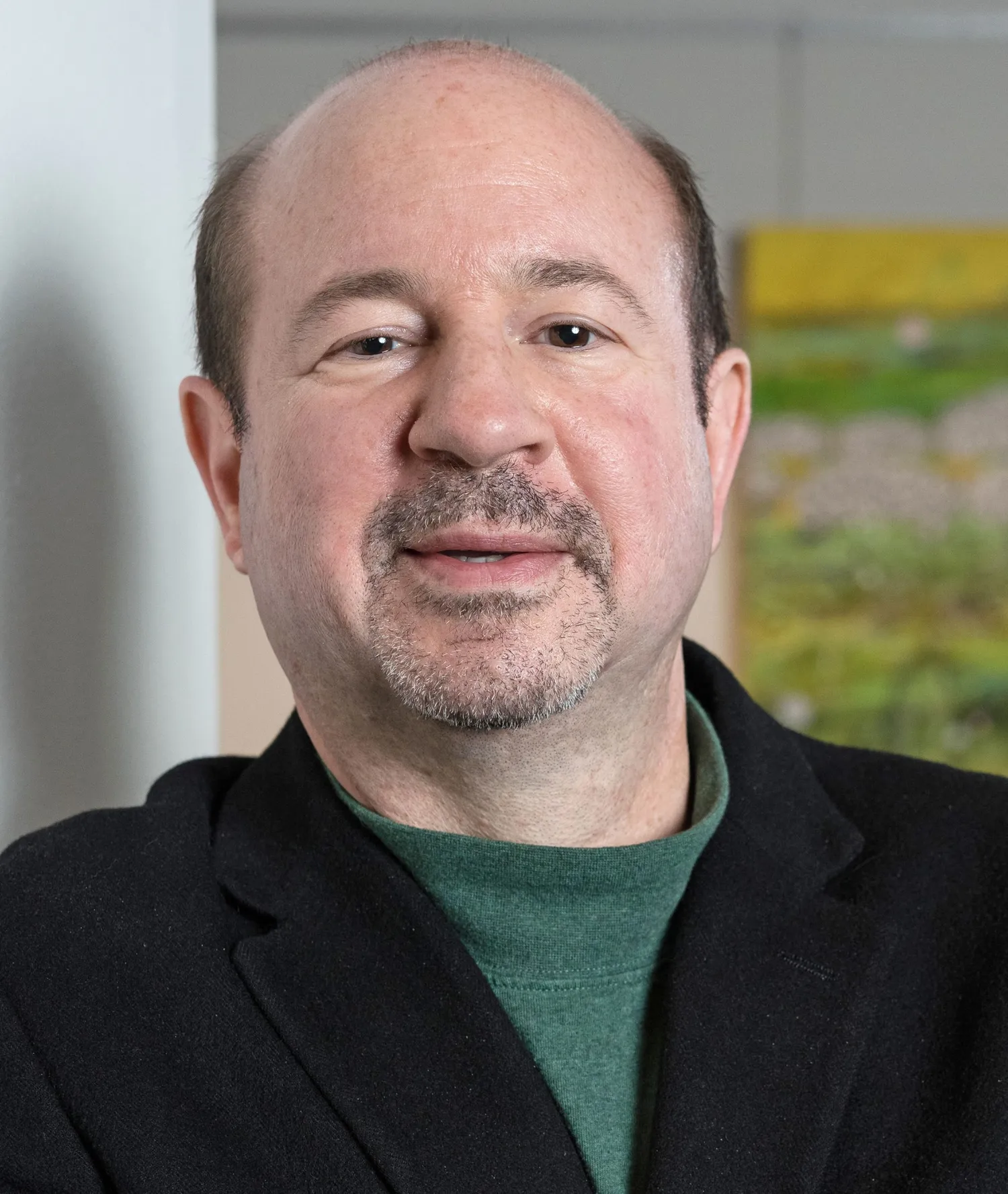
Dr. Michael Mann
Dr. Michael E. Mann is a prominent climate scientist and academic leader, currently serving as the Presidential Distinguished Professor in the Department of Earth and Environmental Science at the University of Pennsylvania. With a new book, Science Under Siege recently published, he also holds a secondary appointment at the Annenberg School for Communication and serves as Vice Provost for Climate Science, Policy, and Action. Additionally, he directs the Penn Center for Science, Sustainability, and the Media. Dr. Mann holds degrees in Physics, Applied Math, and Geology & Geophysics from UC Berkeley and Yale University. His research focuses on Earth's climate system and the implications of human-induced climate change.
In his lecture, Science Under Siege, Dr. Mann will explore his collaboration with public health expert Peter Hotez to expose the five major forces driving today’s anti-science movement—categorized into six “P”s: plutocrats, pros, politicians, polluters, petrostates, posers, pretenders, propagandists, and the press. Drawing on their frontline experiences confronting climate denial and COVID-19 misinformation, The lecture offers both a sobering warning and a strategic roadmap for countering the growing threat to science and reason—emphasizing that while the stakes are unprecedented, meaningful action is still possible.

Dr. John Kaiser
John Kaiser is a history professor at a college in Raleigh, North Carolina is known for his dynamic and engaging teaching style. Raised on Long Island, Kaiser grew up in a deeply conservative household where right-wing political commentary was a constant backdrop. As a college student at the University of North Carolina-Wilmington in the late 1990s, he became an active member of the Conservative Leadership Institute, promoting climate change denial and conservative ideology. His early activism included showing pro-CO₂ propaganda videos on campus, reflecting his strong ideological convictions at the time, but this was only temporary.
Dr. Kaiser's anti-climate convictions eventually changed with his ideological transformation beginning during his Ph.D. studies in history at the University of North Carolina-Greensboro, where exposure to broader historical and social perspectives gradually reshaped his worldview. Issues like gay marriage and the drug war prompted him to question his fundamentalist beliefs, eventually leading him to accept the scientific consensus on climate change. Now a vocal advocate for climate awareness, Kaiser openly shares his journey from denial to acceptance, motivated by a sense of responsibility for his past role in spreading misinformation. His story serves as a powerful example of personal growth and the importance of critical thinking in the face of ideological bias.