Climate Politics Panel
The Climate Con: Politics, Propaganda, and Public Trust
In an era defined by accelerating energy transitions, a deepening climate crisis, economic volatility, rapid technological change, and rising authoritarianism, climate disinformation has become an obstacle to effective policy responses. Yet, institutions, communities, and social movements are pushing back. This roundtable brings together leading experts to discuss the evolving landscape of climate disinformation. We will explore questions such as: how are disinformation narratives and campaigns undermining climate action? What strategies can counteract or pre-empt these efforts? How can we harness shared values to collectively build visions of the future? And how can we transform and strengthen institutions to build trust in the face of growing disinformation threats?
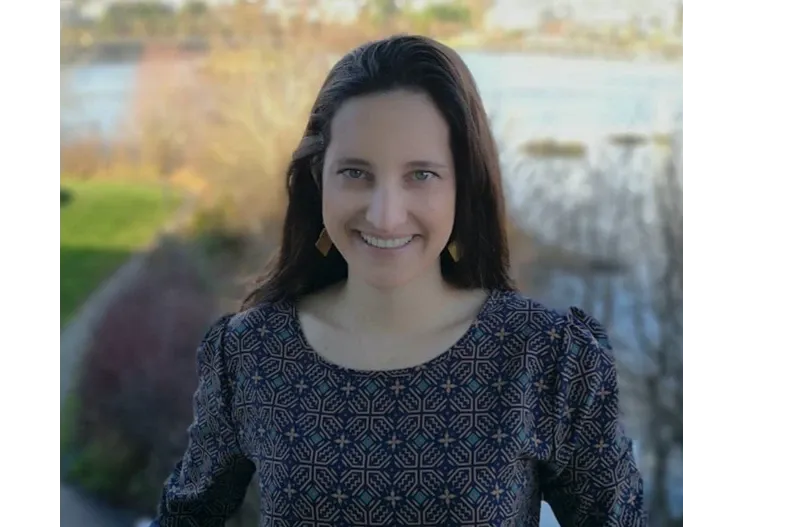
Professor Amy Janzwood McGill University: Moderator
Amy Janzwood is an assistant professor in the Department of Political Science and the Bieler School of the Environment at McGill University. Her research focuses on the comparative politics of energy and the environment, with particular emphasis on the political economy of energy transitions, the contested politics surrounding fossil fuel production, and the development of pathways toward more just and sustainable energy systems.
She serves as chair of the Steering Committee for the Women & Inclusivity in Sustainable Energy Research (WISER) network, sits on the Board of Directors of the Canadian Political Science Association (CPSA), is an associate editor of the Earth System Governance journal, and is a member of the Climate Social Science Network (CSSN). Professor Janzwood holds a PhD in Political Science and Environmental Studies from the University of Toronto and a Master of Arts in Global Governance from the Balsillie School of International Affairs.
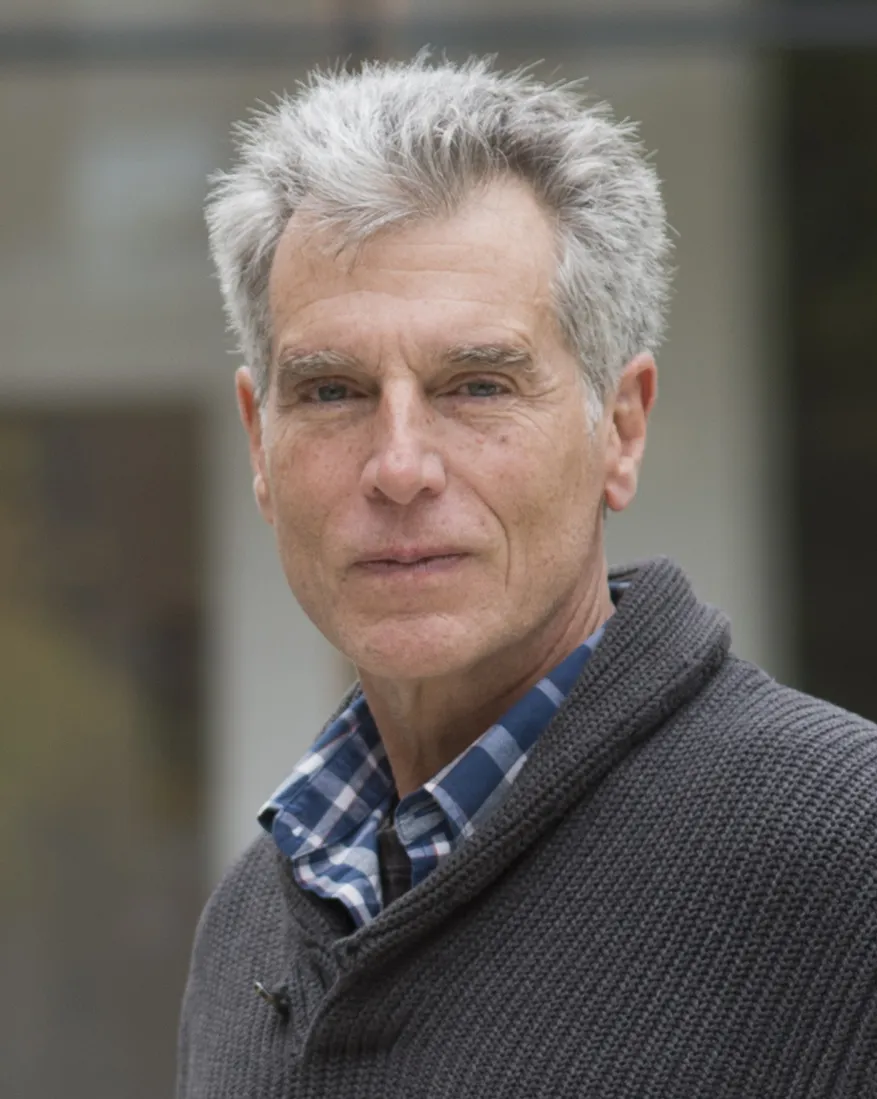
Dr. Thomas Homer-Dixon - Cascade Institute
Thomas Homer-Dixon is founder and Executive Director of the Cascade Institute. Born in Victoria, British Columbia, he received his BA in political science from Carleton University and, in 1989, his PhD from the Massachusetts Institute of Technology in international relations, defence policy, and conflict theory. For nearly two decades, he directed the Centre for Peace and Conflict Studies at the University of Toronto; in 2008 he joined the faculty at the University of Waterloo, where he founded the Waterloo Institute for Complexity and Innovation. He retired from his faculty position as a University Research Chair in 2021.
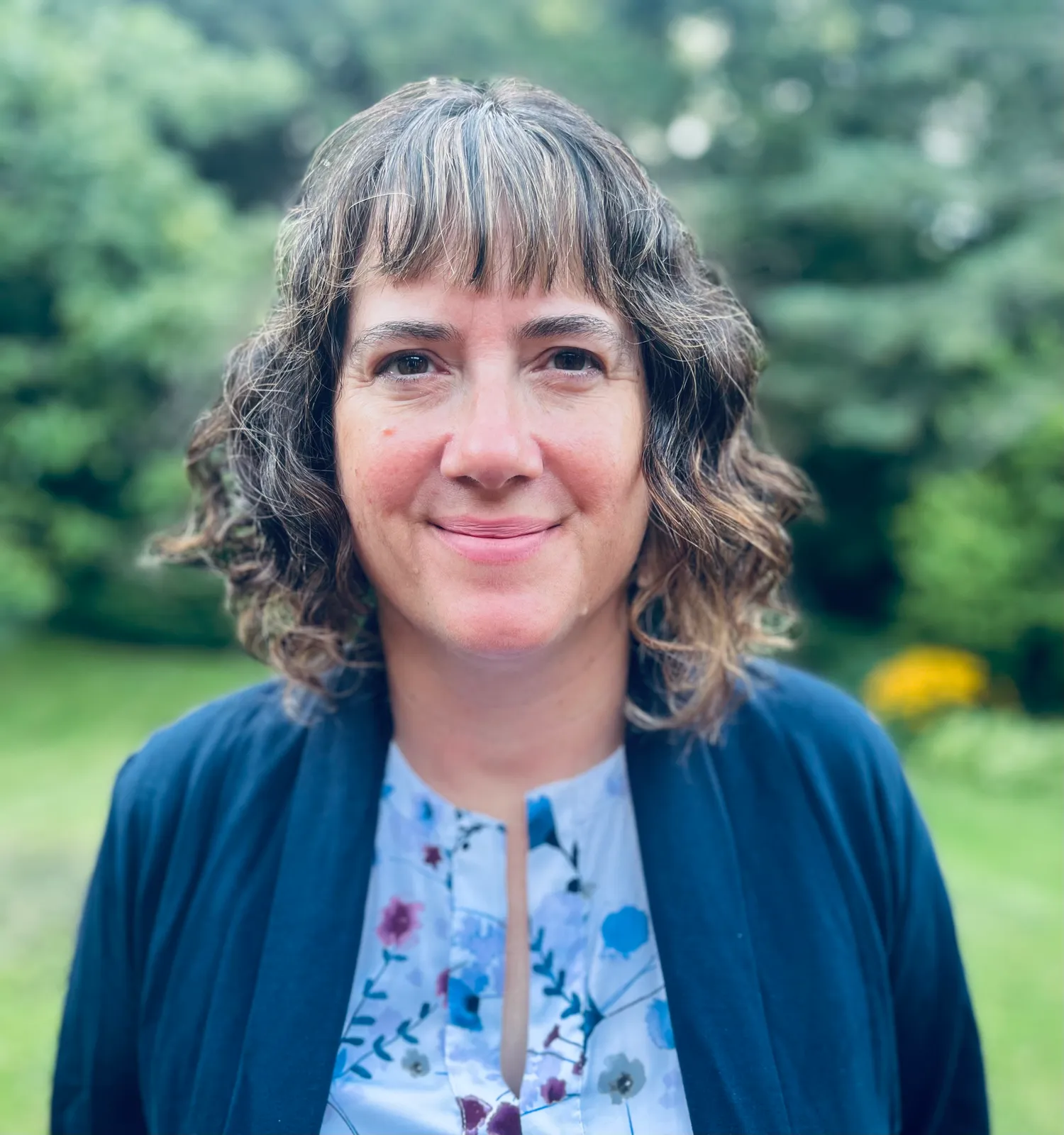
Dr. Heather Millar - University of New Brunswick
Heather Millar is an Associate Professor in the Department of Political Science at the University of New Brunswick. Her research examines Canadian provincial energy and climate politics and has been published in journals such as Energy Research and Social Sciences, Environmental Politics, and Policy Sciences. Her book, Fracking Uncertainty (UTP, 2024), examines risk narratives in provincial hydraulic fracturing regulation in Canada and was selected for an Honourable Mention for the 2025 Seymour Martin Lipset Best Book Award by the American Political Science Association Section for Canadian Politics. Professor Millar is a member of the Canadian Climate Policy Partnership (C2P2), the Climate Social Science Network and has served on the Board of Directors of the Canadian Political Science Association. She holds a PhD in political science from the University of Toronto and a MPP and BA from Simon Fraser University. Prior to her graduate studies she worked in the Canadian non-profit sector on a range of housing, environmental, and international development issues.
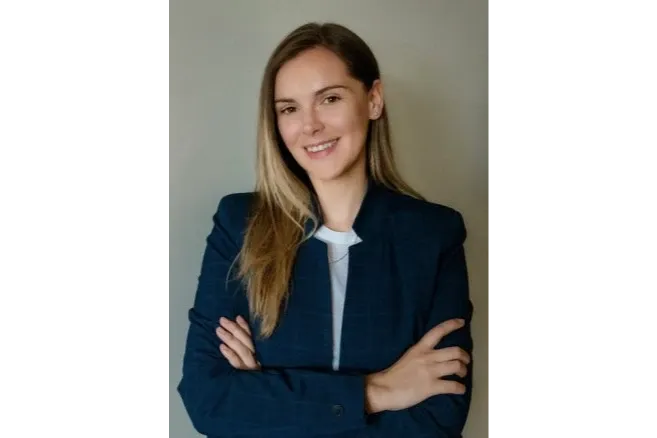
Sonja Solomun - McGill University, Max Bell School of Public Policy
Sonja Solomun is an Assistant Professor (Research) at the Max Bell School of Public Policy at McGill University, and the Deputy Director of the Centre for Media, Technology and Democracy. She works on digital tech policy, climate justice and the environmental implications of AI and platforms.