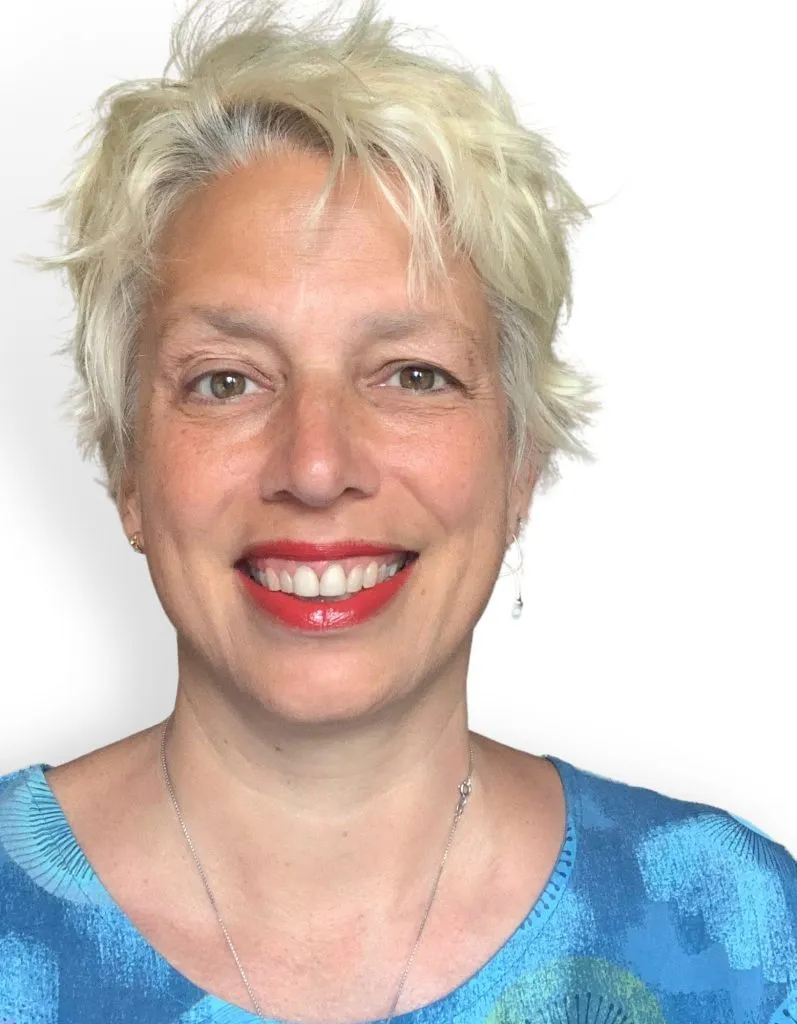
Ibukun Abejirinde

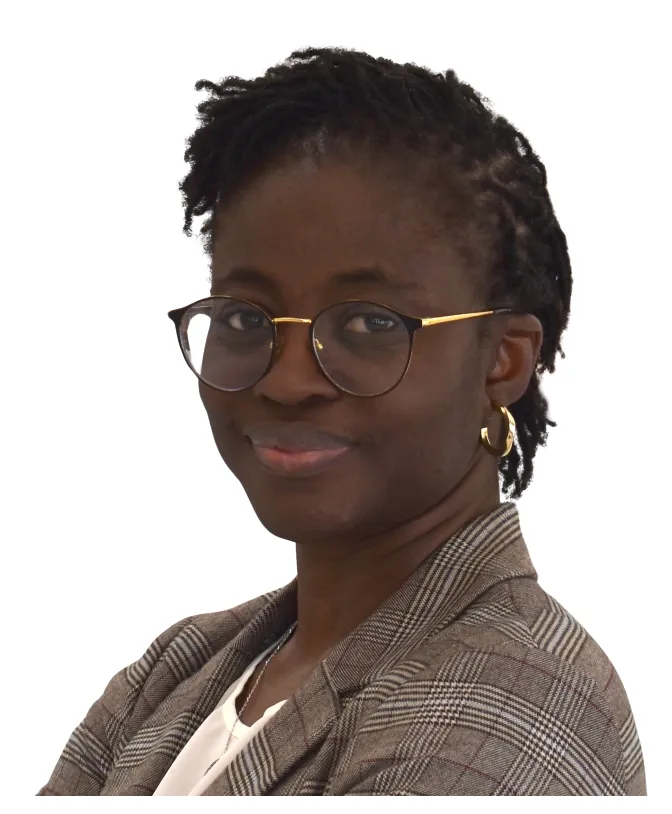
Ibukun Abejirinde is a Scientist at the Institute for Better Health, Trillium Health Partners, and an Assistant Professor (status) at the Dalla Lana School of Public Health, University of Toronto. She conducts applied research to understand and address complex problems in healthcare through innovation, research, and collaboration, with a specific focus on translating health equity at a systems level. Within the context of accelerated shifts towards a digitally driven health care ecosystem, her research considers the intersections of technology and health inequities and its implications for how patients and caregivers experience and access quality healthcare. A trained Physician, her ethos is collaborative- working closely with policymakers, patients, community organizations, and researchers from diverse disciplines. Dr. Abejirinde has extensive implementation and evaluation research experience in various regions, including Sub-Saharan Africa, Eastern Europe, and South Asia. She is co-lead of the digital health equity hub of the International Collaborative for Translational Digital Health- a trilateral partnership between the University of Toronto, University of Manchester and University of Melbourne. Dr. Abejirinde is a 2022 AMS Healthcare Fellow in Compassion and Artificial Intelligence and a Network Solution Member on the AI for Diabetes Prediction & Prevention project which aims to ethically deploy Artificial Intelligence (AI) models for the prediction and prevention of Type 2 Diabetes in Peel Region, Ontario.

Amélie Quesnel-Vallée

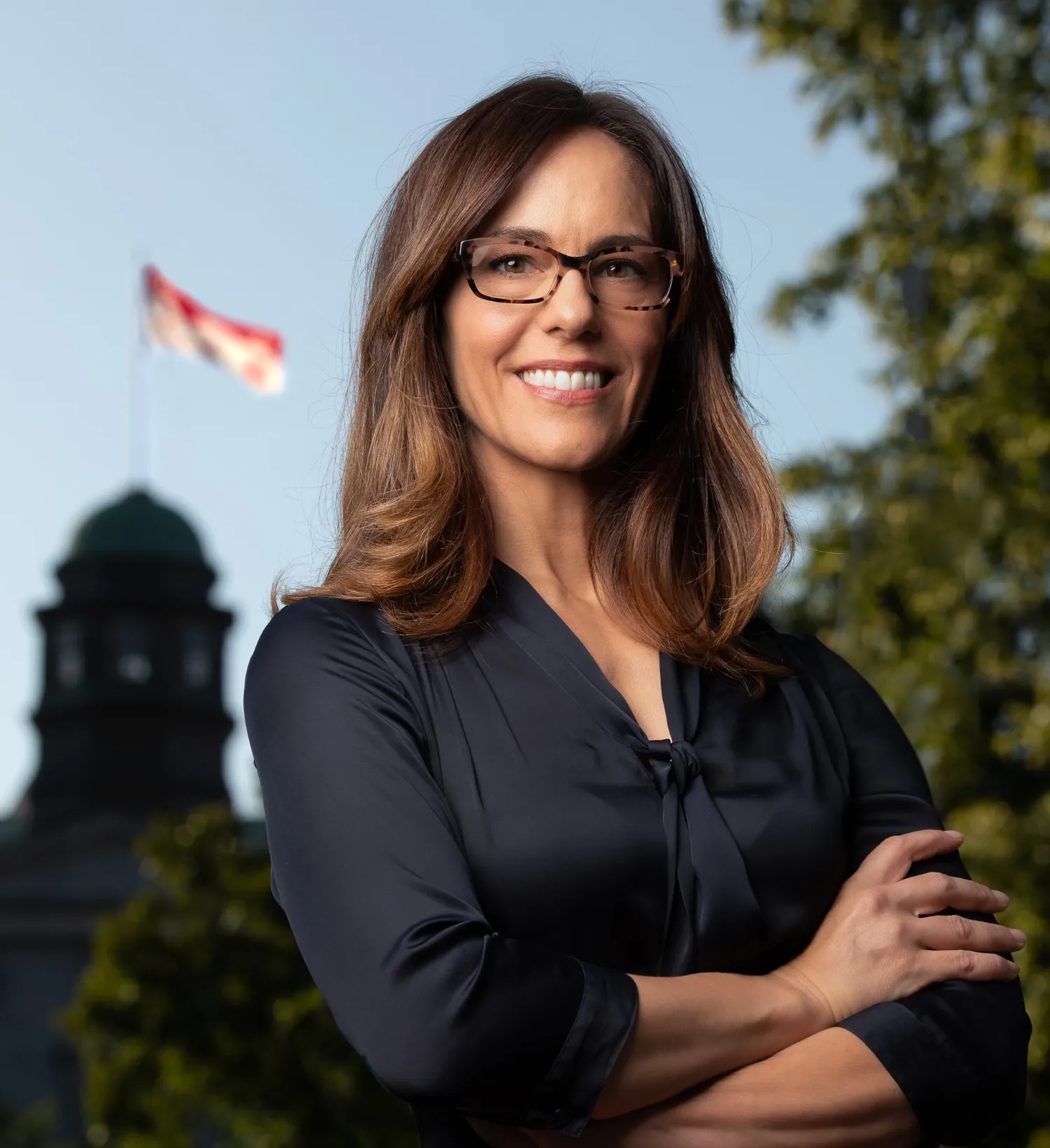
Amélie Quesnel-Vallée holds the Canada Research Chair in Policies and Health Inequalities at McGill University, where she is Inaugural Chair and Professor in the Department of Equity, Ethics and Policy (Faculty of Medicine and Health Sciences) and a Professor in the Department of Sociology (Faculty of Arts). She is the founding Director of the McGill Observatory on Health and Social Services Reforms and a founding member of the McGill Center on Population Dynamics. Finally, she also founded and is Executive Director of CAnD3 (https://mcgill.ca/cand3/), an international consortium of 38 academic, government, private and non-profit organizations delivering training in support of evidence-based decision making.

Quesnel-Vallée’s research examines the contribution of policies to social inequalities in health over the life course and has been recognized through awards from professional associations including the American Sociological Association, the Population Association of America, and the American Public Health Association. She is a two-time Fulbright Foundation awardee, most recently of a Distinguished Chair (2020). She is a Past-President of the Canadian Population Society and of the International Sociological Association’s Research Committee on the Sociology of Health. She has demonstrated experience in providing strategic advice to several complex organizations, notably the Canadian Institutes of Health Research, where she served as a board member for six years, and held leadership roles such as the inaugural Chair of the Standing Committee on Science (2022-2024) and as a Member of the Executive Committee (2021-2024). Committed to furthering public understanding of science, Quesnel-Vallée is frequently sought by media outlets such as National Public Radio, the New York Times and Business Week.

Justin Rautenberg

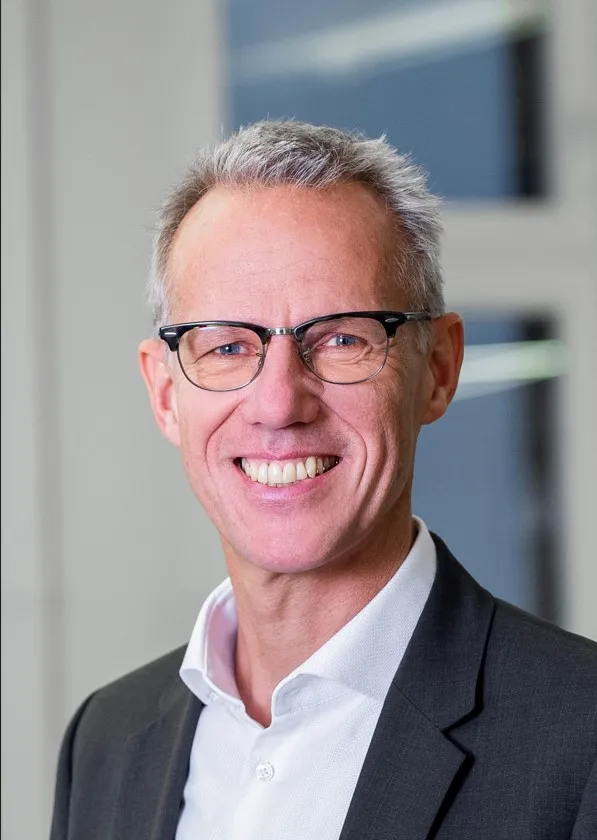
Justin Rautenberg, Senior Manager Integrated Care, OptiMedis AG

Justin Rautenberg holds a degree in business administration and has been with OptiMedis since 2018. He has a strong consulting background and has also worked as interim CIO for a regional hospital association. Over the past 25 years working in the healthcare field he has built an in-depth knowledge of integrated care and population health management, including data driven and value based care concepts. In his role as Senior Manager at OptiMedis he is focusing on building outcome oriented and patient centric care solutions. Among others, he is currently responsible for the operations of the in 2021 founded regional Healthcare-Network Gesunder Schwalm-Eder-Kreis+ GmbH as well as the just recently founded WAT gesund gGmbH, an innovative Health-Kiosk located in Bochum Wattenscheid.

Paul van der Nat

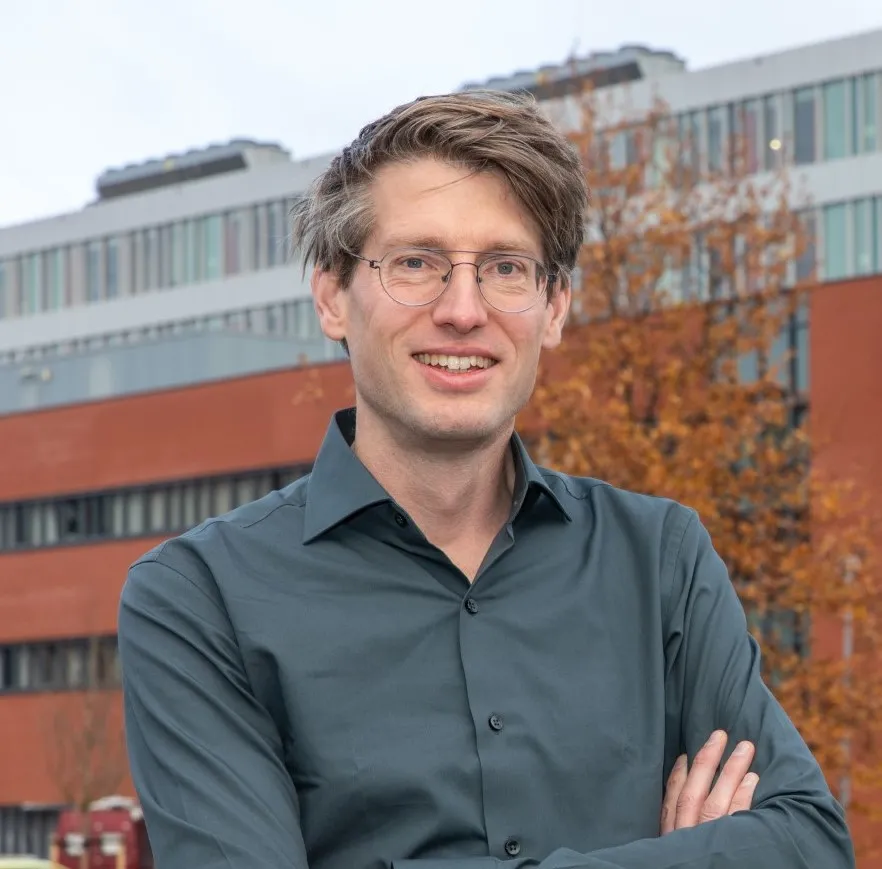
Paul is professor of value-based healthcare at IQ healthcare (Radboudumc), manager value-based healthcare at St. Antonius Hospital, and research development manager at Santeon. Paul is working on VBHC implementation and research in local, national, and international initiatives since 2013. His current research focuses on condition-based organization of hospitals, change management requires in the implementation of value-based healthcare and patient participation within multidisciplinary value improvement teams.  Paul was installed as professor in 2022 and gave his inaugural lecture ‘from amazement to improvement’ in 2023.  Paul was strategy consultant at The Decision Group in 2008-2011 and he holds a PhD for his work at the National Institute for Subatomic Physics (NIKHEF, Amsterdam).

Catherine Wilhelmy, Patient Partner

Co-Director of Experiences — Quebec Community of Patients, Caregivers, and Citizen Partners of the Quebec SSA Support Unit. Co-Chair of the Strategic Patient Partner Committee of the CHUS Research Center. Patient Partnership Lead for the CHUS Research Center. Co-Scientific Direction of Quebec SPOR Unit to the Learning Health System.

Confronted with the serious illnesses of her parents from an early age, Catherine quickly learned the critical role of caregivers in illness and end-of-life care. Later, other loved ones, including her spouse, faced cancer. Parallelly, she experienced the joy of becoming a biological as well as adoptive mother and later, grandmother. In 2018, it became her turn to face the reality of a cancer diagnosis with a grim prognosis. During this challenging time, an idea to improve the healthcare system led her to discover the field of patient partnership.

Since then, Catherine has embraced her role as a patient partner within the healthcare system. Her involvement spans research, oncology care and services, teaching future clinicians, public outreach, and governance — all with the goal of amplifying the voice of experiential knowledge at every level and across all domains of healthcare. For her, this represents a genuine pathway to creating value in a system that urgently needs care and attention itself.

Powered by
Run your next event
with Fourwaves